
Films
3 films
About Sergei Vecheslov
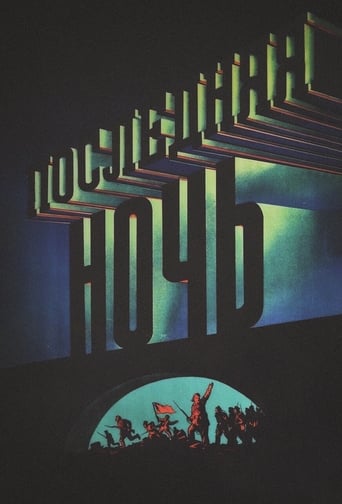
Sergei Vecheslov performed in films during the mid-1930s, a period when Soviet cinema was establishing itself as a powerful artistic medium under Stalin's regime. His brief but notable film career included roles in 'Loss of Feeling' (1935) and 'The Last Night' (1936), both films that reflected the social and political themes prevalent in Soviet cinema of the era. Vecheslov's performances came during a transformative time for Russian film, transitioning from silent pictures to sound cinema. His work, though limited in quantity, contributed to the growing body of Soviet dramatic cinema that emphasized socialist realism and collective human experiences. Sergei Vecheslov's career appears to have been concentrated primarily in the mid-1930s, coinciding with the height of Stalinist cultural policies that heavily influenced artistic production. While detailed records of his complete filmography and personal life remain scarce, his documented roles suggest he was part of the ensemble cast system that characterized Soviet filmmaking during this period.
The Craft
Milestones
- Appeared in 'Loss of Feeling' (1935)
- Starred in 'The Last Night' (1936)
Best Known For
Iconic Roles
Must-See Films
Working Relationships
Studios
Why They Matter
Impact on Culture
Sergei Vecheslov's contribution to Soviet cinema, while brief, represents the broader landscape of ensemble acting during the Stalinist era. His participation in films of the mid-1930s places him within a crucial period of Soviet film history when the industry was consolidating its artistic and political identity. The films he appeared in, like many productions of this period, served as vehicles for socialist realist themes and collective values that were central to Soviet cultural policy. Though not a major star, his work exemplifies the collaborative nature of Soviet filmmaking, where character actors played essential roles in creating the cinematic narratives that defined the era.
Lasting Legacy
Sergei Vecheslov's legacy is primarily preserved through his documented appearances in two significant Soviet films from the mid-1930s. While he may not have achieved the lasting fame of contemporaries like Nikolai Cherkasov or Boris Babochkin, his work contributes to our understanding of the ensemble acting traditions that characterized Soviet cinema during this period. His filmography shows the many talented performers who supported the Soviet film industry's golden age, even if their individual stories have been largely lost to time. The preservation of his films ensures that his performances remain part of the historical record of Soviet cinematic achievement.
Who They Inspired
Due to the limited scope of Sergei Vecheslov's documented career and the scarcity of biographical information, it is difficult to trace his direct influence on subsequent generations of Soviet actors. However, like many performers of his era, his work would have contributed to the development of acting techniques and approaches that were passed down through Soviet theatrical and cinematic traditions. His participation in state-sponsored productions during the 1930s places him within the broader continuum of Soviet artistic development that would influence filmmakers and actors for decades to come.
Off Screen
Very little documented information exists about Sergei Vecheslov's personal life, which was not uncommon for character actors in Soviet cinema during the 1930s. Many performers from this era had limited biographical records preserved, particularly those who were not leading stars or major cultural figures.
Did You Know?
- Sergei Vecheslov's entire known filmography consists of only two films from 1935-1936
- His career coincided with the height of Stalinist cultural policies in Soviet cinema
- Both of his documented films were produced during the transition period from silent to sound cinema in the USSR
- Like many Soviet character actors of the 1930s, detailed biographical information about him is scarce
- His films were produced during a time when Soviet cinema was heavily promoting socialist realism
- The mid-1930s was a period of intense state control over artistic production in the Soviet Union
- Very few personal details about Vecheslov have survived in historical records
- His brief active years covered a crucial period in Soviet film history when the industry was consolidating its identity
Frequently Asked Questions
Who was Sergei Vecheslov?
Soviet with credits in this catalog. His career, though brief, placed him within the important period of Soviet cinema's development during Stalin's era.
What films is Sergei Vecheslov best known for?
Titles linked here include Loss of Feeling (1935), The Last Night (1936).
When was Sergei Vecheslov born and when did he die?
Unfortunately, detailed biographical information about Sergei Vecheslov's birth and death dates is not available in historical records, which was not uncommon for character actors in Soviet cinema of the 1930s.
What awards did Sergei Vecheslov win?
There are no documented awards or nominations for Sergei Vecheslov in available historical records, which was typical for many supporting actors in Soviet cinema during his brief career period.
What was Sergei Vecheslov's acting style?
Specific details about Vecheslov's acting style are not well-documented, but as a Soviet actor in the 1930s, he likely worked within the socialist realist tradition that dominated Soviet cinema of the era, emphasizing collective values and social themes.
Why is there so little information about Sergei Vecheslov?
The scarcity of information about Vecheslov reflects the broader challenge of documenting the lives of character actors in Soviet cinema, particularly from the Stalinist era when many personal records were not preserved and emphasis was placed on collective rather than individual achievement.