
Loss of Feeling
"Assembly-line robots turn from workers to weapons."
Keys: Space play/pause · ←/→ 10s · F fullscreen · M mute · </> speed
About this film
In an unnamed English-speaking capitalist land, a young engineer invents inexhaustible giant robots to replace the fragile human workers on high-volume assembly-lines, and soon finds his invention co-opted by the military-industrial complex.
Cast & crew
More films like this
More Fantasy films
View all →





More about this film
About the production
Release date1935
Box officeUnknown - Soviet films of this period were not tracked by box office in the modern sense
ProductionGoskino, Mosfilm Studio
Filmed inMoscow, Soviet Union
The film featured elaborate mechanical robot costumes and props that were remarkably sophisticated for 1935. The production team built full-scale robot models that could move mechanically, representing some of the most ambitious special effects work in Soviet cinema at the time. The factory sequences were filmed in actual industrial plants to achieve maximum authenticity.
Themes
Automation and laborMilitary-industrial complexTechnology and humanityCapitalist exploitationScientific responsibility
Themes & topics
robotsinventorfactoryautomationmilitaryscience fictionsocial commentarycapitalismindustrializationmechanization
Historical background
Loss of Feeling (1935) reached screens through Goskino. Exhibitors of the time built studio-era schedules that mixed shorts, features, and live acts, so a clear premise helped Loss of Feeling travel between cities and exchange markets.
Why this film matters
Archivists and revival programmers still cite Loss of Feeling (1935) when tracing studio habits, casting pools, and the visual rhetoric audiences once took for granted. Even modest surviving prints help map how Loss of Feeling fit beside competing releases of its day.
Making of
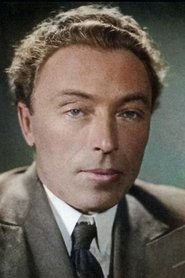
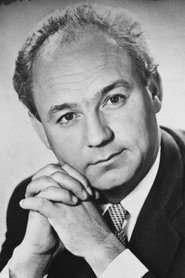
The production faced significant challenges in creating the robot effects, as the Soviet film industry had limited experience with science fiction elements. Director Andriyevsky consulted with engineers and factory workers to ensure the industrial sequences felt authentic. The cast, particularly Sergei Vecheslov who played the idealistic engineer, spent time studying real engineers to understand their mindset. The film's critique of automation reflected genuine debates within Soviet society about the role of technology in building socialism, with some party officials concerned the film's message was too critical of industrial progress.
What critics said
Trade coverage around 1935 discussed Loss of Feeling for pacing, clarity, and program fit rather than blockbuster grosses. Later writers value it as evidence of period style and as a reference point beside other films from the same era.
Did you know?
- This was one of the earliest Soviet science fiction films to explicitly critique capitalism and automation
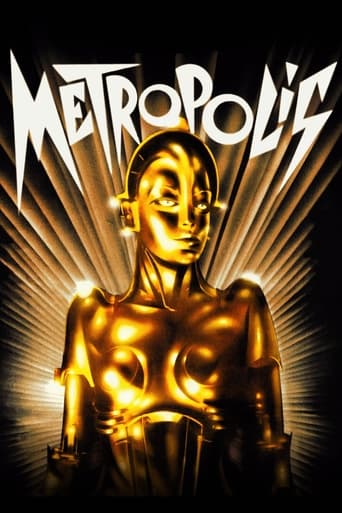
- The robot designs were influenced by Fritz Lang's 'Metropolis' (1927) but given a distinctly Soviet ideological interpretation
- The film was briefly banned in 1937 during Stalin's purges for being 'too pessimistic' about technological progress
- Director Aleksandr Andriyevsky was primarily known for documentaries, making this one of his rare narrative features
- The English title 'Loss of Feeling' was a translation of the original Russian title 'Poterya chuvstv'
- The film featured one of the earliest depictions of what we would now call androids or humanoid robots in cinema
- Despite its Soviet origins, the film was set in an unnamed Western country to better critique capitalist systems
- The mechanical robot effects were achieved using a combination of actors in costumes and full-scale mechanical puppets
- The film's pessimistic view of automation was unusual for Soviet cinema of the 1930s, which typically celebrated technological progress
- Only partial prints of the film survive today, with some sequences existing only in still photographs
Awards & recognition
- None documented - the film's controversial reception likely prevented official recognition
Visual style
The cinematography by Grigory Giber featured dramatic contrasts between the cold, mechanical world of the factory and the few remaining human spaces. The film used innovative camera techniques to emphasize the scale of the robots, including low angles and forced perspective. The industrial sequences employed documentary-style realism, reflecting Andriyevsky's background in non-fiction filmmaking. The visual style incorporated elements of German Expressionism, particularly in the robot sequences, while maintaining the socialist realist aesthetic required for Soviet productions of the era.
Innovations
The film's most significant technical achievement was its creation of convincing robot effects using 1930s technology. The production team developed innovative mechanical puppetry techniques that allowed for complex robot movements. The factory sequences featured elaborate miniature models combined with full-scale sets to create a sense of industrial scale. The film pioneered certain editing techniques for action sequences involving mechanical characters. The sound design created distinctive audio signatures for the robots that enhanced their mechanical nature. These technical innovations represented some of the most ambitious special effects work in Soviet cinema of the period.
Music
The musical score was composed by Dmitri Kabalevsky, who would later become one of the Soviet Union's most prominent composers. The music incorporated industrial sounds and mechanical rhythms to reinforce the film's themes. The soundtrack used leitmotifs to distinguish between human and machine elements, with the robot sequences featuring dissonant, mechanical-sounding orchestration. The film's limited sound technology of the era presented challenges in creating convincing mechanical sound effects, which were achieved through creative use of everyday objects and musical instruments.
Famous quotes
I built these machines to free men from labor, not to build instruments of their destruction.
The perfect worker feels no pain, asks no questions, and needs no rest. But is that what we want humanity to become?
In their quest for efficiency, they have forgotten that machines should serve men, not replace them.
Memorable scenes
- The unveiling sequence where the giant robots are first demonstrated to factory executives, featuring impressive special effects and dramatic cinematography that emphasizes their imposing scale and mechanical nature
What audiences thought
Initial Soviet audiences responded positively to the film's spectacular robot sequences and factory settings, though some found its critique of automation confusing given the official celebration of industrial progress. The film's limited release and subsequent banning meant it never achieved wide popular recognition. Modern audiences who have seen the surviving fragments are often struck by how contemporary its themes feel, particularly its concerns about automation and military applications of technology. The film has developed a cult following among enthusiasts of early science fiction and Soviet cinema.
Film connections
Influenced by
- Metropolis (1927)
- Brave New World by Aldous Huxley
- Soviet industrial documentaries of the 1930s
- German Expressionist cinema
This film influenced
- The Mechanical Monsters (1941)
- Soviet science fiction films of the 1960s
- Modern films about AI and automation
Film restoration
Partially preserved - only fragments of the film survive, with some sequences known only through still photographs and production documents. The complete original version is considered lost, though restoration efforts continue using existing fragments and contemporary accounts.
Where to watch
- Available in incomplete form through some film archives and specialized Soviet cinema collections
- Occasionally screened at classic film festivals and retrospectives
- Some fragments may be accessible through academic film databases