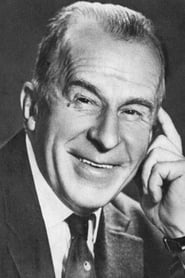
Sergei Martinson
Actor
Born: February 6, 1899 in Saint Petersburg, Russian Empire Died: September 20, 1984 Active: 1924-1979 Birth Name: Sergei Alexandrovich Martinson
Films
14 films

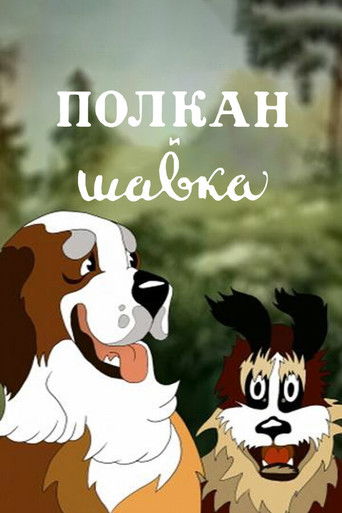
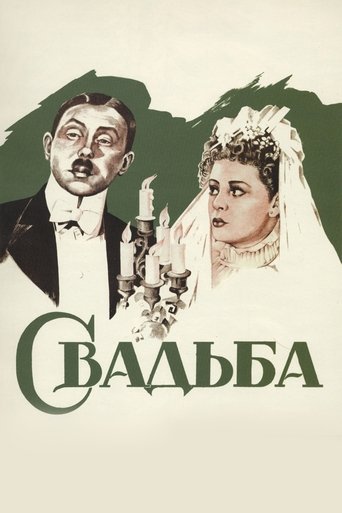
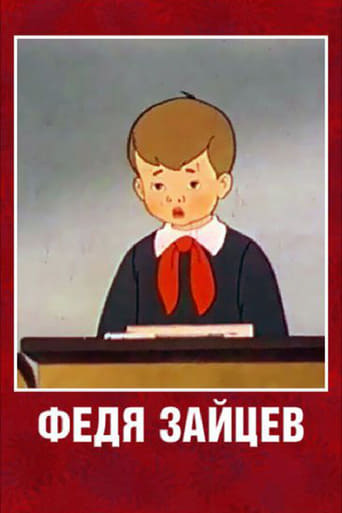
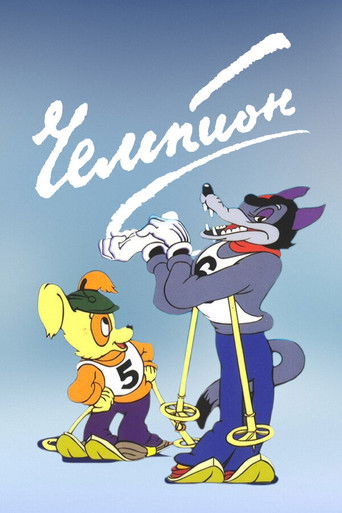
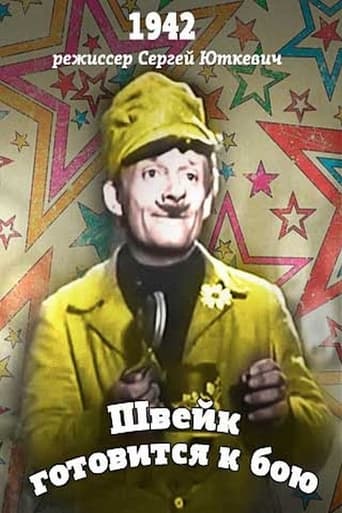
About Sergei Martinson
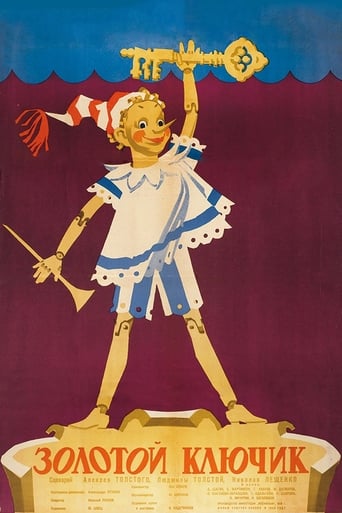
Sergei Alexandrovich Martinson — celebrated Soviet actor renowned for his comedic talents and distinctive character portrayals in Russian cinema. Born into a Swedish family in Saint Petersburg, he began his career on the stage before transitioning to film during the silent era. Martinson became particularly famous for his work in comedy films, often playing eccentric, memorable characters that endeared him to Soviet audiences. His breakthrough came in the 1930s with roles in films like 'Marionettes' (1934) and 'The Golden Key' (1939), where his unique comedic timing and physical comedy skills shone. Throughout his career, he appeared in over 80 films, becoming recognizable character actors in Soviet cinema. Despite facing some political challenges during the Stalin era, Martinson continued working and eventually earned the title of People's Artist of the RSFSR in 1964. His five decades, from the silent era through the 1970s, leaving an indelible mark on Russian theatrical and cinematic traditions.
The Craft
On Screen
Martinson was known for his exuberant comedic style, characterized by exaggerated physical comedy, distinctive facial expressions, and a unique ability to transform into eccentric characters. His performances often featured rapid-fire delivery, slapstick elements, and a theatrical flair that translated well from his stage background to cinema. He had a particular talent for playing nervous, excitable characters with a touch of pathos beneath the comedy, creating memorable and multi-dimensional portrayals that resonated with Soviet audiences.
Milestones
- Film debut in silent era with 'The Tailor from Torzhok' (1925)
- Breakthrough role in 'Marionettes' (1934)
- Memorable performance in 'The Golden Key' (1939)
- Awarded title of People's Artist of the RSFSR (1964)
- Career spanning over 80 films across five decades
- Transition from silent films to talkies successfully
Best Known For
Iconic Roles
Must-See Films
Accolades
Won
- People's Artist of the RSFSR (1964)
- Order of the Red Banner of Labour (1974)
- Order of the Badge of Honour (1939)
Special Recognition
- Honored Artist of the RSFSR (1947)
- People's Artist of the RSFSR (1964)
- Order of the Red Banner of Labour (1974)
- Order of the Badge of Honour (1939)
Working Relationships
Worked Often With
Studios
Why They Matter
Impact on Culture
Sergei Martinson became an iconic figure in Soviet cinema, particularly in the comedy genre, where his distinctive style and memorable characters helped define Soviet comedic entertainment for decades. His portrayal of characters like Karabas-Barabas in 'The Golden Key' became cultural touchstones, with his interpretations being referenced and parodied throughout Russian popular culture. Martinson's ability to blend comedy with subtle emotional depth created a template for character actors in Soviet cinema, influencing how comedic roles were approached in subsequent generations of filmmakers.
Lasting Legacy
Martinson's legacy endures through his extensive filmography, which remains popular in Russia and former Soviet republics. His performances are frequently featured in film retrospectives and classic cinema showcases, introducing new generations to his unique comedic talents. The characters he created have become part of the cultural lexicon, with his particular style of physical comedy and character transformation being studied by acting students. His career represents.
Who They Inspired
Martinson influenced subsequent generations of Soviet and Russian comedic actors through his distinctive approach to character comedy, particularly his use of physical comedy and facial expressions. His work demonstrated how comedy could be used to explore social themes while remaining entertaining, a technique adopted by many later Soviet filmmakers. Actors like Andrei Mironov and Oleg Yankovsky drew inspiration from Martinson's ability to create memorable, eccentric characters that audiences could both laugh at and empathize with.
Off Screen
Martinson came from a Swedish family in Russia and maintained his cultural heritage throughout his life. He was married multiple times, with his most notable marriage being to actress Valentina Tokarskaya. His personal life was marked by the challenges faced by artists during the Stalin era, though he managed to maintain his career. He was known for his dedication to his craft and continued performing well into his later years, remaining active in both film and theater.
Education
Graduated from the Saint Petersburg Imperial School of Jurisprudence before pursuing acting career; later studied at theatrical workshops
Family
- Valentina Tokarskaya (actress, years unknown)
- Other spouses (details not widely documented)
Did You Know?
- Born into a Swedish family in Russia, maintaining dual cultural heritage
- Originally studied law before pursuing acting as a career
- His role as Karabas-Barabas in 'The Golden Key' became
- Continued acting well into his 70s, demonstrating remarkable longevity in his career
- Survived the political purges of the 1930s that affected many Soviet artists
- Was known for his incredible work ethic, often taking on multiple projects simultaneously
- His distinctive appearance and voice made him
- Appeared in both comedy and dramatic roles, showcasing his versatility as an actor
- Was particularly popular with children for his roles in fairy tale adaptations
- His stage background influenced his cinematic style, bringing theatrical elements to his film performances
In Their Own Words
Comedy is not just about making people laugh, it's about showing them the truth through laughter.
Every character, no matter how small, deserves to be treated with complete dedication and truth.
The stage and screen are not so different - both require the actor to find the soul of the character.
Frequently Asked Questions
Who was Sergei Martinson?
Celebrated Soviet with credits in this catalog. He became particularly famous for his work in comedy films and fairy tale adaptations, earning the title of People's Artist of the RSFSR for his contributions to Soviet cinema.
What films is Sergei Martinson best known for?
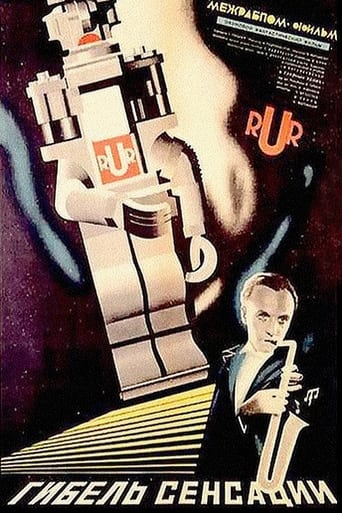
Titles linked here include Marionettes (1934), Loss of Feeling (1935).
When was Sergei Martinson born and when did he die?
Born February 6, 1899; died September 20, 1984.
What awards did Sergei Martinson win?
Martinson received several prestigious honors including the title of People's Artist of the RSFSR in 1964, Honored Artist of the RSFSR in 1947, the Order of the Red Banner of Labour in 1974, and the Order of the Badge of Honour in 1939 for his contributions to Soviet cinema and theater.
What was Sergei Martinson's acting style?
Martinson was known for his exuberant comedic style featuring exaggerated physical comedy, distinctive facial expressions, and rapid-fire delivery. He excelled at playing eccentric, nervous characters with both comedic elements and underlying pathos, bringing theatrical flair from his stage background to his film performances.
What was Sergei Martinson's cultural impact?
Martinson became an iconic figure in Soviet comedy, creating memorable characters that became cultural touchstones. His work influenced generations of Soviet actors and helped define the approach to comedic cinema in the USSR, with his characters remaining part of Russian popular culture decades after his death.
Did Sergei Martinson work in both silent films and talkies?
Yes, Martinson successfully transitioned from silent films to talkies, beginning his career in the mid-1920s during the silent era and continuing successfully through the introduction of sound. His ability to adapt his theatrical style to both mediums demonstrated his versatility and contributed to his long-lasting career.
What was Martinson's heritage?
Sergei Martinson was born into a Swedish family in Saint Petersburg, maintaining his Swedish cultural heritage while becoming a prominent figure in Soviet cinema. This dual cultural background was somewhat unusual among Soviet actors of his generation.