

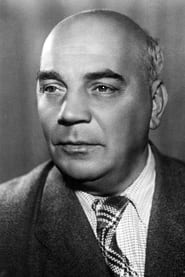
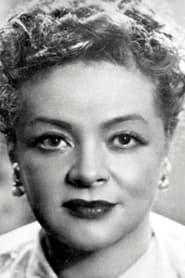


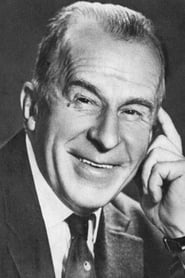
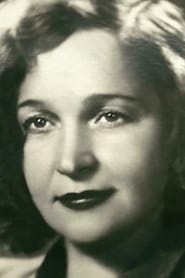


Wedding
"According to the eponymous vaudeville by A"
Keys: Space play/pause · ←/→ 10s · F fullscreen · M mute · </> speed
About this film
According to the eponymous vaudeville by A.P. Chekhov. Petty bourgeois Zhigalovs, whose daughter-in-law Dasha is being extradited, find out to their horror that the official Aplombov, who has been caring for Dasha all summer, has dined every day with them and has proved himself to be his bridegroom, is not going to marry at all.
Cast & crew
More Comedy films
View all →






More from Isidor Annensky
View all →
More about this film
About the production
Release dateDecember 26, 1944
ProductionGoskino, Mosfilm Studio
Filmed inMoscow, Soviet Union
Filmed during the height of World War II in 1944, this production faced significant challenges including resource shortages and the evacuation of many film personnel. Director Isidor Annensky was known for his adaptations of classical Russian literature and brought particular attention to preserving Chekhov's satirical tone. The picture was shot in black and white on limited film stock, as wartime rationing affected all Soviet film productions. Despite the difficult circumstances, the cast delivered memorable performances that captured the essence of Chekhov's social commentary.
Themes
Social satireBourgeois pretensionsMaterialismSocial climbingMarriage as social transaction
Themes & topics
Historical background
By 1944, Goskino was supplying Soviet Union theaters with titles like Wedding, part of the broader expansion of filmed entertainment into working-class districts and small towns.
Why this film matters
Programmers and historians revisit Wedding (1944) because its story—according to the eponymous vaudeville by a—illustrates popular narrative habits and production norms of the period.
Making of
The making of 'Wedding' during World War II presented extraordinary challenges for the cast and crew. Many film studios had been evacuated to Central Asia, and resources were severely rationed for the war effort. Director Isidor Annensky had to work with limited film stock and basic equipment, yet managed to create a visually rich period piece. The cast, including the Faina Ranevskaya, brought extensive theatrical experience to their roles, having performed in Chekhov's works on stage. Ranevskaya in particular was known for her improvisational skills and would sometimes add her own touches to the dialogue, which Annensky encouraged when they served the story. The production team faced difficulties sourcing period-appropriate costumes and props during wartime shortages, often having to borrow items from museums and theaters. Despite these constraints, the picture was completed and released in late 1944, offering audiences a temporary escape from the harsh realities of war through Chekhov's timeless satire.
What critics said
English-language trade reviews of Wedding are limited for 1944. Where notices survive, they stress pacing and photographic clarity; later criticism values the title as archival evidence of studio style.
Did you know?
- Faina Ranevskaya, who plays the mother, was widely praised actresses in Soviet theater and cinema, known for her sharp wit and memorable one-liners.
- the picture was released while World War II was still raging, providing Soviet audiences with much-needed comic relief during difficult times.
- Director Isidor Annensky was particularly known for his adaptations of classical Russian works, having previously directed versions of Gogol and Ostrovsky plays.
- Chekhov's original one-act play was written in 1889 and was considered quite scandalous for its time due to its critique of bourgeois society.
- the picture's title in Russian is 'Свадьба' (Svadba), which literally translates to 'Wedding'.
- Aleksei Gribov, who plays the father, was a distinguished actor at the Moscow Art Theatre, the very theater where Chekhov's plays had premiered decades earlier.
- The production maintained much of Chekhov's original dialogue, preserving the author's distinctive voice and satirical edge.
- Despite being made during wartime, the picture features elaborate costumes and sets to accurately depict late 19th-century Russian provincial life.
- the picture was one of the few comedies produced in the Soviet Union during 1944, as most productions focused on war themes.
- Zoya Fyodorova, who plays Dasha, would later face political persecution and was imprisoned in the Gulag system in the 1940s.
Visual style
The black and white cinematography by Vladimir Nikolaev employs classic Soviet realist techniques while maintaining the theatrical origins of the source material. The camera work emphasizes the claustrophobic nature of the Zhigalov household, using medium shots that capture the characters' reactions and the crowded nature of their social gatherings. Lighting techniques create dramatic contrasts that highlight the artificiality of the social situations, particularly in the wedding preparation scenes. the picture preserves much of the theatrical staging of Chekhov's play, with longer takes that allow the actors to deliver their dialogue without interruption. Despite wartime limitations on film stock and equipment, the cinematography achieves a polished look that effectively evokes the late 19th-century setting. The visual style balances the need for period authenticity with the practical constraints of wartime production, using simple but effective composition to tell the story.
Innovations
Given the wartime production constraints, the picture represents a significant technical achievement in maintaining high production standards despite limited resources. The art direction successfully recreates late 19th-century Russian provincial life using available materials and creative solutions to wartime shortages. The sound recording quality is notably clear for the period, ensuring that Chekhov's dialogue remains intelligible and impactful. the picture's editing maintains a good pace despite the theatrical origins of the source material, effectively translating stage timing to cinematic rhythm. Costume design, while limited by wartime material restrictions, successfully evokes the period through careful selection and modification of available garments. The production demonstrated that Soviet cinema could maintain artistic quality even under the most difficult circumstances, setting a standard for wartime filmmaking.
Music
The musical score was composed by Vano Muradeli, a prominent Soviet composer who worked on numerous films during the 1940s. The soundtrack incorporates elements of Russian folk music and classical themes appropriate to the late 19th-century setting, while maintaining the satirical tone of the story. Muradeli's music enhances the comedic moments without overwhelming the dialogue, using light, playful motifs during scenes of social pretension. The score also includes waltzes and dance music that would have been typical of Russian provincial weddings of the period. Sound design in the picture emphasizes the crowded, noisy atmosphere of the Zhigalov household, with background chatter and clattering dishes that create a sense of chaotic domesticity. The musical elements support rather than dominate the narrative, allowing Chekhov's dialogue and the actors' performances to remain the focus.
Famous quotes
A wedding without a groom is like a funeral without a corpse - merely a social gathering with no purpose.
We have fed him all summer like a prize pig, and now he refuses to be slaughtered for our social benefit.
In provincial society, reputation is everything, and reality is merely an inconvenience.
My daughter will not be left at the altar, even if we must drag the groom there by his ears!
Social standing is maintained not by who you are, but by who others think you have married.
Memorable scenes
- The chaotic breakfast scene where the family desperately tries to convince Aplombov to go through with the wedding, featuring Faina Ranevskaya's brilliant comic timing as she alternates between flattery and threats.
- The moment of revelation when Aplombov casually announces he has no intention of marrying Dasha, causing the entire household to freeze in collective horror.
- The final scene where the family must face their guests and explain the absence of a groom, capturing the ultimate social embarrassment in provincial society.
What audiences thought
Soviet audiences in 1944 reportedly embraced the picture as a welcome diversion from war-themed entertainment. The comedy provided much-needed laughter during difficult times, and audiences particularly enjoyed Faina Ranevskaya's performance, which included several memorable lines that became widely quoted. the picture's depiction of petty bourgeois pretensions resonated with viewers who could recognize similar behaviors in their own communities, despite the historical setting. Movie theaters in major Soviet cities reported good attendance for the picture, which was unusual for a non-war production during this period. The movie developed a cult following among Soviet intellectuals and theater-goers who appreciated Chekhov's work. In later years, the picture became a staple of Soviet television programming during holidays, particularly around wedding season, cementing its place in popular culture.
Film connections
Influenced by
- Anton Chekhov's original one-act play 'The Wedding' (1889)
- Russian theatrical traditions
- 19th-century Russian literature
- Moscow Art Theatre staging conventions
- Soviet realist film tradition
This film influenced
- Later Soviet adaptations of Chekhov works
- Post-war Soviet comedies
- Russian television adaptations of classical literature
Film restoration
the picture has been preserved in the Gosfilmofond archive in Russia, the state film archive that maintains Soviet and Russian cinema heritage. Digital restoration was completed in the early 2000s as part of efforts to preserve classic Soviet films. The original negative survived the war years and subsequent storage challenges, allowing for relatively high-quality preservation. the picture is occasionally screened at retrospective film festivals and classic cinema events, particularly those focusing on adaptations of Russian literature.
Where to watch
- Available on Russian streaming platforms like KinoPoisk HD
- Included in some Soviet cinema collections on DVD
- Occasionally broadcast on Russian television channels specializing in classic films
- Available through some international film archives specializing in Soviet cinema
- Can be found on certain specialty streaming services that feature classic world cinema