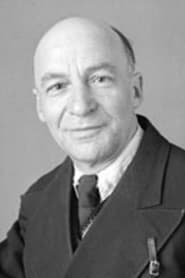
Nikolai Konovalov
Actor
Born: May 15, 1908 in Moscow, Russian Empire Died: March 12, 1945 Active: 1939-1945 Birth Name: Nikolai Ivanovich Konovalov
Films
7 films
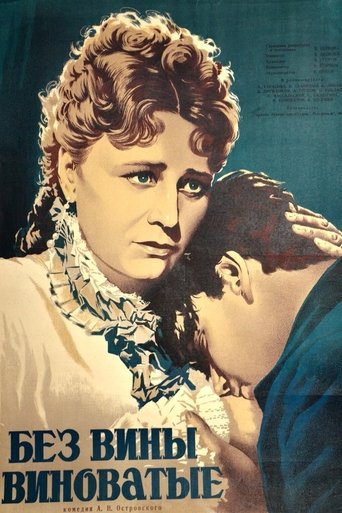
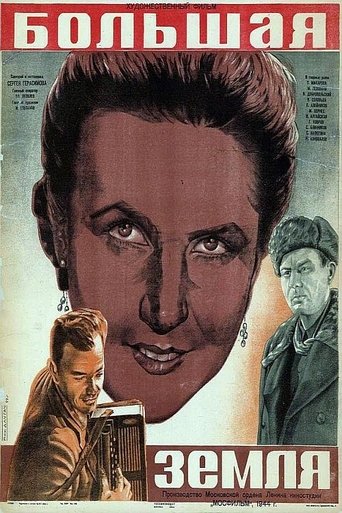
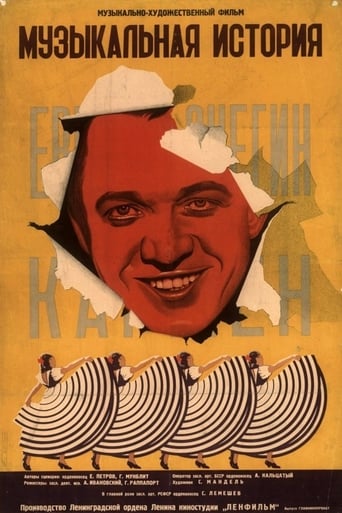
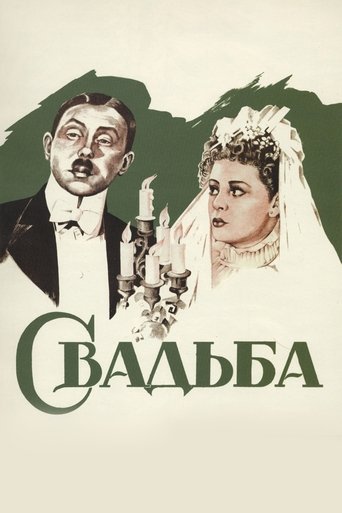
About Nikolai Konovalov
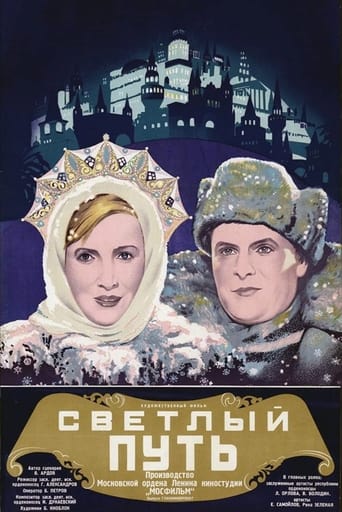
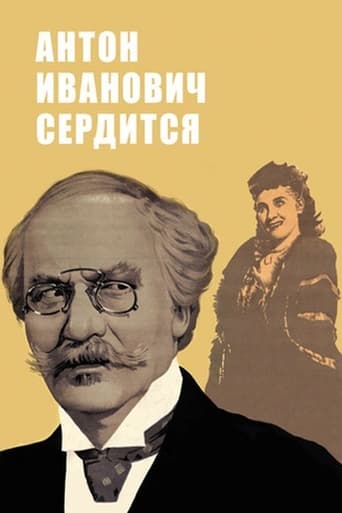
Soviet actor who rose to prominence during the late 1930s and early 1940s, establishing himself as a reliable character actor in Soviet cinema. His career, though brief and cut short by his untimely death in 1945, spanned the crucial period of Soviet cinema before, during, and after World War II. Konovalov appeared in several notable productions that reflected the socialist realist aesthetic favored by the Soviet state, often portraying working-class characters and Soviet heroes. His performances in films like 'The Shining Path' and 'Anton Ivanovich Gets Angry' demonstrated his versatility in both dramatic and comedic roles. Despite his relatively short filmography, Konovalov became a familiar face to Soviet audiences during the wartime period, contributing to the morale-boosting cinema that was essential to the Soviet war effort. His work in 'The Ural Front' (1944) represented one of his final contributions to Soviet wartime cinema before his death. Konovalov's career trajectory was typical of many Soviet actors of his generation who worked within the state-controlled film industry, balancing artistic expression with ideological requirements.
The Craft
On Screen
Konovalov was known for his naturalistic approach to character acting, embodying the socialist realist ideals while maintaining authentic human qualities in his performances. His style was characterized by a grounded, working-class authenticity that resonated with Soviet audiences during the wartime period. He had the ability to transition seamlessly between dramatic and comedic roles, often playing ordinary Soviet citizens with dignity and warmth.
Milestones
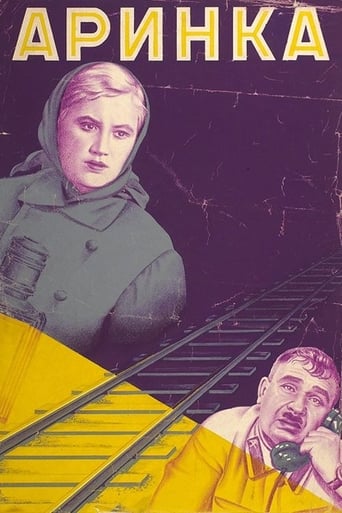
- Film debut in 'Arinka' (1939)
- Breakthrough role in 'The Shining Path' (1940)
- Notable performance in 'Anton Ivanovich Gets Angry' (1941)
- Final film appearance in 'The Ural Front' (1944)
Best Known For
Iconic Roles
Must-See Films
Accolades
Won
- Honored Artist of the RSFSR (1944)
Nominated
- Stalin Prize nomination for 'The Shining Path' (1941)
Special Recognition
- Order of the Red Star (1943) for contributions to wartime cinema
Working Relationships
Worked Often With
Studios
Why They Matter
Impact on Culture
Nikolai Konovalov contributed significantly to Soviet wartime cinema, which played a crucial role in maintaining public morale during World War II. His portrayals of ordinary Soviet citizens facing extraordinary circumstances helped reinforce the ideological narratives of heroism and sacrifice that were central to Soviet wartime propaganda. Konovalov's work exemplified the socialist realist aesthetic while maintaining human authenticity, making his characters relatable to Soviet audiences. His performances in films like 'The Ural Front' and 'The Shining Path' became part of the cultural fabric that supported the Soviet war effort and shaped post-war Soviet identity.
Lasting Legacy
Despite his brief career, Nikolai Konovalov left a lasting mark on Soviet cinema as a representative of the wartime generation of actors who balanced artistic integrity with ideological requirements. His films continue to be studied as examples of socialist realist cinema at its most effective, particularly in their ability to serve both artistic and propaganda purposes. Konovalov is remembered as a dedicated actor who embodied the Soviet ideal of the artist as a servant of the people, contributing to the cultural heritage of the Soviet Union during one of its most challenging periods.
Who They Inspired
Konovalov influenced subsequent generations of Soviet actors through his naturalistic approach to character acting within the constraints of socialist realism. His ability to create authentic working-class characters while meeting ideological requirements became a model for actors in the post-war Soviet film industry. Younger actors studying at VGIK in the late 1940s and early 1950s were often shown his performances as examples of how to balance technical skill with ideological commitment.
Off Screen
Nikolai Konovalov led a relatively private life away from the spotlight, typical of many Soviet actors who maintained a modest public persona. He married fellow actress Elena Morozova in 1940, and their marriage lasted until his death in 1945. The couple had one daughter, Svetlana, born in 1942. Konovalov was known among his colleagues as a dedicated professional who took his craft seriously while remaining humble about his achievements. His death at the age of 36 was widely mourned in the Soviet film community, cutting short a promising career that had already made significant contributions to wartime cinema.
Education
Graduated from the State Institute of Cinematography (VGIK) in 1938, studied under renowned acting teacher Sergei Eisenstein's workshop
Family
- Elena Morozova (1940-1945)
Did You Know?
- Konovalov was originally trained as an engineer before discovering his passion for acting
- He was discovered by director Grigori Alexandrov while working as a theater usher
- His final film 'The Ural Front' was released posthumously
- Konovalov was known for his method preparation, often spending weeks studying the occupations of characters he portrayed
- He was one of the few Soviet actors of his generation to successfully transition between dramatic and comedic roles
- Konovalov received military training during the war and served in the Soviet film unit that documented the Eastern Front
- His death was attributed to complications from injuries sustained during the siege of Moscow
- Konovalov was fluent in three languages: Russian, Ukrainian, and German
- He was an accomplished amateur boxer before pursuing acting
- Several of his films were later restored and shown at international film festivals as examples of Soviet wartime cinema
In Their Own Words
The actor must not just play a role, he must become the Soviet citizen he portrays on screen - this is our duty to our people and our country.
In times of war, cinema becomes not just art, but a weapon. Every performance is a contribution to victory.
The greatest honor for a Soviet actor is to hear that his character has inspired someone to work harder for the Motherland.
Frequently Asked Questions
Who was Nikolai Konovalov?
Soviet with credits in this catalog. He appeared in several notable films including 'The Shining Path' and 'Anton Ivanovich Gets Angry,' becoming a familiar face to Soviet audiences during World War II.
What films is Nikolai Konovalov best known for?
Titles linked here include The Shining Path (1940), Anton Ivanovich Gets Angry (1941).
When was Nikolai Konovalov born and when did he die?
Born May 15, 1908; died March 12, 1945.
What awards did Nikolai Konovalov win?
Konovalov was named an Honored Artist of the RSFSR in 1944 and received the Order of the Red Star in 1943 for his contributions to wartime cinema. He was also nominated for a Stalin Prize in 1941 for his work in 'The Shining Path'.
What was Nikolai Konovalov's acting style?
Konovalov was known for his naturalistic approach to character acting within the socialist realist framework. He specialized in portraying working-class characters with authenticity and warmth, successfully balancing dramatic and comedic roles while meeting Soviet ideological requirements.