

Anton Ivanovich Gets Angry
"His daughter."
Keys: Space play/pause · ←/→ 10s · F fullscreen · M mute · </> speed
About this film
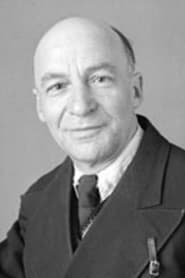
Anton Ivanovich Voronov is a highly respected professor at the Moscow Conservatoire, who places the music of Bach above everything else and regards it as the ultimate yardstick by which other musical accomplishments must be measured. His daughter, Serafima, is an aspiring singer with great potential, and her father’s anger is aroused when she begins singing in the operetta composed by Aleksei Mukhin, thus abandoning what he considers the higher calling of opera. Mukhin’s work, however, demands a high level of ability from his soloist, and Anton Ivanovich is persuaded of the legitimacy of opere…
Cast & crew
More Comedy films
View all →






More from Aleksandr Ivanovsky
View all →
More about this film
About the production
Release dateApril 1941
Box officeUnknown - Soviet box office records from 1941 are incomplete due to wartime disruptions
ProductionLenfilm Studio
Filmed inLeningrad (now Saint Petersburg), Soviet Union
The film was completed just before the German invasion of the Soviet Union in June 1941. The production faced significant challenges as it was made during the tense pre-war period when resources were being diverted to military preparations. The musical sequences required sophisticated recording techniques for the time, and the dream sequence featuring Bach involved innovative special effects and lighting to create an ethereal atmosphere.
Themes
Conflict between high and popular artGenerational differences in artistic valuesThe universal nature of musicArtistic compromise and understandingThe role of dreams in resolving conflicts
Themes & topics
music professoropera singeroperettaBachfather-daughter conflictdream sequencemusical comedyartistic compromiseMoscow Conservatoireclassical musicpopular music
Historical background
The 1941 release of Anton Ivanovich Gets Angry belongs to its era's exhibition habits rather than today's franchise model.
Why this film matters
Restorations and festival bookings keep Anton Ivanovich Gets Angry visible among classic-film communities.
Making of
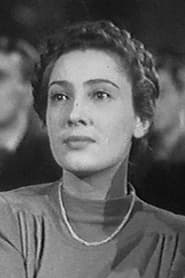
The production of 'Anton Ivanovich Gets Angry' took place during a critical period in Soviet history. Director Aleksandr Ivanovsky, a veteran of Russian cinema since the silent era, brought his extensive experience to this musical comedy. The casting of Lyudmila Tselikovskaya as Serafima proved to be a masterstroke - she was relatively unknown at the time but her performance and singing abilities made her an overnight sensation. The musical sequences required extensive preparation, with the cast undergoing months of vocal training. The film's elaborate dream sequence, where Bach appears to the professor, was shot using special lighting effects and multiple exposures to create a supernatural atmosphere. The production team worked under pressure as the international situation deteriorated, and the film was completed mere months before the Soviet Union entered World War II.
What critics said
Audience data from 1941 is sparse; reception for Anton Ivanovich Gets Angry is inferred from reissue and archival interest.
Did you know?
- This was Lyudmila Tselikovskaya's breakthrough role, launching her to become one of Soviet cinema's most beloved actresses of the 1940s
- Director Aleksandr Ivanovsky was already 60 years old when he made , bringing decades of experience in both silent and sound cinema
- The film's release coincided with the 250th anniversary of Bach's death (1685-1750), though this was likely coincidental
- The musical numbers were recorded using the latest Soviet sound technology of the time, with multiple takes required to achieve the desired quality
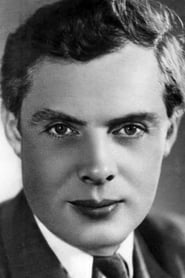
- Pavel Kadochnikov, who played the composer Mukhin, later became one of the Soviet Union's most respected dramatic actors
- The film was one of the last major productions completed by Lenfilm before the Siege of Leningrad began
- Many of the film's original negatives and prints were lost during World War II, with only partial copies surviving
- The dream sequence with Bach was considered technically ambitious for Soviet cinema of the early 1940s
- The film's message about the value of different musical genres reflected ongoing cultural debates in the Soviet Union about accessibility versus artistic merit
- Despite being a comedy, the film contains serious discussions about music theory and the nature of art
Awards & recognition
- Stalin Prize, Second Degree (1941)
Visual style
The cinematography by Vladimir Rapoport employed sophisticated techniques for its time, particularly in the musical sequences and dream scenes. The camera work during the performance scenes used dynamic movements that captured the energy of the musical numbers. The dream sequence featuring Bach utilized innovative lighting techniques, including soft focus and backlighting, to create an ethereal, otherworldly atmosphere. The conservatoire scenes were shot with a more formal, classical style to reflect the academic setting, while the operetta sequences featured more vibrant, colorful cinematography. The contrast between these visual styles reinforced the film's themes about different musical genres.
Innovations
The film featured several technical innovations for Soviet cinema of the early 1940s. The sound recording for the musical numbers utilized multiple microphone techniques to capture both vocals and orchestral accompaniment with clarity. The dream sequence employed pioneering special effects, including double exposure and innovative lighting setups, to create the supernatural appearance of Bach. The film's editing, particularly in the musical sequences, used rhythmic cutting that synchronized with the music, a technique that was relatively advanced for the time. The production also overcame challenges related to filming musical performances, requiring synchronization between playback and live performance that was technically demanding for Soviet studios of this era.
Music
The film's score was a sophisticated blend of classical pieces and original compositions. The soundtrack prominently featured works by Bach, reflecting the professor's musical preferences, alongside original operetta numbers composed for the film. The musical numbers were carefully integrated into the narrative, advancing the plot while showcasing the performers' talents. The sound recording was particularly advanced for Soviet cinema of 1941, with clear reproduction of both dialogue and musical performances. The song from the dream sequence, where Bach sings about the need for all kinds of music, became especially memorable pieces from the film. The soundtrack was later released on records and became popular in its own right.
Famous quotes
People need all kinds of music
Bach in the dream sequence
Bach is the yardstick by which all music must be measured
Professor Voronov
Opera is not just entertainment, it is art!
Even the greatest composers wrote for the people, not just for the academy
Aleksei Mukhin
Music that touches the heart is never low, no matter how simple
Serafima
Memorable scenes
- The dream sequence where Johann Sebastian Bach appears to Professor Voronov in his study, surrounded by ethereal light and floating musical notes, delivering the film's central message about the value of all musical genres. This scene uses innovative special effects for the time and serves as the emotional and thematic climax of the film.
What audiences thought
The film was enormously popular with Soviet audiences upon its release in 1941. Movie theaters reported sold-out screenings, and the songs from the film became widely popular, with people singing them in public spaces. Lyudmila Tselikovskaya's performance made her an instant star, and she received fan mail from across the Soviet Union. The film's humor and music provided welcome entertainment during increasingly tense times. Even during the war years, the film continued to be shown where possible, and it remained a beloved classic in the post-war Soviet period. Today, it is remembered fondly by older generations of Russians and has found new audiences through film festivals and retrospectives of Soviet cinema.
Film connections
Influenced by
- Traditional Russian musical theater
- European operetta traditions
- Soviet realist cinema conventions
- Hollywood musical films of the 1930s
- Bach's actual musical compositions
This film influenced
- Later Soviet musical comedies of the 1940s-1950s
- Post-war Soviet films featuring dream sequences
- Musical films about artistic conflicts
- Soviet films featuring classical musicians as protagonists
Film restoration
Partially preserved - Some original elements were lost during World War II and the Siege of Leningrad. The film exists in restored versions compiled from surviving prints and fragments, with some scenes possibly incomplete. The Gosfilmofond of Russia holds the most complete surviving version and has undertaken restoration efforts. Audio quality varies in surviving copies, particularly for the musical sequences.
Where to watch
- Available on Russian streaming platforms like Kinopoisk and Okko
- Included in Soviet cinema collections on some international streaming services
- Available on DVD from Russian film distributors
- Occasionally screened at film festivals specializing in classic Soviet cinema
- Accessible through film archives and cinematheques that specialize in Soviet films