Pavel Kadochnikov
Actor
Born: January 29, 1915 in Saint Petersburg, Russian Empire Died: May 2, 1988 Active: 1937-1988 Birth Name: Pavel Petrovich Kadochnikov
Films
9 films
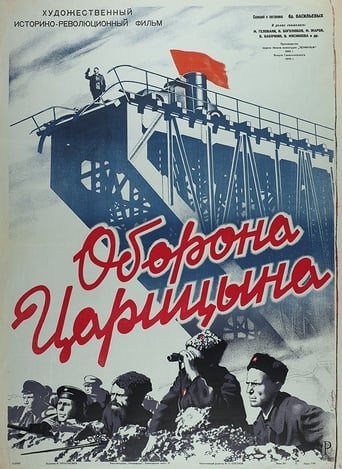
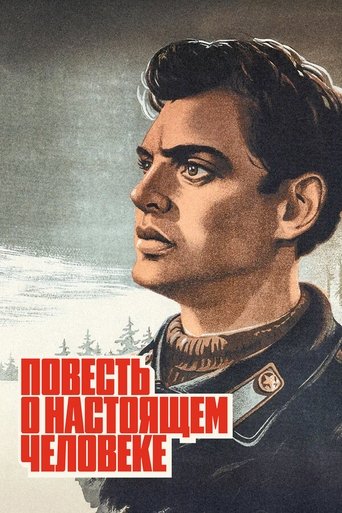
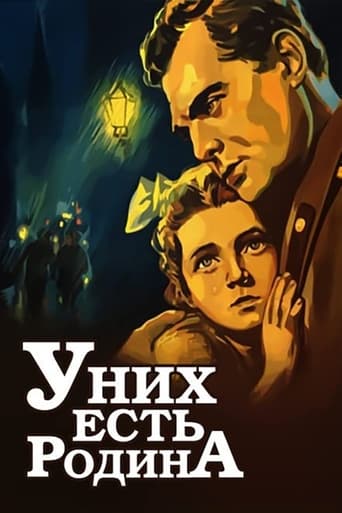
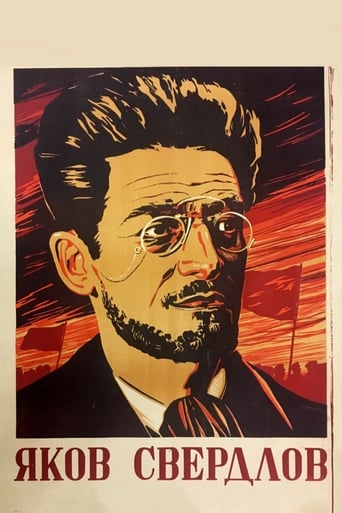
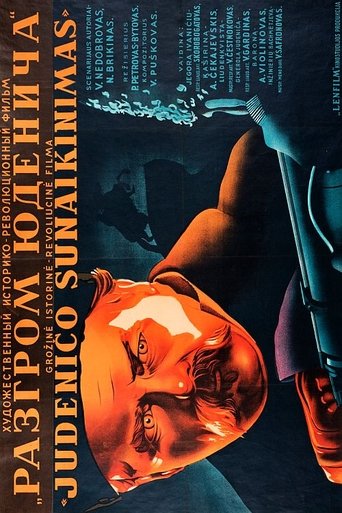
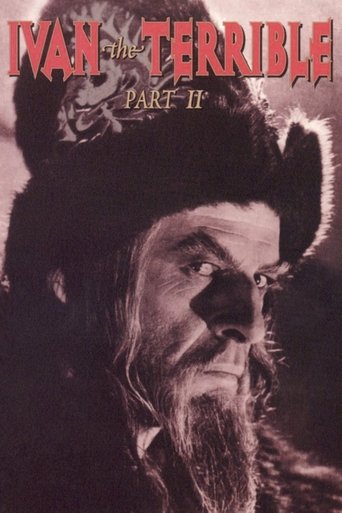
About Pavel Kadochnikov
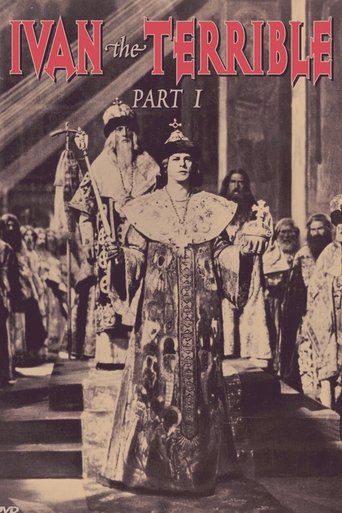
Pavel Petrovich Kadochnikov was and versatile actors of Soviet cinema, whose nearly five decades. Born in Petrograd (now St. Petersburg) in 1915, he graduated from the Leningrad Institute of Performing Arts in 1937 and quickly established himself as a leading actor at Lenfilm studio. His breakthrough came with roles in historical epics and war films during the 1940s, where his intense, naturalistic acting style set him apart from many contemporaries. Kadochnikov achieved international recognition for his portrayal of Vladimir Staritsky in Sergei Eisenstein's masterpiece 'Ivan the Terrible, Part I' (1944), a role that showcased his ability to convey complex psychological depth. Throughout the 1950s and 1960s, he continued to deliver powerful performances in both dramatic films and comedies, becoming beloved actors in the Soviet Union. Later in his career, he successfully transitioned to directing and teaching, mentoring a new generation of Soviet actors. His contributions to cinema were recognized with numerous state honors, including the prestigious title of People's Artist of the USSR, cementing his legacy as one of the foundational figures of Soviet film art.
The Craft
On Screen
Kadochnikov was renowned for his naturalistic and psychologically nuanced approach to acting, which contrasted with the more theatrical style common in early Soviet cinema. He possessed remarkable versatility, capable of portraying both historical figures with gravitas and everyday characters with warmth and authenticity. His technique emphasized subtle facial expressions and controlled body language, allowing him to convey complex emotions with minimal gestures. Critics often praised his ability to disappear completely into his roles, creating fully realized characters that felt authentic and relatable. His voice work was equally distinctive, with a measured, resonant delivery that added depth to his performances.
Milestones
- Graduated from Leningrad Institute of Performing Arts (1937)
- Breakthrough role in 'Yakov Sverdlov' (1940)
- Landmark performance in 'Ivan the Terrible, Part I' (1944)
- Received Stalin Prize (1946, 1951)
- Named People's Artist of the USSR (1979)
- Successfully transitioned to directing in the 1960s
- Taught acting at VGIK (All-Union State Institute of Cinematography)
Best Known For
Iconic Roles
Must-See Films
Accolades
Won
- Stalin Prize (1946)
- Stalin Prize (1951)
- Order of the Red Banner of Labour (1965)
- Order of the October Revolution (1975)
- Order of the Patriotic War 2nd class (1945)
- Order of the Badge of Honour (1950)
Nominated
- Cannes Film Festival - Best Actor nomination for 'The Return of Vasil Borkhanov' (1953)
Special Recognition
- People's Artist of the RSFSR (1965)
- People's Artist of the USSR (1979)
- Honored Artist of the RSFSR (1950)
- Vasilyev Brothers State Prize of the RSFSR (1971)
Working Relationships
Worked Often With
Studios
Why They Matter
Impact on Culture
Pavel Kadochnikov significantly influenced the development of Soviet acting style, helping transition it from the theatrical traditions of the 1920s and 1930s to a more naturalistic, psychologically nuanced approach. His performances in historical epics helped shape how Soviet audiences understood their national history, particularly during the turbulent wartime and postwar periods. Kadochnikov's work with Eisenstein on 'Ivan the Terrible' created a new standard for historical drama in Soviet cinema, influencing generations of actors and directors. His ability to portray both revolutionary heroes and ordinary citizens with equal authenticity made him a cultural bridge between the Soviet state's ideological goals and the everyday experiences of ordinary people.
Lasting Legacy
Kadochnikov's legacy endures not only through his extensive filmography but also through the generations of actors he taught and influenced. He is remembered as. His contributions to film education helped establish a more psychologically sophisticated approach to acting in Soviet cinema. The Pavel Kadochnikov Museum in St. Petersburg preserves his memory, and his films continue to be studied and appreciated by film scholars and enthusiasts worldwide. His influence can be seen in the work of many contemporary Russian actors who cite his naturalistic style as an inspiration.
Who They Inspired
Kadochnikov influenced Soviet cinema by demonstrating that historical and political characters could be portrayed with psychological depth and humanity rather than as mere ideological symbols. His approach to character development influenced directors to focus more on the human elements of their stories. Many prominent Soviet and Russian actors, including Oleg Yankovsky and Innokenty Smoktunovsky, acknowledged his impact on their work. His teaching methods at VGIK helped establish a new generation of actors who prioritized psychological realism over theatricality. His international recognition, particularly at Cannes, helped bring Soviet acting techniques to global attention.
Off Screen
Kadochnikov led a relatively private life despite his immense fame in the Soviet Union. He was married twice and had three children, two of whom followed in his footsteps to become actors. His family life was marked by the challenges of balancing his demanding career with his role as a husband and father. During World War II, he actively participated in entertainment units that performed for Soviet troops, demonstrating his commitment to the war effort. Later in life, he became deeply involved in teaching, sharing his extensive knowledge and experience with young actors at the prestigious VGIK institute.
Education
Leningrad Institute of Performing Arts (graduated 1937)
Family
- Zoya Ivanova (1938-1947)
- Valentina Kadochnikova (1948-1988)
Did You Know?
- Was originally cast as Andrei in Eisenstein's 'Ivan the Terrible' but the role was recast
- Spent part of WWII entertaining frontline troops with traveling theater groups
- His son Pavel Jr. And daughter Natalia both became successful actors
- Was one of the few Soviet actors allowed to work with foreign directors during the Cold War
- Turned down several offers to defect to the West during the 1960s
- His performance in 'Ivan the Terrible' was studied by acting students worldwide
- Maintained a lifelong friendship with director Sergei Eisenstein until Eisenstein's death
- Was known for his method acting approach, often staying in character between takes
- Spoke several languages fluently, including English and German
- His personal film collection was one of the largest private archives in the Soviet Union
In Their Own Words
Acting is not about pretending to be someone else, it's about finding the truth within yourself that connects to the character.
In every role, whether it's a tsar or a worker, I look for the human being first.
The camera sees everything - it knows when you're lying and when you're telling the truth.
To be an actor is to carry the responsibility of representing real human experiences on screen.
The greatest compliment I ever received was when someone told me they forgot they were watching a film and believed they were watching real life.
Frequently Asked Questions
Who was Pavel Kadochnikov?
Pavel Kadochnikov was. He achieved international recognition for his role in Eisenstein's 'Ivan the Terrible' and was named People's Artist of the USSR in 1979.
What films is Pavel Kadochnikov best known for?
Titles linked here include Ivan the Terrible, Part I (1944), Yakov Sverdlov (1940).
When was Pavel Kadochnikov born and when did he die?
Born January 29, 1915; died May 2, 1988.
What awards did Pavel Kadochnikov win?
Kadochnikov received numerous prestigious awards including two Stalin Prizes (1946, 1951), the title of People's Artist of the USSR (1979), and various Soviet state honors including the Order of the Red Banner of Labour and the Order of the October Revolution.
What was Pavel Kadochnikov's acting style?
Kadochnikov was known for his naturalistic and psychologically nuanced acting style, which emphasized subtle facial expressions and controlled body language. He brought a sense of authenticity and depth to his roles, whether playing historical figures or ordinary citizens, helping to establish a more realistic approach in Soviet cinema.