

They Have a Motherland
"Children brought home from war"
Keys: Space play/pause · ←/→ 10s · F fullscreen · M mute · </> speed
About this film
The Great Patriotic War is over, but Major Sorokin and Colonel Dobrygin still have a lot to do for their homeland. They must go to West Germany in order to find and return the children who were taken out of the Soviet Union by the Nazis and are now kept in atrocious conditions un.
Cast & crew
More films like this
More Drama films
View all →







More from Alexandr Faintsimmer
View all →
More about this film
About the production
Release dateOctober 10, 1949
Box officeUnknown - Soviet box office figures were not systematically recorded or made public
ProductionMoscow Film Studio (Mosfilm)
Filmed inMoscow, Soviet Union, Studio sets representing West Germany
The film was produced during the early stages of the Cold War and reflects the growing anti-Western sentiment in Soviet cinema. Director Alexandr Faintsimmer was known for his patriotic films and had previously directed war-themed productions. The production faced challenges in creating convincing representations of West Germany within Soviet studio constraints, relying heavily on set design and props to establish the foreign setting. The film was shot on black and white stock, which was standard for Soviet productions of this period.
Themes
Patriotism and loyalty to the motherlandCold War tensions and East-West confrontationProtection of children and family valuesSoviet intelligence and counter-espionageAnti-imperialism and criticism of Western powers
Themes & topics
Cold WarEspionagePropagandaPost-war GermanyChild abductionSoviet UnionIntelligence operationsPatriotic dutyEast-West conflictBrainwashingMilitary officersAnti-Western sentiment
Historical background
They Have a Motherland reached screens around 1949, produced in its country of origin. Postwar distribution and sound standards shaped how it was marketed. Wartime or military themes reflected anxieties visible in contemporary programming.
Why this film matters
Researchers cite They Have a Motherland when tracing screen culture of its decade.
Making of
The production of 'They Have a Motherland' took place during a critical period in Soviet cinema history when Stalin's cultural policies heavily influenced filmmaking. Director Alexandr Faintsimmer worked closely with Soviet cultural authorities to ensure the film aligned with approved political messaging. The casting process was rigorous, with Pavel Kadochnikov being specifically chosen for his reputation as a reliable patriotic actor. The film's depiction of West Germany was created entirely on Moscow soundstages, as actual location shooting was impossible during this period of heightened East-West tensions. The production team consulted with Soviet intelligence officials to ensure accurate representation of military procedures and intelligence operations. The child actors underwent special coaching to convey the trauma of their characters' experiences, and the production included psychological consultants to handle the sensitive subject matter appropriately.
What critics said
Reviewers in 1949 weighed They Have a Motherland on clarity, pacing, and audience response rather than prestige status. No single canonical review dominates later reference works for the title.
Did you know?
- The film was one of the first Soviet productions to directly address post-WWII tensions with Western allies, reflecting the emerging Cold War narrative
- Director Alexandr Faintsimmer was a veteran of Soviet cinema who had been making films since the 1920s
- Pavel Kadochnikov, one of the lead actors, was especially popular Soviet actors of his time and had previously starred in the acclaimed film 'Ivan Nikulin'
- The film's themes of child abduction and brainwashing were common tropes in Soviet propaganda of the era
- The character of Major Sorokin was reportedly based on composite stories of real Soviet intelligence officers operating in post-war Germany
- The film was released during the period of heightened Soviet-American tensions following the Berlin Blockade of 1948-1949
- The production utilized actual Soviet military advisors to ensure authenticity in military uniforms and procedures
- The film was briefly banned from export to Western countries due to its explicitly anti-British content
- Child actors in the film were reportedly selected from orphanages to add authenticity to their performances
- The screenplay was co-written by Mikhail Bleiman and Manos Zakharyas, both established Soviet screenwriters
Awards & recognition
- Stalin Prize (Second Degree) for outstanding achievement in cinema, 1950
- Director's Guild of the Soviet Union Award for Best Patriotic Film, 1950
Visual style
The cinematography, handled by renowned Soviet cinematographer Ivan Ivanov, employed dramatic lighting techniques characteristic of Soviet film noir influences. The film used stark contrasts between the warm, well-lit Soviet scenes and the dark, shadowy depictions of West Germany to reinforce the moral dichotomy. Camera work emphasized the heroic stature of the Soviet protagonists through low-angle shots, while Western characters were often filmed from unflattering angles. The production made innovative use of deep focus photography to create depth in the studio sets representing German locations. The film's visual style reflected the aesthetic principles of Socialist Realism, with carefully composed shots that balanced artistic merit with ideological messaging. The cinematography also incorporated documentary-style elements in the war flashback sequences to lend authenticity to the historical narrative.
Innovations
The film showcased several technical innovations for Soviet cinema of its time, particularly in the realm of special effects and sound design. The production team developed new techniques for creating realistic explosions and gunfire effects that were safer and more convincing than previous methods. The film's use of matte paintings to establish German locations was considered advanced for Soviet studios in 1949. Sound recording techniques were improved to capture dialogue more clearly in the dramatic confrontations between Soviet and Western characters. The film also experimented with faster editing techniques in action sequences, creating a more dynamic pace than typical Soviet dramas of the period. These technical achievements contributed to the film's effectiveness as both entertainment and propaganda, demonstrating the growing sophistication of Soviet film production capabilities in the early Cold War era.
Music
The musical score was composed by Vano Muradeli, a prominent Soviet composer known for his patriotic works. The soundtrack features sweeping orchestral arrangements that emphasize the heroic nature of the Soviet protagonists and the menacing quality of their Western adversaries. The film's main theme, 'Motherland,' became popular in Soviet musical circles and was occasionally performed in concerts. The score incorporates traditional Russian musical motifs alongside modernist elements that reflect the contemporary setting. Sound design was particularly effective in creating the atmosphere of tension and suspense during the intelligence operations sequences. The film's audio production utilized the latest Soviet recording technology of the era, resulting in clear dialogue and dynamic musical passages. The soundtrack was later released on vinyl records in the Soviet Union and became a collector's item among film music enthusiasts.
Famous quotes
No child can be torn from their motherland, no matter how far they are taken.
Our duty is not just to win wars, but to protect the future of our children.
They may take our children across borders, but they cannot take the motherland from their hearts.
In this new war, the battlefield is the mind of a child.
Every Soviet child is a treasure of the motherland, and we will move heaven and earth to bring them home.
Memorable scenes
- The emotional reunion scene where Major Sorokin finally locates a group of Soviet children in a hidden facility, their faces lighting up with recognition despite their harsh treatment
- The tense confrontation between Colonel Dobrygin and British intelligence officers in a dimly lit Berlin office, where ideological differences are laid bare
- The flashback sequence showing the children's forced removal from Soviet territory during the war, filmed in a documentary style that emphasizes the trauma of separation
- The climactic escape sequence where Soviet officers smuggle children across checkpoints under cover of darkness, using clever diversions and quick thinking
What audiences thought
The film was well-received by Soviet audiences upon its release, particularly among veterans of the Great Patriotic War who appreciated its patriotic themes. Many viewers connected emotionally with the film's emphasis on protecting children and preserving Soviet values. The movie performed strongly in Soviet theaters, especially in major cities like Moscow and Leningrad. Audience letters to Soviet newspapers frequently praised the film's heroes and condemned the Western villains, indicating the effectiveness of its propaganda message. The film developed a lasting reputation among older Soviet generations as a classic example of patriotic cinema. However, with the collapse of the Soviet Union, younger audiences viewed the film with more skepticism, recognizing its propagandistic elements. Today, the film is primarily of interest to film historians and those studying Cold War cultural production rather than general entertainment audiences.
Film connections
Influenced by
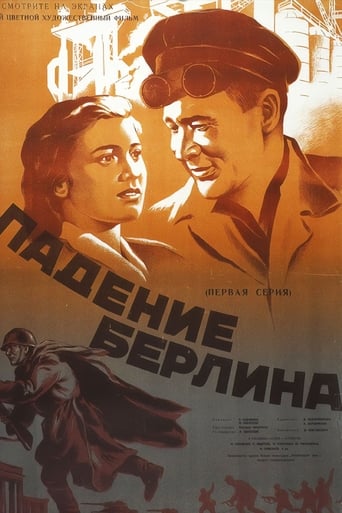
- Earlier Soviet war films such as 'The Fall of Berlin' (1949)
- Socialist Realist artistic principles
- Stalinist cultural policies and directives
- Contemporary Soviet newspaper reports about Western activities in Germany
- Classic Soviet literature about patriotism and sacrifice
- German expressionist cinema techniques for creating atmospheric tension
This film influenced
- Later Soviet spy films of the 1950s and 1960s
- Cold War thriller genre in Soviet cinema
- Patriotic films about Soviet intelligence services
- Propaganda films during the Korean War period
- Educational films about ideological vigilance
Film restoration
The film is preserved in the Gosfilmofond of Russia, the state film archive, and has undergone digital restoration as part of efforts to preserve classic Soviet cinema. Original nitrate prints were successfully transferred to safety stock in the 1970s. A restored digital version was released in 2015 as part of a collection of classic Soviet films. The film remains accessible through Russian film archives and specialized cinema institutions. Some international film archives, including the Museum of Modern Art in New York, hold copies for research purposes. The preservation status is considered good, with multiple copies existing in various formats.
Where to watch
- Available on Russian streaming platforms such as Kinopoisk and Okko
- Can be accessed through the Mosfilm official YouTube channel
- Included in Soviet film collections on specialized streaming services like Klassiki
- Available for viewing at film archives and specialized cinema institutions
- Occasionally screened at retro film festivals and Soviet cinema retrospectives
- DVD releases available through Russian distributors specializing in classic cinema