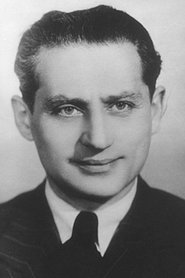
Alexandr Faintsimmer
Director
Born: January 12, 1906 in Moscow, Russian Empire Died: March 21, 1982 Active: 1930-1955 Birth Name: Alexandr Mikhaylovich Faintsimmer (Александр Михайлович Файнциммер)
Films
2 films
About Alexandr Faintsimmer
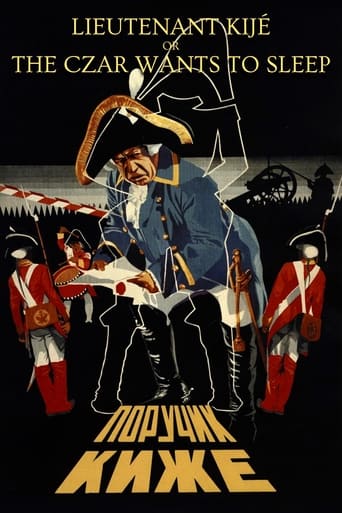
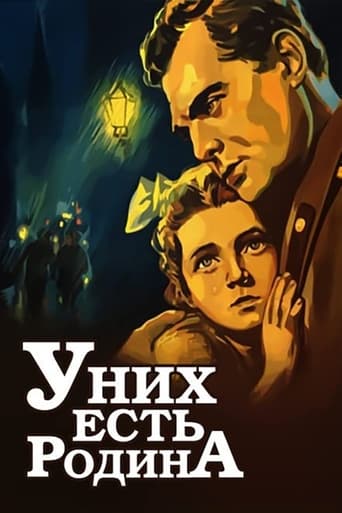
Alexandr Faintsimmer (Александр Файнциммер) was a prominent Soviet film director who emerged during the formative years of Soviet cinema in the 1930s. He began his career in the silent era and successfully transitioned to sound films, establishing himself as a versatile director capable of handling both comedy and drama. His most celebrated work, 'Lieutenant Kizhe' (1934), became a classic of Soviet cinema, renowned for its satirical take on bureaucracy and its innovative musical score by Sergei Prokofiev. Throughout the 1930s and 1940s, Faintsimmer directed numerous films that reflected the ideological priorities of the Soviet state while maintaining artistic merit. His later work, including 'They Have a Motherland' (1949), demonstrated his ability to adapt to changing political climates while continuing to produce films that resonated with Soviet audiences. Faintsimmer's the crucial period of Soviet cinema's development, from the experimental 1920s through the Stalinist era, making him an important figure in understanding Soviet film history.
The Craft
Behind the Camera
Faintsimmer was known for his ability to blend comedy with social commentary, often using satire to critique bureaucratic inefficiency while staying within acceptable ideological boundaries. His directing style emphasized clear storytelling, visual clarity, and strong musical integration, as evidenced in his collaboration with Prokofiev on 'Lieutenant Kizhe'. He demonstrated particular skill in comedy, timing his visual gags and narrative pacing to create films that were both entertaining and socially relevant. His approach became more conventional during the Stalinist era, adapting to the demands of socialist realism while maintaining technical proficiency.
Milestones
- Directed the classic comedy 'Lieutenant Kizhe' (1934)
- Collaborated with composer Sergei Prokofiev on multiple films
- Directed 'The Girl with a Hat' (1937)
- Created 'They Have a Motherland' (1949) during the post-war period
- Worked at major Soviet film studios including Lenfilm and Mosfilm
Best Known For
Must-See Films
Accolades
Won
- Order of the Red Banner of Labour (1939)
- Stalin Prize (1941) for 'Lieutenant Kizhe'
- Order of the Badge of Honour (1950)
- Honored Artist of the RSFSR (1946)
Nominated
- Stalin Prize nomination for 'The Girl with a Hat' (1938)
Special Recognition
- Honored Artist of the Russian Soviet Federative Socialist Republic (1946)
- Participant in multiple Soviet film festivals as jury member
Working Relationships
Worked Often With
Studios
Why They Matter
Impact on Culture
Faintsimmer's 'Lieutenant Kizhe' became. The film's success demonstrated that comedy could be used to critique bureaucracy while reinforcing socialist values, a formula that influenced subsequent Soviet filmmakers. His collaboration with Prokofiev created. Faintsimmer's work during the 1930s and 1940s helped establish the conventions of Soviet popular cinema, balancing entertainment value with ideological messaging.
Lasting Legacy
Alexandr Faintsimmer is remembered as a significant figure in the development of Soviet cinema, particularly in the comedy genre. His most famous work, 'Lieutenant Kizhe,' continues to be studied and appreciated as a masterpiece of Soviet film comedy and political satire. The film has endured as a cultural touchstone, referenced and parodied in Russian popular culture decades after its release. Faintsimmer's career exemplifies the challenges and achievements of Soviet filmmakers working within the constraints of the state-controlled film industry, demonstrating how artistic expression could flourish even under ideological pressure. His influence can be seen in subsequent generations of Soviet and Russian directors who sought to balance entertainment with social commentary.
Who They Inspired
Faintsimmer influenced Soviet comedy directors by demonstrating how satire could be used safely within the Soviet system. His work with Prokofiev on 'Lieutenant Kizhe' set a standard for film music collaboration that inspired later Soviet filmmakers. His ability to adapt to changing political climates while maintaining artistic integrity provided a model for survival and success in the Soviet film industry. The techniques he developed for visual comedy and timing influenced subsequent generations of Soviet comedy directors, including Eldar Ryazanov and Leonid Gaidai, who would later become masters of the genre.
Off Screen
Faintsimmer lived during. He was married and had children, though detailed information about his family life remains limited in available sources. Like many Soviet artists of his generation, he had to balance artistic expression with ideological conformity, a challenge that shaped both his personal and professional life. His later years were spent teaching and mentoring younger filmmakers, passing on his experience to the next generation of Soviet directors.
Education
Graduated from the State Institute of Cinematography (VGIK) in Moscow, studied under prominent Soviet film theorists and directors of the 1920s
Family
- Unknown - limited biographical information available
Did You Know?
- 'Lieutenant Kizhe' was banned shortly after its release but later rehabilitated and became a Soviet classic
- The film's score by Prokofiev became so popular that it was later adapted into a concert suite
- Faintsimmer worked as an assistant director before making his feature debut
- His films often featured themes of mistaken identity and bureaucratic confusion
- During World War II, he directed several newsreels and propaganda films for the Soviet war effort
- The character of Lieutenant Kizhe became a cultural reference point for non-existent people in Soviet bureaucracy
- Faintsimmer was one of the few directors who successfully worked in both Leningrad and Moscow film studios
- His later films were more conventional and less experimental than his early work
- He survived the Stalinist purges that claimed many of his contemporaries in the film industry
- After directing, he served as a professor at VGIK, the Soviet Union's premier film school
In Their Own Words
Comedy is the sharpest weapon against bureaucracy, when wielded carefully
In Soviet cinema, we must learn to dance between the raindrops of ideology and art
A film must first entertain, only then can it educate
The greatest challenge is not making a film, but making a film that survives its time
Frequently Asked Questions
Who was Alexandr Faintsimmer?
Soviet on YTB.my. He was a significant figure in Soviet cinema who successfully navigated the complex political landscape of the Stalinist era while creating films that balanced entertainment with ideological messaging.
What films is Alexandr Faintsimmer best known for?
Titles linked here include Lieutenant Kizhe (1934), The Girl with a Hat (1937).
When was Alexandr Faintsimmer born and when did he die?
Born January 12, 1906; died March 21, 1982.
What awards did Alexandr Faintsimmer win?
Faintsimmer received several prestigious Soviet honors, including the Stalin Prize in 1941 for 'Lieutenant Kizhe', the Order of the Red Banner of Labour (1939), the Order of the Badge of Honour (1950), and was named an Honored Artist of the RSFSR in 1946. These awards reflected his contribution to Soviet cinema and his adherence to socialist artistic principles.
What was Alexandr Faintsimmer's directing style?
Faintsimmer was known for his comedic timing and ability to use satire to critique bureaucracy while staying within ideological boundaries. His style emphasized clear storytelling, visual clarity, and strong musical integration, particularly evident in his collaboration with Prokofiev. He demonstrated particular skill in creating films that were both entertaining and socially relevant.
How did Alexandr Faintsimmer influence Soviet cinema?
Faintsimmer influenced Soviet cinema by establishing a template for political satire that could operate within Soviet constraints, particularly through 'Lieutenant Kizhe'. His work showed how comedy could critique bureaucracy while reinforcing socialist values, influencing subsequent generations of Soviet comedy directors. His collaboration with Prokofiev also set standards for film music integration in Soviet cinema.