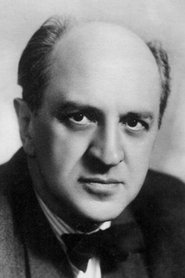
Mikhail Astangov
Actor
Born: November 20, 1900 in Warsaw, Russian Empire (now Poland) Died: April 18, 1949 Active: 1933-1949 Birth Name: Mikhail Fyodorovich Astangov
Films
12 films
About Mikhail Astangov
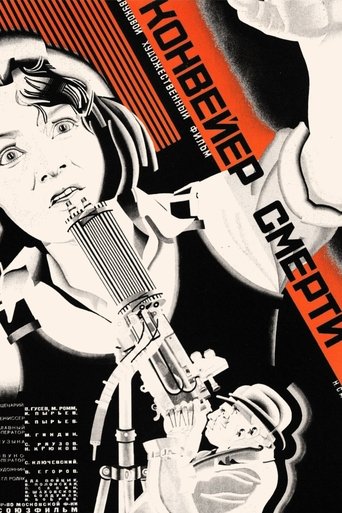
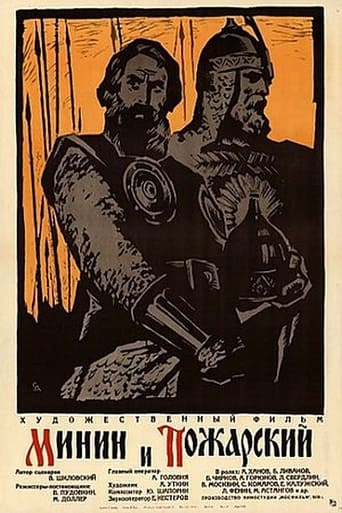
Mikhail Fyodorovich Astangov was actors of Soviet cinema and theater, renowned for his powerful dramatic performances and commanding stage presence. Born in Warsaw in 1900, he began his theatrical career in the 1920s after graduating from the Moscow Art Theatre School, quickly establishing himself as a versatile character actor. His film debut came in 1933 with 'Conveyor of Death,' marking the beginning of a prolific cinema career that would span nearly two decades. Astangov specialized in portraying historical figures and complex dramatic characters, bringing psychological depth and emotional intensity to his roles. He became particularly acclaimed for his performances in historical epics like 'Minin and Pozharsky' (1939) and 'Suvorov' (1941), where his regal bearing and dramatic delivery made him ideal for playing nobility and military leaders. During World War II, he contributed to the war effort through patriotic films and performances for troops. His career continued successfully through the late 1940s until his untimely death in 1949, leaving behind a legacy as one of Soviet cinema's most respected dramatic actors.
The Craft
On Screen
Astangov was known for his classical theatrical training combined with cinematic naturalism, employing a powerful voice and commanding physical presence. His acting style emphasized psychological depth and emotional authenticity, particularly in historical and dramatic roles. He excelled in the 'system' acting technique, bringing intense preparation and methodical character development to each performance. His performances were characterized by regal dignity, precise diction, and the ability to convey complex emotions through subtle facial expressions and body language.
Milestones
- Film debut in 'Conveyor of Death' (1933)
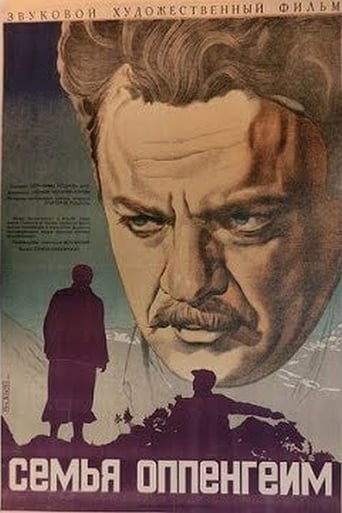
- Breakthrough role in 'The Oppenheim Family' (1938)
- Acclaimed performance as Prince Pozharsky in 'Minin and Pozharsky' (1939)
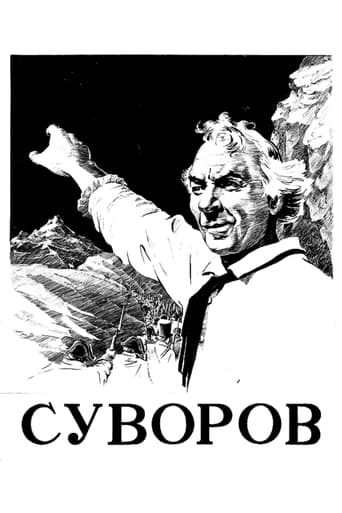
- Title role in 'Suvorov' (1941)
- Awarded Stalin Prize for his contributions to Soviet cinema
- Leading actor at the Moscow Art Theatre
- Performed in over 20 films during his 16-year film career
Best Known For
Iconic Roles
Must-See Films
Accolades
Won
- Stalin Prize (Second Degree) for 'Minin and Pozharsky' (1941)
- Order of the Red Banner of Labour (1948)
- Honored Artist of the RSFSR (1937)
- People's Artist of the RSFSR (1947)
Nominated
- Stalin Prize nomination for 'Suvorov' (1942)
Special Recognition
- Star on the Avenue of Stars in Moscow
- Named one of the greatest Soviet actors of the 20th century
- Theatre named in his honor at the Moscow Art Theatre
Working Relationships
Worked Often With
Studios
Why They Matter
Impact on Culture
Mikhail Astangov significantly shaped Soviet cinema's approach to historical drama, establishing a template for portraying national heroes with dignity and psychological complexity. His performances in films like 'Minin and Pozharsky' and 'Suvorov' helped define the Soviet historical epic genre during the Stalin era, blending patriotic themes with artistic sophistication. His work contributed to the development of Soviet acting techniques, particularly the adaptation of theatrical methods for the screen. Astangov's portrayal of historical figures helped create a visual and dramatic language for Soviet patriotic cinema that influenced generations of filmmakers and actors.
Lasting Legacy
Astangov's legacy endures as one of Soviet cinema's most dramatic actors, particularly remembered for his mastery of historical roles. His performances continue to be studied in Russian film schools as examples of classical acting technique adapted for cinema. The Moscow Art Theatre preserves his memory through annual performances and retrospectives, while his films remain part of the Russian cinematic canon. His influence extends beyond his filmography to the generations of actors he trained and inspired at the Moscow Art Theatre School, where his emphasis on psychological realism and technical precision continues to inform Russian acting pedagogy.
Who They Inspired
Astangov influenced Soviet cinema by demonstrating how classical theatrical training could be successfully adapted to the medium of film without losing artistic integrity. His methodical approach to character study and historical research set new standards for actors in historical dramas. Younger Soviet actors, particularly those specializing in dramatic and historical roles, emulated his combination of technical precision and emotional depth. His work helped bridge the gap between theater and cinema in Soviet artistic practice, showing that the two mediums could inform and enhance each other rather than exist in opposition.
Off Screen
Astangov was known for his dedication to his craft and maintained a relatively private personal life despite his fame. He was married twice, with his second marriage being to actress Valentina Tokarskaya, with whom he often performed on stage. He was known among colleagues as a serious, intellectual actor who devoted himself completely to his art, often spending hours studying historical texts and documents to prepare for his roles in historical films. His home in Moscow became a gathering place for intellectuals and artists during the 1930s and 1940s.
Education
Moscow Art Theatre School (graduated 1925)
Family
- First wife (name unknown, divorced)
- Valentina Tokarskaya (1935-1949)
Did You Know?
- Born in Warsaw when it was part of the Russian Empire, his family moved to Moscow after World War I
- Originally studied law before switching to acting
- Was fluent in Polish, Russian, and French
- His stage name 'Astangov' was derived from a combination of his family name and a theatrical pseudonym
- During World War II, he performed over 200 concerts for Soviet troops at the front lines
- His performance as Suvorov was so convincing that actual military officers praised his authentic portrayal
- He was known for his extensive research into historical characters, often spending months studying documents and visiting historical sites
- His voice was considered
- He died unexpectedly of a heart attack at age 48, while still at the height of his career
- A crater on Mercury was named 'Astangov' in his honor by Soviet astronomers
In Their Own Words
The actor must not play the role, he must become the role - there is no other path to truth on stage or screen.
Historical characters are not costumes and props; they are living souls who demand our complete understanding and respect.
In every role, whether king or commoner, I search for the human truth that connects us all across time.
The camera is unforgiving; it captures not just what we show, but what we truly are.
Frequently Asked Questions
Who was Mikhail Astangov?
Renowned Soviet with credits in this catalog. He was particularly known for portraying Russian historical figures with psychological depth and commanding presence.
What films is Mikhail Astangov best known for?
Titles linked here include Minin and Pozharsky (1939), Suvorov (1941).
When was Mikhail Astangov born and when did he die?
Born November 20, 1900; died April 18, 1949.
What awards did Mikhail Astangov win?
Astangov received the Stalin Prize (Second Degree) in 1941, was named Honored Artist of the RSFSR in 1937 and People's Artist of the RSFSR in 1947, and was awarded the Order of the Red Banner of Labour in 1948 for his contributions to Soviet cinema and theater.
What was Mikhail Astangov's acting style?
Astangov's acting style combined classical theatrical training with cinematic naturalism, emphasizing psychological depth, emotional authenticity, and technical precision. He was known for his powerful voice, commanding presence, and methodical approach to character development, particularly in historical roles.
Did Mikhail Astangov work in theater as well as film?
Yes, Astangov — prominent stage actor at the Moscow Art Theatre throughout his career, maintaining an active theatrical practice alongside his film work. His theatrical background heavily influenced his film performances and contributed to his reputation as a technically skilled dramatic actor.
What was Mikhail Astangov's contribution to Soviet cinema?
Astangov helped define the Soviet historical epic genre, establishing standards for portraying national heroes with dignity and complexity. His work bridged theatrical and cinematic traditions, influencing how Soviet actors approached dramatic roles and contributing to the development of a distinctive Soviet acting style.