
The Murderers Are Coming
"Brecht’s sketches of life under fascism"
Keys: Space play/pause · ←/→ 10s · F fullscreen · M mute · </> speed
About this film
Brecht's play Fear and Misery of the Third Reich consists of a series of playlets, portraying National Socialist Germany of the 1930s as a land of poverty, violence, fear and pretence. Nazi antisemitism is depicted in several of the sketches, including "the Physicist", "Judicial
Cast & crew
More films like this
More Drama films
View all →







More from Vsevolod Pudovkin
View all →

More about this film
About the production
Release date1942
Box officeUnknown - Soviet box office tracking was different from Western systems and records from 1942 are incomplete
ProductionMosfilm Studio
Filmed inMoscow, Soviet Union
The film was produced during the critical period of WWII when Soviet cinema was heavily focused on anti-fascist propaganda. Pudovkin, one of the pioneering Soviet montage theorists, adapted Brecht's episodic theatrical structure for the cinematic medium. The production faced significant challenges due to wartime conditions, including resource shortages and the evacuation of film personnel and equipment. Many Soviet film studios were operating under difficult circumstances, with some relocated eastward away from the front lines.
Themes
Anti-fascismNazi oppressionJewish persecutionResistanceTotalitarianism
Themes & topics
Nazi GermanyAntisemitismWartime propagandaSocial commentaryPolitical oppressionResistanceEpisodic narrativeAdaptationSoviet cinemaWorld War II
Historical background
The Murderers Are Coming appeared in 1942, when wartime and immediate postwar filmmaking shaped how movies were financed, distributed, and discussed. Audiences of the day encountered the work amid shifting tastes in acting, pacing, and spectacle. Its focus on brecht's play fear and misery of the third reich consists of a series of playlets, portraying national socialist germany of the 1930s as a land of poverty, violence, fear and pretence mirrors themes circulating in popular culture of that moment.
Why this film matters
The Murderers Are Coming (1942) belongs to the wider archive of world cinema, documenting brecht's play fear and misery of the third. Archivists and historians value such titles for what they reveal about craft, genre, and audience expectations. Restorations and festival screenings keep the work visible to viewers far beyond its first run.
Making of
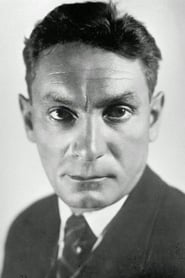
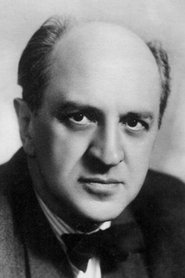
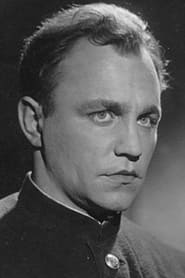
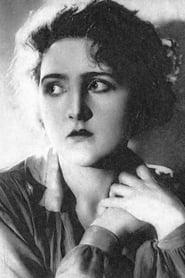
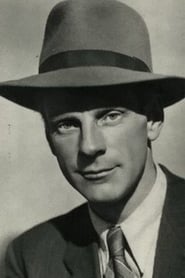
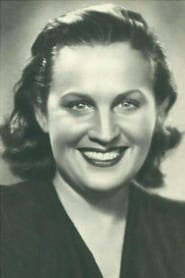
The making of this film occurred during among the leading desperate periods in Soviet history, following the Nazi invasion of 1941. Pudovkin, already an established master of Soviet cinema, brought his expertise in montage theory to bear on Brecht's episodic structure. The adaptation process would have involved significant cultural translation, as Brecht's German theatrical sensibilities were rendered into Soviet cinematic language. The production team worked under wartime conditions, with constant threat of air raids on Moscow and severe material shortages. Many film industry workers had been conscripted or evacuated, meaning those who remained worked under immense pressure. The casting of prominent actors like Mikhail Astangov and Boris Blinov suggests the film was considered an important propaganda effort. The relationship between Pudovkin and Magarill (who were married) likely influenced the production dynamics, though professional standards in Soviet studios were extremely high regardless of personal relationships.
What critics said
Press coverage from 1942 is fragmentary for many titles of this vintage; surviving notices for The Murderers Are Coming tend to stress novelty, star power, or topical appeal. Later writing places the picture within its national and generic context, weighing both period conventions and moments that still land for modern viewers. Streaming and disc releases have revived discussion among classic-film audiences.
Did you know?
- Vsevolod Pudovkin was one of the foundational figures of Soviet montage theory, alongside Eisenstein and Kuleshov
- The film represents a rare Soviet adaptation of Western anti-fascist literature during WWII
- Bert Brecht's original play was written in 1938 and first performed in Paris
- The title 'The Murderers Are Coming' may be a Soviet retitle rather than the original adaptation title
- 1942 was a critical year for Soviet cinema, with many films focused on rallying support against the Nazi invasion
- The cast included prominent Soviet actors who were also involved in wartime cultural efforts
- Sofiya Magarill, one of the stars, was married to director Pudovkin at the time
- The film's episodic structure was innovative for Soviet cinema of the period
- Many Soviet films from 1942 were lost or damaged during the war, making surviving prints particularly valuable
- The production likely benefited from state support as part of the Soviet anti-fascist cultural campaign
Awards & recognition
- Unknown - Soviet film awards from 1942 are not comprehensively documented
Visual style
While specific cinematographic details are not well-documented, Pudovkin's films typically demonstrated sophisticated use of montage and composition. The adaptation of Brecht's episodic structure would have required innovative visual solutions to maintain narrative coherence across different vignettes. Soviet cinematography of the 1940s often balanced artistic expression with clear narrative communication, especially for propaganda purposes. The visual style likely employed dramatic lighting to emphasize the oppressive atmosphere of Nazi Germany. Camera work probably included both intimate close-ups for emotional impact and wider shots to establish the social context. The film may have used documentary-style elements to enhance its authenticity as an exposé of Nazi rule.
Innovations
The adaptation of Brecht's theatrical structure to cinematic form represents a significant technical and narrative achievement. Pudovkin's application of montage theory to contemporary anti-fascist subject matter demonstrates how classic Soviet film techniques evolved to serve wartime needs. The film's episodic structure required innovative editing solutions to maintain narrative flow across different vignettes. Production during wartime conditions with limited resources represented a technical challenge that the crew had to overcome creatively. The visual representation of Nazi ideology and antisemitism required careful consideration of how to depict these themes effectively without being overly didactic. The film likely employed various techniques to create the oppressive atmosphere of 1930s Germany while maintaining Soviet cinematic aesthetic principles.
Music
Specific information about the musical score is not available, but Soviet films of this period typically used orchestral scores to reinforce emotional and narrative elements. The music would have likely emphasized the dramatic tension in scenes depicting Nazi oppression and provided emotional underscoring for moments of resistance or suffering. Soviet composers during WWII often incorporated patriotic themes and folk influences into their film scores. The soundtrack might have included diegetic music that reflected German culture of the 1930s to enhance authenticity. The episodic nature of the film would have required musical themes that could unify the different vignettes while maintaining their distinct identities.
Famous quotes
Unknown - specific quotes from the film are not well-documented in available sources
Memorable scenes
- The 'Jewish Wife' segment depicting the impact of Nazi antisemitism on families
- The 'Judicial Process' vignette showing the corruption of Nazi law
- The 'Physicist' scene revealing how intellectual freedom was crushed under fascism
What audiences thought
Soviet audiences during WWII were hungry for films that clearly depicted Nazi evil and Soviet righteousness, suggesting this film would have been well-received by wartime viewers. The episodic nature of the narrative, adapted from Brecht's play, might have been particularly effective for audiences experiencing war's disruptions. The focus on exposing Nazi antisemitism would have resonated with Soviet citizens, many of whom had witnessed Nazi atrocities firsthand. Wartime audiences often attended films in makeshift venues or as part of mobile cinema units that brought entertainment to soldiers and workers. The emotional impact of seeing Nazi brutality depicted on screen, especially during the height of the German invasion, would have been powerful for Soviet viewers. However, comprehensive audience reception data from 1942 Soviet films is not readily available in modern archives.
Film connections
Influenced by
- Bertolt Brecht's 'Fear and Misery of the Third Reich'
- Soviet montage theory
- Socialist realism
- Documentary film traditions
- German expressionism
This film influenced
- Unknown - influence difficult to trace due to limited documentation
Film restoration
The preservation status of this film is unclear - many Soviet films from 1942 were lost or damaged during WWII, and comprehensive archives of this period are incomplete. Some wartime films exist only in fragmentary form or in poor quality prints due to the difficult conditions of production and storage.
Where to watch
- Unknown - current availability unclear due to the film's rarity and potential loss. May exist in Russian state archives or specialized film collections. Not currently available on major streaming platforms or home video releases in the West.