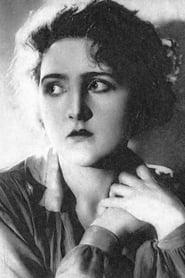
Sofiya Magarill
Actor
Born: February 4, 1904 in Tomsk, Russian Empire (now Russia) Died: October 15, 1942 Active: 1927-1942 Birth Name: Sofiya Zinovievna Magarill
Films
4 films
About Sofiya Magarill
Sofiya Zinovievna Magarill — prominent Soviet actress who rose to fame during the silent film era and successfully transitioned to sound films in the 1930s. Born into a Jewish family in Tomsk, Siberia, she began her acting career in the theater before making her film debut in 1927. Magarill quickly became recognizable faces of Soviet cinema, known for her striking beauty and versatile acting abilities. She worked with some of the most important directors of the Soviet era, including Sergei Eisenstein and Grigori Kozintsev. Her the crucial transition period from silent to sound cinema, where she proved her adaptability and continued popularity. Magarill's performances often embodied the ideals of Soviet womanhood while maintaining a unique personal charisma that audiences found compelling. Tragically, her promising career was cut short when she died of tuberculosis at the age of 38, leaving behind a legacy of memorable performances that continue to be studied by film historians.
The Craft
On Screen
Magarill was known for her expressive and nuanced performances, combining the melodramatic style of silent cinema with the subtlety required for sound films. She possessed remarkable facial expressiveness that translated well to both mediums, and her voice work demonstrated clear diction and emotional range. Her acting style evolved from the theatrical gestures common in early Soviet cinema to more naturalistic performances in her later sound films.
Milestones
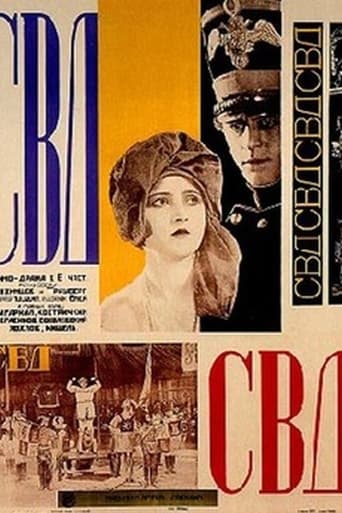
- Film debut in The Club of the Big Deed (1927)
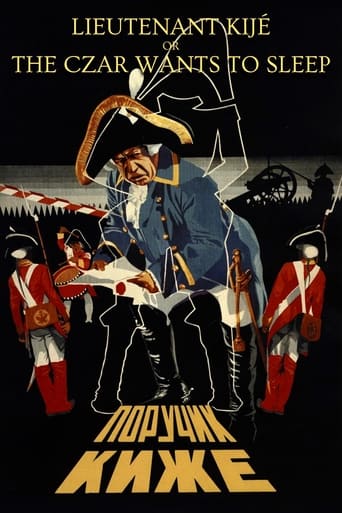
- Breakthrough role in Lieutenant Kizhe (1934)
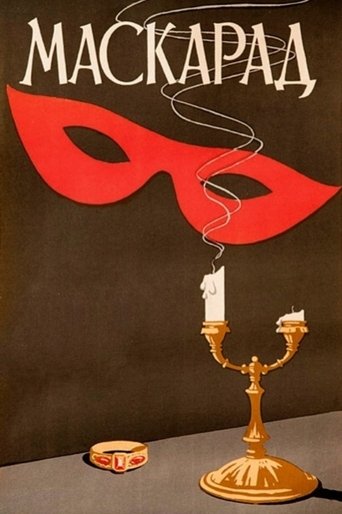
- Critically acclaimed performance in Masquerade (1941)
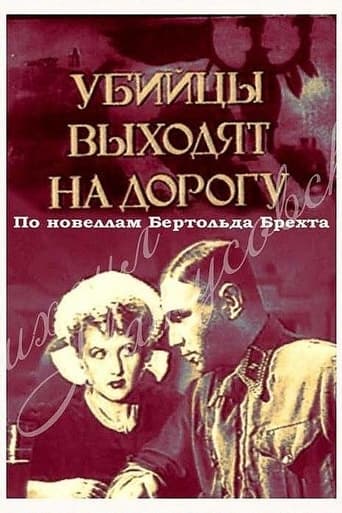
- Final film appearance in The Murderers Are Coming (1942)
- Successful transition from silent to sound films
Best Known For
Iconic Roles
Must-See Films
Accolades
Won
- Honored Artist of the RSFSR (1935)
Nominated
- Stalin Prize nomination for Masquerade (1941)
Special Recognition
- Order of the Red Banner of Labour (posthumously)
Working Relationships
Worked Often With
Studios
Why They Matter
Impact on Culture
Sofiya Magarill represented the ideal Soviet actress of her era, embodying both artistic excellence and ideological commitment. Her films were instrumental in shaping Soviet popular culture during the 1930s and early 1940s, particularly in establishing the archetype of the strong, intelligent Soviet woman. Magarill's work helped define the aesthetic of Socialist Realism in cinema while maintaining a level of artistic sophistication that elevated the genre. Her performances in films like Lieutenant Kizhe and Masquerade became cultural touchstones for generations of Soviet filmgoers.
Lasting Legacy
Sofiya Magarill's legacy endures through her influential body of work that captured a pivotal moment in Soviet cinema history. She is remembered as. Her films continue to be studied by film scholars for their artistic merit and historical significance. Magarill's ability to bridge the gap between silent and sound cinema made her a transitional figure whose techniques influenced subsequent generations of Soviet actors.
Who They Inspired
Magarill's naturalistic acting style and technical versatility influenced the next generation of Soviet actresses who emerged in the post-war period. Her success in both dramatic and comic roles demonstrated the range possible within Soviet cinema, expanding the possibilities for female performers. Her collaboration with innovative directors like Kozintsev helped establish new approaches to film acting that emphasized psychological depth over theatricality.
Off Screen
Sofiya Magarill was married to prominent Soviet director Grigori Kozintsev, with whom she frequently collaborated. Their marriage was both personal and professional, with Kozintsev directing her in several of her most acclaimed films. Despite her success, Magarill struggled with health issues throughout her adult life, ultimately succumbing to tuberculosis during World War II. She was known among colleagues for her dedication to her craft and her willingness to take on challenging roles that pushed the boundaries of Soviet cinema.
Education
Graduated from the Leningrad Institute of Performing Arts (1925)
Family
- Grigori Kozintsev (1930s)
Did You Know?
- Was one of the few Soviet actresses to successfully transition from silent films to sound films
- Her husband Grigori Kozintsev was
- Died during the Siege of Leningrad, though her death was due to tuberculosis rather than wartime violence
- Was considered
- Her performance in Lieutenant Kizhe was particularly praised for its comic timing
- Worked with both avant-garde and mainstream Soviet directors
- Was part of the influential FEKS (Factory of the Eccentric Actor) theatrical group
- Her film Masquerade was based on a play by Mikhail Lermontov
- Received the prestigious title of Honored Artist of the RSFSR at age 31
- Her final film was released posthumously
In Their Own Words
Acting is not about becoming someone else, but about revealing the truth within yourself through the character.
In cinema, as in life, the most powerful moments are often the quietest ones.
Frequently Asked Questions
Who was Sofiya Magarill?
Prominent Soviet actress active from 1927 to 1942, known for her work in both silent and sound films. She was.
What films is Sofiya Magarill best known for?
Titles linked here include Lieutenant Kizhe (1934), Masquerade (1941).
When was Sofiya Magarill born and when did she die?
Born February 4, 1904; died October 15, 1942.
What awards did Sofiya Magarill win?
She was named an Honored Artist of the RSFSR in 1935 and received the Order of the Red Banner of Labour posthumously. She was also nominated for a Stalin Prize for her performance in Masquerade.
What was Sofiya Magarill's acting style?
Magarill was known for her expressive performances that successfully combined silent film melodrama with the subtlety required for sound cinema. She possessed remarkable facial expressiveness and clear diction, evolving from theatrical gestures to more naturalistic performances.
How did Sofiya Magarill die?
She died from tuberculosis on October 15, 1942, during the Siege of Leningrad in World War II. Her death was not directly caused by the war but by her long-standing health issues.
Was Sofiya Magarill married?
Yes, she was married to prominent Soviet director Grigori Kozintsev, with whom she frequently collaborated professionally. Their marriage was both personal and artistic, with Kozintsev directing her in several acclaimed films.