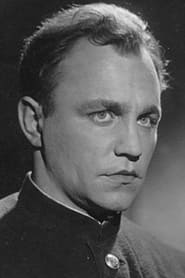
Boris Blinov
Actor
Born: May 7, 1909 in St. Petersburg, Russian Empire Died: September 15, 1943 Active: 1934-1943 Birth Name: Boris Vladimirovich Blinov
Films
8 films
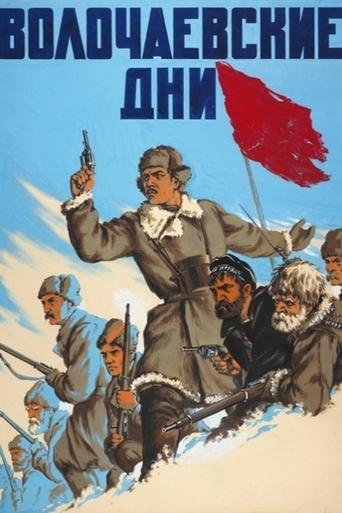

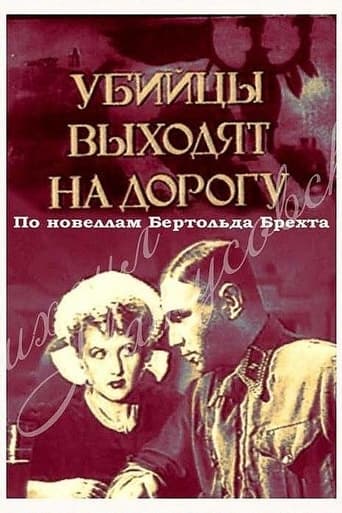
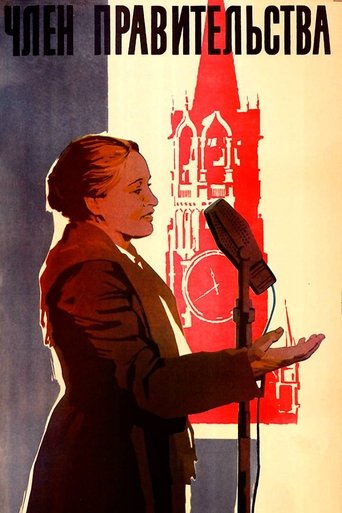
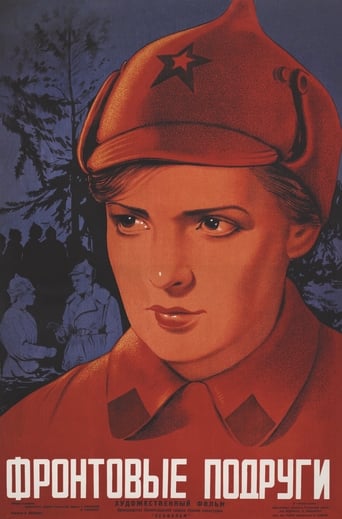
About Boris Blinov
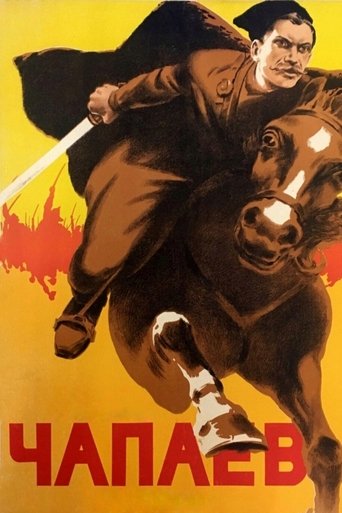
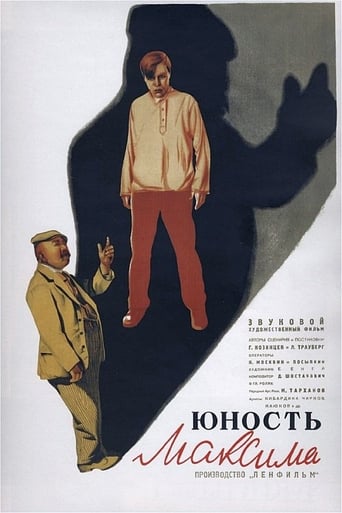
Boris Blinov was promising and talented Soviet actors of the 1930s, known for his powerful performances in films that exemplified Soviet socialist realism. Born in St. Petersburg in 1909, he graduated from the Leningrad Institute of Performing Arts and began his career in theater before transitioning to cinema. Blinov gained widespread recognition for his role as Petka in the film 'Chapayev' (1934), which became Soviet films of all time. He went on to star in the Maxim trilogy ('The Youth of Maxim' 1935, 'The Return of Maxim' 1937, 'The Vyborg Side' 1939), portraying the transformation of a young worker into a committed revolutionary. His performances were characterized by their emotional depth, naturalistic style, and ability to embody the ideal Soviet citizen. Blinov's career was tragically cut short when he died of illness in Moscow in 1943 at the age of 34, while still serving in the army during World War II. Despite his brief career, he on Soviet cinema and was posthumously recognized as an Honored Artist of the RSFSR.
The Craft
On Screen
Blinov was known for his naturalistic and emotionally authentic acting style, which stood out during an era often characterized by theatrical performances. He brought depth and humanity to his characters, making ideological figures relatable and genuine. His technique combined subtle psychological nuance with powerful emotional expression, allowing him to portray complex character transformations convincingly.
Milestones
- Breakthrough role as Petka in Chapayev (1934)
- Starred in the Maxim trilogy (1935-1939)
- Awarded Honored Artist of the RSFSR (1935)
- Leading roles in major Soviet propaganda films
- Became
Best Known For
Iconic Roles
Must-See Films
Accolades
Won
- Honored Artist of the RSFSR (1935)
- Order of the Red Star (posthumous)
Nominated
- Stalin Prize nomination (1941, posthumous for Member of the Government)
Special Recognition
- Honored Artist of the RSFSR (1935)
- Order of the Red Star (posthumous, 1943)
- Boris Blinov Street named after him in St. Petersburg
Working Relationships
Worked Often With
Studios
Why They Matter
Impact on Culture
Boris Blinov became an icon of Soviet cinema during the 1930s, embodying the ideal Soviet hero in his most famous roles. His performance as Petka in 'Chapayev' created. The Maxim trilogy, in which he starred, became required viewing for Soviet youth and was used as educational material about the revolutionary struggle. Blinov's naturalistic acting style influenced a generation of Soviet actors, helping to move Soviet cinema away from theatrical performances toward more realistic portrayals. His premature death during World War II elevated him to legendary status, and he was mourned as a cultural hero who had given his life for his country both as an artist and as a soldier.
Lasting Legacy
Boris Blinov's legacy endures through his influential performances that defined the heroic archetype in Soviet cinema. His work in 'Chapayev' and the Maxim trilogy continues to be studied in film schools as exemplary examples of socialist realism in cinema. Despite his short career, Blinov managed to create some of the most memorable characters in Soviet film history. His approach to acting, emphasizing psychological authenticity within ideological constraints, paved the way for more nuanced performances in later Soviet cinema. Streets in both St. Petersburg and Moscow bear his name, and his films remain part of the cultural heritage of Russia and former Soviet republics. Film historians consider him.
Who They Inspired
Blinov's naturalistic acting style influenced the next generation of Soviet actors, including Innokenty Smoktunovsky and Oleg Yankovsky, who admired his ability to bring psychological depth to ideological characters. His technique of balancing emotional authenticity with political requirements became a model for actors working within the Soviet system. Directors such as Andrei Tarkovsky later cited Blinov's performances as examples of how art could transcend propaganda constraints. His portrayal of the revolutionary journey in the Maxim trilogy influenced how character development was approached in subsequent Soviet historical films. International film scholars studying Soviet cinema often point to Blinov as an example of how exceptional talent could flourish even within restrictive artistic systems.
Off Screen
Blinov married fellow actress Valentina Serova in 1936, though their marriage was brief and ended in divorce. He later married actress Nina Zorskaya, with whom he had a son. Blinov was known for his dedication to his craft and was respected by colleagues for his professionalism and humility. Despite his rising fame, he remained modest and focused on his artistic development. He volunteered for military service during World War II and continued acting in military productions until his death from illness in 1943.
Education
Leningrad Institute of Performing Arts (graduated 1932)
Family
- Valentina Serova (1936-1938)
- Nina Zorskaya (1939-1943)
Did You Know?
- His role as Petka in 'Chapayev' made him
- He was originally cast as Maxim in 'The Youth of Maxim' after director Sergei Gerasimov saw his performance in 'Chapayev'
- Despite his popularity, he never received the Stalin Prize during his lifetime
- He continued acting even after joining the Red Army during World War II
- His death at age 34 was considered a major loss to Soviet cinema
- The character of Petka became so popular that it inspired numerous jokes and folk sayings in Soviet culture
- His second wife Nina Zorskaya was also his frequent co-star in several films
- He was known for his method acting approach, often staying in character between takes
- His performance in 'Chapayev' was reportedly praised by Stalin himself
- The Maxim trilogy was
In Their Own Words
Acting is not just playing a role, it's becoming the person the Soviet people need to see
In every character, I must find the truth that serves our revolutionary ideals
The camera doesn't lie - it captures the soul of the actor and the spirit of the times
To play a hero, one must understand what makes people sacrifice for the greater good
Frequently Asked Questions
Who was Boris Blinov?
Prominent Soviet with credits in this catalog. He was considered.
What films is Boris Blinov best known for?
Titles linked here include Chapayev (1934), The Youth of Maxim (1935).
When was Boris Blinov born and when did he die?
Born May 7, 1909; died September 15, 1943.
What awards did Boris Blinov win?
Blinov was awarded the title of Honored Artist of the RSFSR in 1935 and received the Order of the Red Star posthumously in 1943. He was also nominated for a Stalin Prize in 1941 for his role in 'Member of the Government'.
What was Boris Blinov's acting style?
Blinov was known for his naturalistic and emotionally authentic acting style, which brought psychological depth to his characters. He combined subtle nuance with powerful emotional expression, making his portrayals of ideological figures both convincing and human, standing out during an era of often theatrical performances.