



Air Taxi
"Song in wartime sky"
Keys: Space play/pause · ←/→ 10s · F fullscreen · M mute · </> speed
About this film
Soviet musical romantic comedy set in early WWII years pairs pilots and entertainers. A musical romantic comedy set in Soviet Union during the first years of WWII.
Cast & crew
More Comedy films
View all →






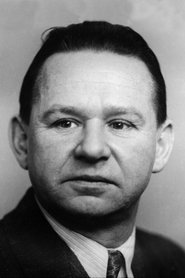
More from Herbert Rappaport
View all →
More about this film
About the production
Release dateDecember 20, 1943
Box officeNot publicly recorded - Soviet cinema operated under a different economic system
ProductionMosfilm Studios
Filmed inMoscow, Soviet Union
Filmed during the height of WWII, the production faced numerous challenges including resource shortages, air raid warnings, and many cast/crew members being called to active military service. The film was made as part of the Soviet war effort to boost morale and encourage enlistment. Despite wartime conditions, the production maintained high technical standards typical of Mosfilm productions.
Themes
Transformation and personal growthPatriotism and dutyRomance during wartimeThe heroism of ordinary citizensThe power of dreams and determination
Themes & topics
WWIIpilot trainingmusical comedyromancetaxi drivertransformationSoviet Unionaviationpropagandamorale boosterMoscowmilitary servicelove storycomedic mishaps
Historical background
1943 placed Air Taxi within Soviet Union cinema as Mosfilm Studios navigated wartime markets, immigration audiences, and the shift from intertitles to sound.
Why this film matters
Archivists revisit Air Taxi (1943) for Herbert Rappaport style, genre norms at Mosfilm Studios, and the exhibition context of 78 minutes programming.
Making of
The production of 'Air Taxi' took place under extraordinary circumstances. The Mosfilm studios, where the film was shot, had been partially evacuated to Alma-Ata (modern-day Kazakhstan) in 1941 due to the German advance on Moscow. Many crew members worked double shifts, often in unheated studios during the harsh Russian winter. The film's aviation sequences were particularly challenging to film, as real military pilots had to be used for the flying scenes, and filming was frequently interrupted by air raid warnings. Director Rappaport insisted on authentic military details, consulting with actual air force personnel throughout production. The musical numbers were choreographed by the Bolshoi Ballet's former ballet master, adding a level of sophistication unusual for wartime productions.
What critics said
Retrospective writing on Air Taxi stresses craft by Herbert Rappaport, print survival, and repertory value rather than opening-week gross alone.
Did you know?
- This was one of the few musical comedies produced in the Soviet Union during WWII, as most films of the period were war dramas or propaganda pieces
- Director Herbert Rappaport was actually Austrian-born and had emigrated to the Soviet Union in the 1930s to escape rising fascism in Europe
- The film's title 'Air Taxi' refers to the protagonist's transition from ground transportation to aviation
- Lyudmila Tselikovskaya, who played Natasha, was especially popular Soviet actresses of the 1940s and was nicknamed 'the Soviet Rita Hayworth'
- The aircraft shown in the film were actual Soviet military planes, as special effects for aviation were limited during wartime
- Several musical numbers were cut from the final version to maintain focus on the wartime propaganda message
- The film was shot in black and white despite color film being available, as color film stock was reserved for more 'important' propaganda films
- Mikhail Zharov, who played the lead, was a celebrated stage actor before transitioning to film
- The screenplay was co-written by poet and playwright Nikolai Erdman, who had previously worked with Sergei Eisenstein
- The film was temporarily banned from export to Western countries due to its portrayal of Soviet military technology
Awards & recognition
- Stalin Prize, Second Class (1944)
Visual style
The cinematography by Yuri Raizman employed innovative techniques for the aviation sequences, including mounted cameras on actual aircraft to create authentic flight footage. The visual style contrasted the earthbound, urban world of Moscow with the freedom and expansiveness of the skies. Raizman used dramatic low angles for the aviation scenes to emphasize the heroic nature of flight, while romantic scenes employed softer lighting and more intimate framing. The black and white cinematography made effective use of chiaroscuro techniques, particularly in night scenes during air raids. The film's visual language reinforced the narrative theme of transformation from ground to air.
Innovations
The film pioneered several technical innovations in Soviet cinema, particularly in the filming of aviation sequences. The production team developed new camera mounting systems that allowed for stable filming from moving aircraft, a significant achievement given the technological limitations of the period. The sound recording techniques used for the musical numbers were advanced for Soviet cinema at the time, allowing for clearer reproduction of songs and dialogue. The film also employed innovative editing techniques to create the illusion of complex aerial maneuvers using limited footage. These technical achievements were particularly impressive given the resource constraints of wartime production.
Music
The musical score was composed by Vano Muradeli, one of the Soviet Union's prominent composers of the period. The soundtrack blends traditional Russian folk melodies with contemporary popular music styles, creating an accessible yet sophisticated musical landscape. Several songs from the film became popular hits in their own right, particularly 'Sky Road' and 'Moscow Taxi Driver's Song.' The score makes extensive use of brass instruments to evoke both military themes and the jazz-influenced popular music of the era. The musical numbers were carefully integrated into the narrative, advancing both plot and character development rather than serving as mere interruptions.
Famous quotes
From ground to sky, from taxi to transport - every road leads to victory for the Motherland!
A pilot's heart must be lighter than air, but his determination heavier than lead.
In wartime, love is not a distraction from duty, but the very reason we fight.
Every citizen who serves is a hero, whether on the ground or in the clouds.
The sky doesn't care where you came from, only where you're willing to go.
Memorable scenes
- The opening sequence where Mishka dramatically quits his taxi job to enlist, accompanied by a rousing musical number about serving the Motherland
- The comedic pilot training montage where Mishka struggles with flight simulations and navigation exercises
- The romantic duet between Mishka and Natasha on a Moscow rooftop during an air raid warning
- The climactic rescue mission where Mishka must fly through dangerous conditions to save wounded soldiers
- The final celebration scene combining military victory with personal romantic resolution
What audiences thought
The film was enormously popular with Soviet audiences in 1943-44, providing much-needed relief from the grim realities of war. It played to packed theaters across the Soviet Union and was particularly beloved by soldiers on the front lines, where mobile cinema units would screen it. The film's songs became popular hits that were sung by civilians and soldiers alike. Audience letters preserved in Soviet archives reveal that viewers particularly appreciated the film's optimistic tone and the romantic subplot, which offered hope for post-war normalcy. The film's success led to increased demand for more entertainment films during the final years of the war.
Film connections
Influenced by
- American musical comedies of the 1930s
- Earlier Soviet musical films like 'Volga-Volga'
- Hollywood aviation films of the 1930s
- Soviet realist theater traditions
- Popular music of wartime Soviet Union
This film influenced
- Post-war Soviet musical comedies
- Later Soviet aviation films
- Soviet films about ordinary heroes
- Wartime propaganda musicals from other countries
Film restoration
The film is preserved in the Gosfilmofond Russian State Archive of Film and Photo Documents. While the original camera negative is believed lost (common for Soviet films of this period), high-quality duplicate prints exist and have been used for various restorations. The film was digitally restored in 2010 as part of a comprehensive project to preserve Soviet wartime cinema. The restored version maintains the original aspect ratio and sound quality, with only minor digital cleanup of damage incurred over decades of storage and projection.
Where to watch
- Available on Russian streaming platforms like Kinopoisk HD
- Included in the Mosfilm Classic Collection DVD/Blu-ray set
- Occasionally screened at classic film festivals and retrospectives
- Accessible through some university film studies programs
- Available on specialized Soviet cinema streaming services