Films
2 films
About Lyudmila Shabalina
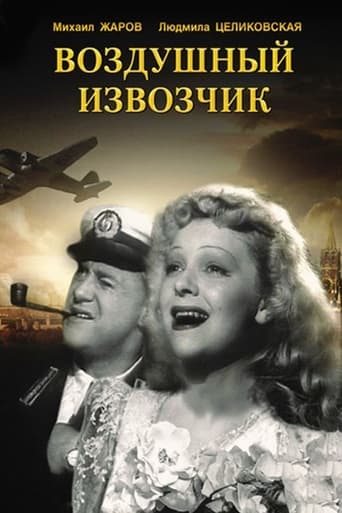
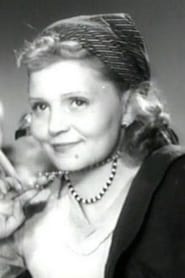
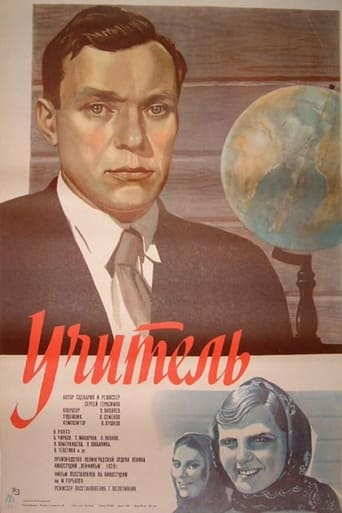
Soviet actress who had a brief but notable career during the Stalinist era of Soviet cinema. She emerged in the late 1930s, a period when Soviet film was heavily influenced by socialist realism and state-sponsored narratives. Her most recognized work came in 1939 with 'The New Teacher,' a film that reflected Soviet educational ideals and the importance of ideological instruction. She continued her career during World War II, appearing in 'Air Taxi' in 1943, which was produced during a time when Soviet cinema was focused on patriotic themes and supporting the war effort. Despite her appearances in these notable productions, her career appears to have been relatively short-lived, spanning only from 1939 to 1943. Like many actors of her generation in the Soviet Union, her work was shaped by the political and cultural demands of the time, with films serving as tools for education and propaganda.
The Craft
On Screen
Likely adhered to the socialist realist style prevalent in Soviet cinema of the era, emphasizing clear character types and ideological messaging
Milestones
- Debut in 'The New Teacher' (1939)
- Appeared in wartime production 'Air Taxi' (1943)
Best Known For
Must-See Films
Working Relationships
Studios
Why They Matter
Impact on Culture
Lyudmila Shabalina's work reflects the broader context of Soviet cinema during a pivotal historical period. Her films were produced during an era when cinema was recognized as a powerful tool for ideological education and social engineering in the Soviet Union. 'The New Teacher' (1939) contributed to the cultural narrative about the importance of education in building socialist society, while 'Air Taxi' (1943) was part of the wartime cinema effort that boosted morale and supported the Soviet war cause. Although she was not a major star, her participation in these films places her within the important tradition of actors who helped shape Soviet cultural identity during the Stalinist era.
Lasting Legacy
Lyudmila Shabalina represents the many working actors in Soviet cinema who contributed to the film industry during a critical historical period but whose personal stories remain largely undocumented. Her legacy is tied to the films she appeared in, which serve as historical artifacts of Soviet cultural production during the late 1930s and early 1940s. These films provide insight into the values, concerns, and artistic approaches of Soviet cinema during the pre-war and wartime years. While her individual impact may have been modest, her work is part of the collective effort that defined Soviet cinema's role in society during this era.
Who They Inspired
Given her brief career and limited filmography, there is little evidence of direct influence on other actors or filmmakers. However, like all Soviet actors of her generation, she contributed to the establishment of acting traditions and styles that would influence subsequent generations of Soviet performers. Her work in socialist realist cinema helped maintain and propagate the acting conventions that were considered appropriate for Soviet film during this period.
Off Screen
Very little information is available about Lyudmila Shabalina's personal life, which is common for many Soviet-era actors who were not major stars. Her brief active years covered a critical period in Soviet history, from just before World War II through the early war years.
Did You Know?
- Had a very brief film career spanning only 4 years (1939-1943)
- Both of her known films were produced during significant historical periods - one just before WWII and one during the war
- Like many Soviet actors of her era, she likely worked under the state-controlled film industry system
- Her filmography consists entirely of Soviet productions reflecting the ideological priorities of the time
- Information about her life and career is limited, which is common for non-star Soviet actors from this period
Frequently Asked Questions
Who was Lyudmila Shabalina?
Soviet actress active during the late 1930s and early 1940s, known primarily for her roles in 'The New Teacher' (1939) and 'Air Taxi' (1943). She had a brief career spanning just four years, working during a critical period in Soviet cinema history.
What films is Lyudmila Shabalina best known for?
Titles linked here include The New Teacher (1939), Air Taxi (1943).
When was Lyudmila Shabalina born and when did she die?
Specific birth and death dates for Lyudmila Shabalina are not readily available in accessible sources, which is common for lesser-known Soviet actors from this period.
What awards did Lyudmila Shabalina win?
There are no documented awards or honors for Lyudmila Shabalina in available sources, which suggests she did not receive major recognition during her career.
What was Lyudmila Shabalina's acting style?
While specific details about her acting style are not documented, she likely adhered to the socialist realist approach prevalent in Soviet cinema of the era, which emphasized clear character types and ideological messaging.