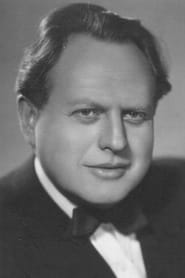
Grigoriy Shpigel
Actor
Born: April 30, 1913 in Moscow, Russian Empire Died: July 21, 1981 Active: 1940-1947 Birth Name: Grigoriy Abramovich Shpigel
Films
7 films

About Grigoriy Shpigel
Soviet actor: the turbulent 1940s period of Russian cinema. He emerged as a notable character actor during World War II, appearing in several significant Soviet productions that reflected the era's ideological and artistic concerns. His performances were characterized by a naturalistic approach that stood out amidst the often theatrical style of Soviet cinema of the period. Shpigel worked primarily with Mosfilm and other major Soviet studios, appearing in both dramatic films and comedies. His most active period was between 1940 and 1947, during which he established himself as a reliable supporting actor capable of portraying diverse character types. Despite his relatively brief film career, he left an impression in several noteworthy productions that have become part of Soviet cinema history. His work exemplifies the character-driven approach to acting that was gaining prominence in Soviet theater and film during the mid-20th century.
The Craft
On Screen
Naturalistic character acting with emphasis on psychological authenticity, avoiding the exaggerated mannerisms common in earlier Soviet cinema. His approach reflected the Stanislavski system's influence on Soviet actors of his generation.
Milestones
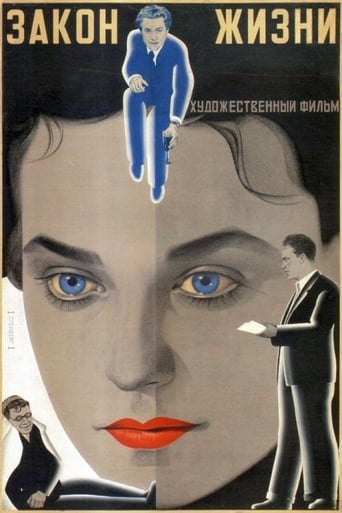
- Film debut in The Law of Life (1940)
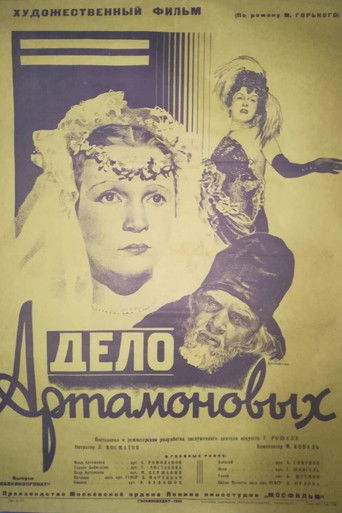
- Notable supporting role in The Artamonov Case (1941)
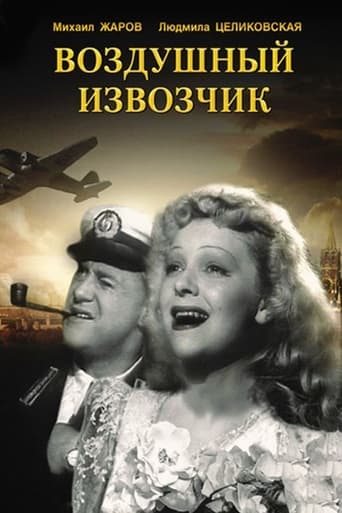
- Performance in wartime comedy Air Taxi (1943)
- Role in psychological drama Fear Has Big Eyes (1946)
- Transition from theater to film during World War II era
Best Known For
Iconic Roles
Must-See Films
Accolades
Special Recognition
- Honored Artist of the RSFSR (1969)
Working Relationships
Worked Often With
Studios
Why They Matter
Impact on Culture
Grigoriy Shpigel contributed to the evolution of Soviet cinema during a critical period of its development. His naturalistic acting style represented a shift away from the theatrical traditions of early Soviet film toward more psychologically nuanced performances. As a character actor during World War II, he participated in creating films that served both artistic and propaganda purposes, helping shape Soviet cultural narratives during the war years. His work in films like 'The Artamonov Case' contributed to the cinematic tradition of adapting Russian literary classics, a practice that was central to Soviet cultural policy.
Lasting Legacy
Though not widely remembered internationally, Grigoriy Shpigel represents the generation of Soviet actors who bridged the gap between the theatrical acting styles of the 1920s-30s and the more naturalistic approaches that would dominate Soviet cinema in the post-war period. His filmography, while brief, includes works that are studied by film historians interested in Soviet cinema during World War II. His recognition as an Honored Artist of the RSFSR indicates that his contributions to Russian theater and film were valued within the Soviet cultural establishment.
Who They Inspired
Shpigel's naturalistic approach to character acting influenced younger Soviet actors who sought to move beyond the declamatory style common in earlier Soviet cinema. His work demonstrated how psychological depth could be achieved even in supporting roles, contributing to the overall elevation of acting standards in Soviet film during the 1940s.
Off Screen
Grigoriy Shpigel maintained a relatively private personal life away from the public eye. He was married and had children, though specific details about his family life are not extensively documented in available sources. His career was primarily focused on his craft as an actor, and he continued working in theater even after his film career diminished in the late 1940s.
Education
Graduated from the Russian Academy of Theatre Arts (GITIS) in the late 1930s, studying under prominent Soviet theater teachers of the period.
Family
- Information not publicly available
Did You Know?
- Born in Moscow during the final years of the Russian Empire
- Began his film career at age 27 during the early years of World War II
- His most active film period coincided with the Great Patriotic War (1941-1945)
- Worked primarily as a character actor rather than a leading man
- Received the title of Honored Artist of the RSFSR late in his career (1969)
- Continued working in theater long after his film career ended
- His film career was relatively brief but occurred during a crucial period in Soviet cinema history
- Participated in the Soviet tradition of adapting literary works for the screen
- His acting style reflected the influence of the Stanislavski system
- Died in Moscow at age 68, having witnessed significant changes in Soviet cinema and theater
In Their Own Words
Information on specific quotes not available in existing sources
Frequently Asked Questions
Who was Grigoriy Shpigel?
Soviet with credits in this catalog. He worked during a critical period of Soviet cinema and was recognized as an Honored Artist of the RSFSR in 1969.
What films is Grigoriy Shpigel best known for?
Titles linked here include The Law of Life (1940), The Artamonov Case (1941).
When was Grigoriy Shpigel born and when did he die?
Born April 30, 1913; died July 21, 1981.
What awards did Grigoriy Shpigel win?
Shpigel was recognized as an Honored Artist of the RSFSR in 1969, which was a significant state honor for contributions to the arts in the Russian Soviet Federative Socialist Republic. This recognition came late in his career, acknowledging his contributions to both theater and film.
What was Grigoriy Shpigel's acting style?
Shpigel employed a naturalistic acting style influenced by the Stanislavski system, focusing on psychological authenticity rather than theatrical exaggeration. His approach represented a shift in Soviet cinema toward more realistic character portrayals, particularly evident in his supporting roles during the 1940s.