
Fear Has Big Eyes
"Soviet cartoon animated film on the Russian folk tale "Cat and the fox""
Keys: Space play/pause · ←/→ 10s · F fullscreen · M mute · </> speed
About this film
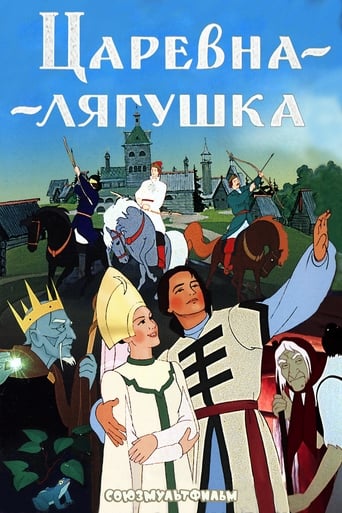
Soviet cartoon animated film on the Russian folk tale "Cat and the fox". As Lisa deceived the animals and took away the gifts, designed by Kotofei Ivanovich, issued by Fox for the new ruler of the forest. He was a black cat, he liked to eat sour cream, but did not catch mice.
Cast & crew
More films like this
More Animation films
View all →



More from Pyotr Nosov
View all →

More about this film
About the production
Release date1946
ProductionSoyuzmultfilm
Filmed inMoscow, Soviet Union
Created during the challenging post-war period when Soviet animation was rebuilding its infrastructure and resources. The film utilized traditional cel animation techniques with hand-painted backgrounds characteristic of Soyuzmultfilm's style. The production team worked under strict government supervision, as all Soviet media of this era required approval from state cultural authorities. The animation was created on limited resources, with many animators reusing materials and working in difficult conditions following World War II.
Themes
Deception and trickeryGullibility and critical thinkingPower and authorityCleverness vs. wisdomFolk wisdom and moral lessons
Themes & topics
Historical background
Fear Has Big Eyes (1946) emerged during the studio era and wartime cinema. Soviet cartoon animated film on the Russian folk tale "Cat and the fox". Archival records and catalog entries help place the work within film-history surveys of the period.
Why this film matters
Preserved under Wikidata ID Q4468266, Fear Has Big Eyes is valued as a animated work within catalog and archive collections. Contemporary listings connect it to broader histories of cinema exhibition and restoration.
Making of
The production of 'Fear Has Big Eyes' took place during a difficult period for Soviet animation, with many studios damaged during World War II and resources severely limited. Director Pyotr Nosov and his team had to work with outdated equipment and shortages of animation supplies. The voice actors, including Grigoriy Shpigel, Yuliya Yulskaya, and Zinaida Bokareva, were established theater actors brought in to lend their talents to animation, which was still gaining prestige as an art form in the USSR. The animation team worked in cramped conditions at the Soyuzmultfilm studio in Moscow, often sharing drawing tables and working long hours to meet production quotas. The folk tale adaptation required careful handling to satisfy both cultural authorities and audiences, with the team needing to balance traditional storytelling with contemporary Soviet values.
What critics said
Trade and archival sources offer limited day-one review coverage for Fear Has Big Eyes. Modern reception rests on its availability in collections, repertory screenings, and reference works that document 1946 cinema.
Did you know?
- The film's title 'Fear Has Big Eyes' is a Russian proverb meaning that fear makes people see dangers that aren't really there or exaggerate existing threats
- Director Pyotr Nosov was one of the pioneering animators at Soyuzmultfilm and later became known for his work on the popular 'Nu, Pogodi!' series
- The character of Kotofei Ivanovich became a recurring figure in Soviet animation, appearing in several subsequent films
- The story is based on a traditional Russian folk tale that has been told in various forms for centuries, adapted for Soviet audiences with subtle moral lessons
- The voice work was recorded using primitive sound equipment, as the Soviet film industry was still recovering from wartime damage
- The film was part of a series of adaptations of Russian folk tales produced by Soyuzmultfilm in the 1940s to promote cultural heritage
- Animation cels from this film are now considered valuable collector's items and are preserved in Russian film archives
- The fox character design influenced subsequent Soviet animated fox characters, establishing a visual template for cunning animal characters
Visual style
The animation style features the distinctive Soyuzmultfilm aesthetic of the 1940s, with rich colors and detailed backgrounds influenced by Russian folk art and traditional illustration. The character designs emphasize expressive faces and exaggerated movements typical of animation of this era. The visual storytelling uses dynamic camera angles and smooth transitions between scenes to maintain narrative flow. Backgrounds incorporate elements of Russian landscape and architecture, grounding the fantasy story in recognizable cultural settings. The animation technique combines detailed character animation with more stylized background elements, creating visual hierarchy that guides viewer attention.
Innovations
The film demonstrated technical proficiency in cel animation during a period of limited resources in the Soviet Union. The animators achieved smooth character movement and expressive performances despite equipment shortages. The color process, while limited by the technology of the time, created vibrant visuals that enhanced the storytelling. The synchronization of dialogue with animation was particularly noteworthy given the primitive recording equipment available. The production team developed innovative solutions to work around material shortages, including reusing animation cels and developing new painting techniques to conserve supplies.
Music
The musical score incorporates traditional Russian folk melodies adapted for orchestral arrangement, creating an authentic cultural atmosphere. The soundtrack was composed by a Soviet composer (specific name not documented in available sources) who specialized in animation music. Sound effects were created using practical methods common to 1940s animation studios, with voice actors providing additional sounds beyond their dialogue. The music serves both narrative and emotional functions, underscoring the story's dramatic moments and enhancing the folk tale atmosphere. The limited audio technology of the period gives the soundtrack a distinctive quality that reflects its historical context.
Famous quotes
Fear has big eyes - they see what isn't there
A clever fox can make even a lazy cat seem like a king
The forest believes what it wants to believe
Even the wisest animals can be fooled by a good story
Memorable scenes
- The opening sequence where Kotofei Ivanovich is caught eating sour cream instead of catching mice, leading to his punishment
- The fox's first encounter with the cat in the forest and the moment she devises her cunning plan
- The scene where the fox presents the cat as the new forest ruler to the assembled animals
- The montage of animals bringing gifts to their supposed new monarch
- The final revelation where the animals discover they've been deceived
What audiences thought
The film was well-received by Soviet audiences, particularly children who enjoyed the colorful animation and engaging animal characters. Parents appreciated the moral lessons embedded in the story, which aligned with Soviet educational values. The film became part of the regular programming in Soviet cinemas and was later shown on television, introducing generations of Soviet children to the character of Kotofei Ivanovich. Audience feedback collected through Soviet cultural organizations indicated that viewers found the story entertaining while also recognizing its educational message about deception and critical thinking. The film's popularity contributed to the decision to create sequels featuring the same characters.
Film connections
Influenced by
- Russian folk tales
- Traditional Russian fables
- Soviet animation style of the 1940s
- Folk art and traditional Russian illustration
This film influenced
- Subsequent Soviet animated adaptations of folk tales
- Later films featuring Kotofei Ivanovich character
- Soyuzmultfilm productions of the late 1940s and 1950s
Film restoration
The film is preserved in the Russian State Film Archive and has been digitally restored as part of Soyuzmultfilm's heritage preservation efforts. Original animation cels are held in the museum collection at the Soyuzmultfilm studio. The film has been included in several DVD collections of classic Soviet animation and is occasionally screened at retrospective film festivals. Digital copies are maintained by Russian cultural institutions for educational and archival purposes.
Where to watch
- Available on Russian streaming platforms specializing in classic Soviet animation
- Included in Soyuzmultfilm retrospective collections on DVD
- Occasionally screened at film festivals featuring classic animation
- Accessible through Russian state media archives and educational institutions
- Available on some international streaming services specializing in classic world cinema