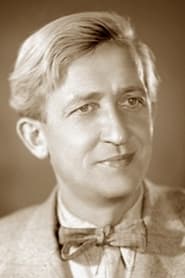
Leonid Pirogov
Actor
Born: March 24, 1908 in Moscow, Russian Empire Died: July 15, 1951 Active: 1939-1951 Birth Name: Leonid Nikolaevich Pirogov
Films
15 films
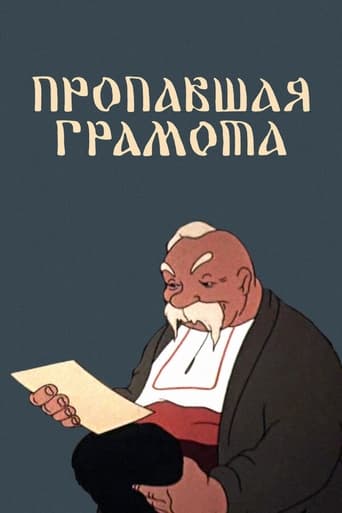
The Lost Letter
1945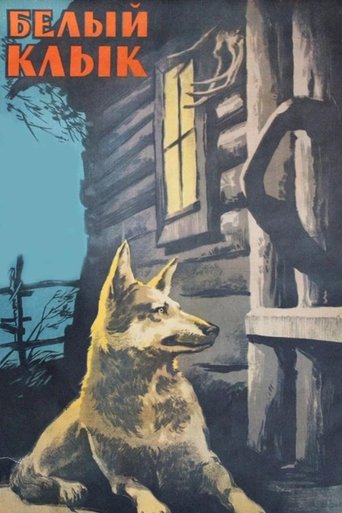
The White Fang
1946
Geese-Swans
1949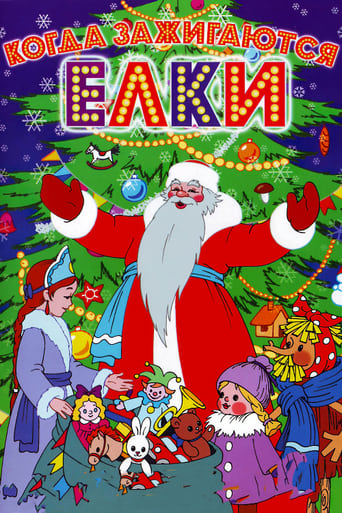
When Christmas Trees Light Up
1950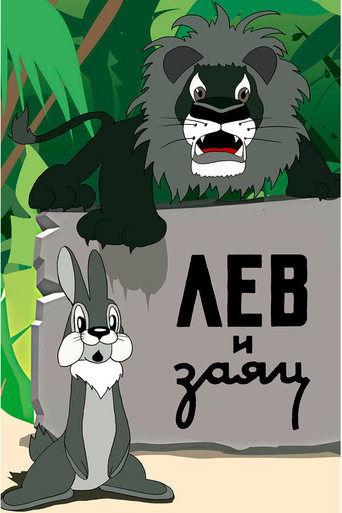
The Lion and the Hare
1949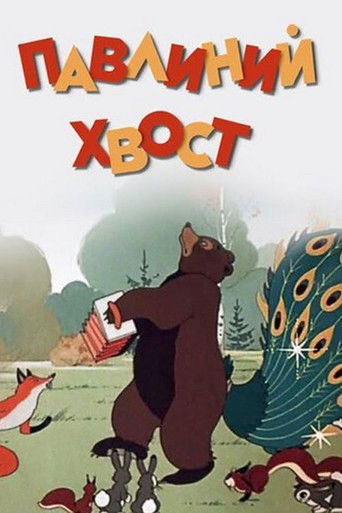
A Peacock's Tail
1946
The Heart of the Brave
1951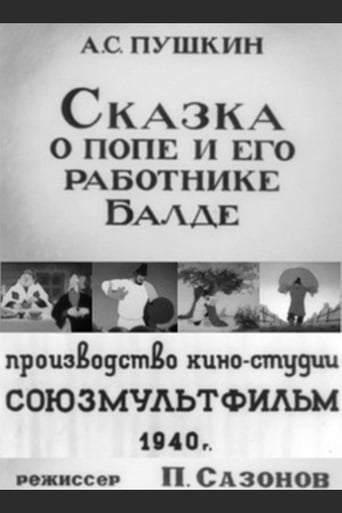
The Tale of the Priest and his Worker Balda
1940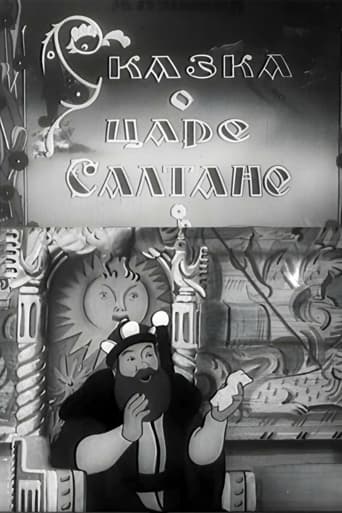
The Tale of Tsar Saltan
1943
Telephone
1944
Fear Has Big Eyes
1946
Limpopo
1939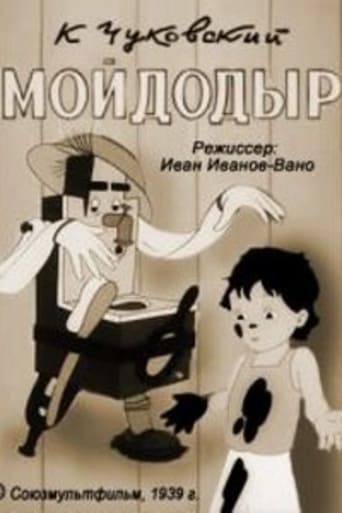
Wash-’em-Clean
1939
The Eagle's Feather
1946About Leonid Pirogov
Leonid Nikolaevich Pirogov — Soviet actor and bass-baritone singer who made significant contributions to both cinema and musical theater during the Stalin era. Born into a musical family, he developed his vocal talents early and graduated from the Moscow Conservatory before transitioning to acting. His breakthrough came with his role in the 1939 film 'Limpopo,' which showcased his unique ability to combine powerful vocal performance with compelling screen presence. Throughout the 1940s, Pirogov sang bass-baritone leads in Limpopo (1939) and Russian fairy-tale adaptations at the Bolshoi, particularly excelling in adaptations of Russian fairy tales and literary classics. His deep, resonant voice and commanding presence made him ideal for authoritative and paternal roles. Beyond film, he maintained an active career in opera and musical theater, performing at the prestigious Bolshoi Theatre. His career was cut short by his untimely death at age 43, but his legacy lives on through his memorable performances in classic Soviet films that continue to be celebrated today.
The Craft
On Screen
Pirogov was known for his powerful, theatrical acting style that combined his operatic training with cinematic performance. His deep, resonant voice and commanding physical presence made him particularly effective in authoritative and paternal roles. He brought a musicality to his line delivery, emphasizing rhythm and cadence in his speech. His performances were characterized by emotional intensity and a certain grandeur appropriate for the epic and fairy-tale narratives in which he often appeared.
Milestones
- Graduated from Moscow Conservatory
- Breakthrough role in 'Limpopo' (1939)
- Performed at Bolshoi Theatre
- Starred in 'The Tale of Tsar Saltan' (1943)
- Received Stalin Prize for artistic achievements
- Became People's Artist of the RSFSR
Best Known For
Iconic Roles
Must-See Films
Accolades
Won
- Stalin Prize, Second Class (1946)
- People's Artist of the RSFSR (1947)
- Order of the Red Banner of Labour
Nominated
- Stalin Prize nomination for film performances (multiple years)
Special Recognition
- Honored Artist of the RSFSR (1944)
- People's Artist of the RSFSR (1947)
Working Relationships
Worked Often With
Studios
Why They Matter
Impact on Culture
Leonid Pirogov played a significant role in shaping the golden age of Soviet musical cinema, particularly in the adaptation of Russian folklore and literature for the screen. His powerful voice and commanding presence helped establish a template for the Soviet musical film genre, blending traditional Russian musical elements with socialist realist aesthetics. His performances in fairy tale adaptations became cultural touchstones for generations of Soviet children, introducing them to classic Russian literature through accessible cinematic interpretations. Pirogov's work at the intersection of opera, theater, and film helped bridge these art forms in Soviet cultural production.
Lasting Legacy
Pirogov's legacy endures through his iconic performances in classic Soviet films that continue to be broadcast and celebrated in Russia and former Soviet republics. His recordings of operatic arias and film songs remain part of the Russian musical canon. Several of his films, particularly the fairy tale adaptations, are considered masterpieces of Soviet cinema and are regularly featured in retrospectives of classic Russian films. The Bolshoi Theatre maintains an archive of his performances, and his contributions to Russian musical theater are still studied by performers and scholars.
Who They Inspired
Pirogov influenced subsequent generations of Soviet and Russian performers who sought to combine musical and dramatic talents. His technique of integrating operatic vocal training with film acting became a model for musical theater performers in the Soviet Union. Many later Soviet musical films and fairy tale adaptations drew inspiration from the style and success of his collaborations with directors like Aleksandr Rou. His approach to character through voice and physical presence influenced acting pedagogy in Soviet theater schools.
Off Screen
Pirogov came from a family with strong musical traditions, which influenced his career path from an early age. He married fellow actress and singer Valentina Tokarskaya, with whom he often performed on stage and screen. The couple had one son, Nikolai, who also pursued a career in the arts. Despite his fame during his lifetime, Pirogov remained relatively private about his personal affairs, focusing primarily on his artistic work and contributions to Soviet culture.
Education
Moscow Conservatory, graduated with honors in vocal performance and opera
Family
- Valentina Tokarskaya (1930s-1951)
Did You Know?
- Pirogov was originally trained as an opera singer before transitioning to film
- His voice range was exceptionally wide for a bass-baritone, spanning nearly three octaves
- He performed in over 20 operas at the Bolshoi Theatre before focusing on film
- His death at age 43 was considered a major loss to Soviet cultural life
- Several of his films were restored and re-released in the 1970s to introduce new generations to his work
- He was one of the few Soviet actors to successfully bridge the gap between high art (opera) and popular cinema
- His performance in 'The Tale of Tsar Saltan' was personally praised by Stalin
- Pirogov recorded several popular songs that became radio hits in the 1940s
- He was known for his photographic memory and could learn complex musical scores in days
- Despite his fame, he lived modestly and donated much of his earnings to cultural institutions
In Their Own Words
The voice is not just an instrument, but the soul's messenger to the world
In every role, whether on stage or screen, I seek to find the music of the character's heart
Art must serve the people, but never compromise its truth
Fairy tales are not just for children - they carry the wisdom of generations
The greatest reward is not applause, but knowing you've touched someone's soul through your art
Frequently Asked Questions
Who was Leonid Pirogov?
Celebrated Soviet with credits in this catalog.
What films is Leonid Pirogov best known for?
Titles linked here include Limpopo (1939), The Tale of the Priest and his Worker Balda (1940).
When was Leonid Pirogov born and when did he die?
Born March 24, 1908; died July 15, 1951.
What awards did Leonid Pirogov win?
Pirogov received the Stalin Prize (Second Class) in 1946, was named People's Artist of the RSFSR in 1947, and was awarded the Order of the Red Banner of Labour for his contributions to Soviet culture.
What was Leonid Pirogov's acting style?
Pirogov combined his operatic training with cinematic performance, known for his powerful voice, commanding presence, and theatrical style that emphasized emotional intensity and musicality in his delivery.
Did Leonid Pirogov work in theater as well as film?
Yes, Pirogov had an extensive career in opera and musical theater, performing at the prestigious Bolshoi Theatre in over 20 operas before and during his film career.
What was Leonid Pirogov's cultural impact?
Pirogov significantly influenced Soviet musical cinema, particularly in adapting Russian folklore and literature, creating enduring cultural touchstones that introduced generations to classic Russian stories through film.