

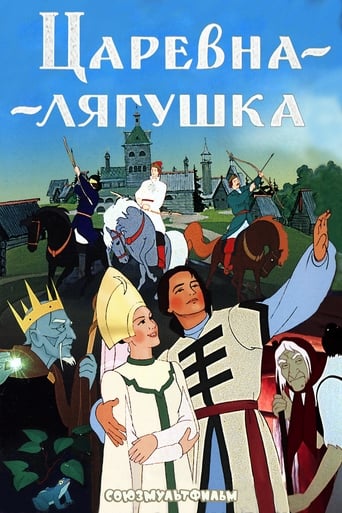
The Tale of the Priest and his Worker Balda
"A self-loving and arrogant priest"
Keys: Space play/pause · ←/→ 10s · F fullscreen · M mute · </> speed
About this film
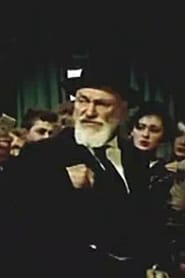
A self-loving and arrogant priest, strolling through the market square, is looking for a "cook, stable boy and carpenter" who would work for him diligently and a lot, and take only a little money for it. He meets a brave young man, Balda, who is hired as a servant by the popes fo. "The Tale of the Priest and of his Workman Balda" (Russian: «Сказка о попе и о работнике его Балде», romanized: Skazka o pope i o rabotnike yego Balde) is a fairy tale in verse by Alexander Pushkin. Pushkin wrote the tale on September 13, 1830, while staying at Boldino. It is based on a Russian folk tale which Pushki…
Cast & crew
More films like this
More Animation films
View all →



More from Panteleymon Sazonov
View all →
More about this film
About the production
Release date1940
ProductionSoyuzdetfilm
Filmed inMoscow, Soviet Union
This was one of the earliest Soviet animated feature films, created using traditional hand-drawn animation techniques. The production team worked under the constraints of wartime resources, yet managed to create a visually rich adaptation that captured the essence of Pushkin's satirical poem. The animation style was influenced by traditional Russian folk art and lubok prints, giving the film a distinctively national character.
Themes
Social justiceCleverness vs. authorityGreed and its consequencesFolk wisdomAnti-clericalism
Themes & topics
Historical background
By 1940, sound cinema, wartime mobilization, and changing censorship norms were reshaping what audiences expected from narrative features. Archival sources describe The Tale of the Priest and his Worker Balda as russian fairy-tale. Contemporary context can be traced through sources such as the Wikipedia article on The Tale of the Priest and of His Workman Balda.
Why this film matters
The Tale of the Priest and his Worker Balda remains part of the screen heritage of its era, offering evidence of prevailing genres, production methods, and audience tastes. Later revivals, archive screenings, and digitization have kept such titles accessible to researchers and dedicated viewers long after their first commercial runs.
Making of
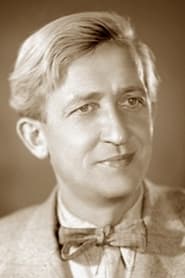
The production of this animated adaptation faced numerous challenges typical of Soviet filmmaking in the 1940s. The animation team at Soyuzdetfilm worked with limited resources and outdated equipment, yet managed to create a film that captured the satirical essence of Pushkin's poem. Director Panteleymon Sazonov, who had experience in both live-action and animation, insisted on maintaining the poem's rhythmic structure in the film's pacing. The voice actors, including Leonid Pirogov as the priest and Andrei Tutyshkin as Balda, were drawn from Moscow's prestigious theater community, bringing dramatic depth to their animated performances. The character designs were heavily influenced by Russian folk art traditions, particularly the lubok style of popular prints. The animation team worked to ensure that each frame reflected the poem's blend of humor and social commentary, a delicate balance given the political sensitivities of the time.
What critics said
Reception records for The Tale of the Priest and his Worker Balda are uneven; interest today is concentrated among archivists, historians, and viewers of older cinema. Modern assessment tends to emphasize historical value, craft, and cultural context rather than box-office performance.
Did you know?
- This film is based on Alexander Pushkin's 1830 fairy tale poem 'The Tale of the Priest and of His Workman Balda,' one of Russia's most beloved literary works
- The film was released just before the Soviet Union entered World War II, making it one of the last major cultural productions of the pre-war era
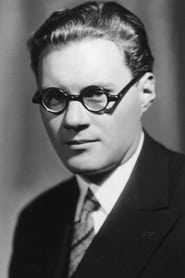
- Director Panteleymon Sazonov was a pioneering figure in Soviet animation, though this would be one of his final major works
- The character of Balda became an iconic figure in Soviet animation, representing the clever common man who outwits authority
- The film's satirical approach to religious authority was unusual for its time, reflecting the Soviet state's official position on religion
- The animation techniques used were relatively primitive by modern standards but innovative for Soviet cinema of the 1940s
- The voice cast included prominent Soviet theater actors, bringing theatrical gravitas to the animated characters
- The film was part of a broader Soviet effort to adapt classic Russian literature for mass audiences through animation
- Despite its anti-clerical themes, the film was praised for its artistic merit and faithfulness to Pushkin's spirit
- The original poem was written by Pushkin in just one day, though the film adaptation took months of painstaking animation work
Visual style
The animation employed traditional hand-drawn techniques characteristic of early Soviet animation. The visual style was heavily influenced by Russian folk art, particularly lubok prints with their bold lines and flat color areas. The character designs emphasized expressive features and exaggerated movements to convey the story's satirical nature. Backgrounds incorporated traditional Russian architectural elements and landscape motifs. The animation team used cel animation techniques, with each frame hand-drawn and painted. The color palette was rich and vibrant, despite the technical limitations of the time. Movement sequences were carefully choreographed to match the rhythmic quality of Pushkin's original verse.
Innovations
For its time, the film represented a significant technical achievement in Soviet animation. The production team successfully adapted complex literary material to the animated medium, maintaining the poem's narrative structure and satirical tone. The synchronization of voice acting with animation was accomplished using relatively primitive equipment, yet achieved impressive results. The film's color work was notable for the period, with careful attention to creating a cohesive visual palette. The animation team developed techniques for conveying character emotions through limited animation resources. The film demonstrated that feature-length animation was feasible within the Soviet production system, paving the way for future animated features.
Music
The musical score was composed to complement the film's folk-inspired visual style, incorporating elements of traditional Russian folk music. The soundtrack featured original compositions that echoed the rhythms and melodies of Russian folk songs. The voice work was synchronized with the animation using the limited sound technology available in 1940. Sound effects were created manually in the studio, using various objects to produce the necessary noises for the story. The musical elements helped establish the fairy tale atmosphere and emphasized the story's moral moments. The score, while not revolutionary, effectively supported the narrative and enhanced the film's emotional impact.
Famous quotes
I'll work for you for a year, and for payment - three slaps on the forehead!" - Balda's famous bargain
Oh, Balda, Balda, what have I gotten myself into with you!" - The Priest's lament
The devil is not as terrible as he is painted" - Traditional Russian proverb referenced in the film
Memorable scenes
- The opening market scene where the arrogant priest searches for a cheap servant, establishing the story's social commentary
- Balda's introduction where he confidently accepts the unusual payment arrangement, showcasing his character's cleverness
- The sequence where Balda outwits the devils, demonstrating his supernatural cleverness and strength
- The climactic scene where the priest finally receives his three slaps, delivering the story's moral justice
What audiences thought
The film was well-received by Soviet audiences upon its release, particularly those familiar with Pushkin's original poem. Children and adults alike appreciated the humor and the satisfying moral of the story. The character of Balda proved especially popular, becoming a familiar figure in Soviet popular culture. The film's relatively short runtime and engaging story made it suitable for various screening contexts, from dedicated cinema showings to educational screenings in schools. Audience members often praised the film's visual style and the memorable performances of the voice actors. The film's anti-authoritarian themes resonated with viewers, though always within the acceptable bounds of Soviet ideology.
Film connections
Influenced by
- Pushkin's original 1830 poem
- Russian folk tales
- Lubok folk art tradition
- Soviet realist art principles
This film influenced
- Later Soviet animated adaptations of Pushkin works
- Soviet fairy tale animations of the 1940s-1950s
Film restoration
The film has been preserved in the Russian State Film Archive (Gosfilmofond). While some deterioration has occurred over the decades, the film remains viewable and has been digitized for archival purposes. Restoration efforts have been undertaken to preserve this important piece of Soviet animation history.
Where to watch
- Available on Russian film archive websites
- Included in Soviet animation collections
- Accessible through specialized classic film streaming platforms
- Available for viewing at film archives and museums specializing in Soviet cinema