
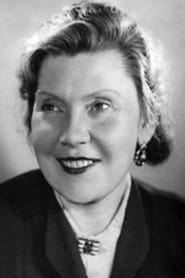
Yelena Tyapkina
Actor
Born: April 28, 1907 in Moscow, Russian Empire Died: November 30, 1984 Active: 1934-1945 Birth Name: Yelena Ivanovna Tyapkina
Films
9 films

About Yelena Tyapkina
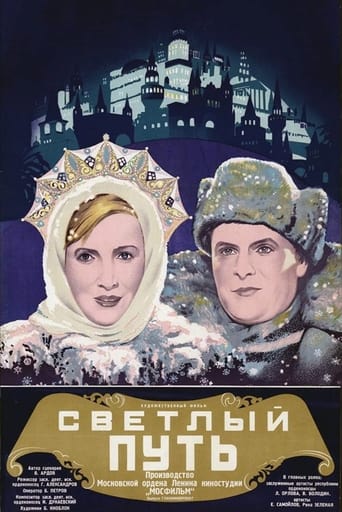
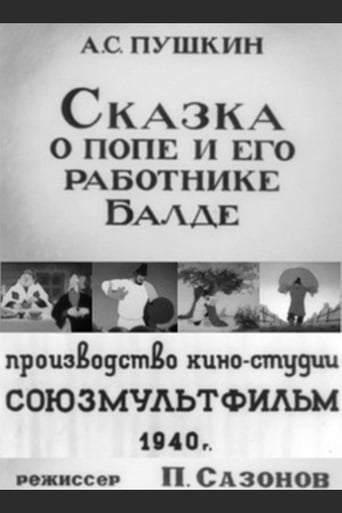
Prominent Soviet actress: the crucial period of Stalinist cinema from the mid-1930s through World War II. She began her film career with a memorable role in the musical comedy 'Jolly Fellows' (1934), which helped establish her as a versatile character actress. Throughout her decade-long career, Tyapkina became known for her ability to embody both comedic and dramatic roles, often playing strong-willed women, mothers, and working-class characters that aligned with Soviet ideological ideals. Her performances in films like 'The Shining Path' (1940) and 'The Tale of the Priest and his Worker Balda' (1940) showcased her range and commitment to the socialist realist aesthetic that dominated Soviet cinema of the era. Tyapkina worked with some of the most important Soviet directors of her time, contributing significantly to the cultural landscape of wartime and pre-war Soviet cinema. Her career, though relatively brief, on the golden age of Soviet film, with her performances remaining examples of the acting style and thematic concerns of this pivotal period in Russian cinema history.
The Craft
On Screen
Tyapkina's acting style was characteristic of the socialist realist school, emphasizing clear emotional expression and ideological clarity in her performances. She possessed a remarkable ability to transition between comedic timing and dramatic gravitas, often embodying the ideal Soviet woman - strong, resilient, and dedicated to collective goals. Her technique featured broad but controlled gestures, expressive facial work, and a distinctive vocal delivery that projected both warmth and authority. Tyapkina approached her roles with a methodical dedication to character authenticity, whether playing working-class heroines or maternal figures, bringing psychological depth to archetypal Soviet characters.
Milestones
- Breakthrough role in 'Jolly Fellows' (1934)
- Notable performance in 'The Shining Path' (1940)
- Role in 'The Tale of the Priest and his Worker Balda' (1940)
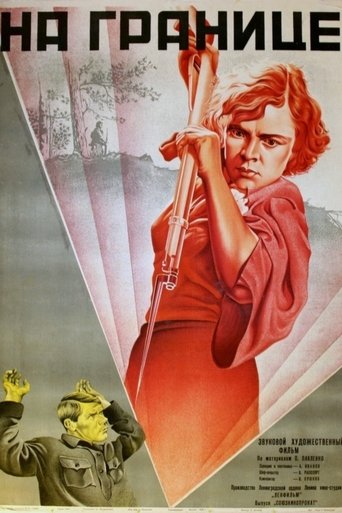
- Performance in 'Soviet Border' (1938)
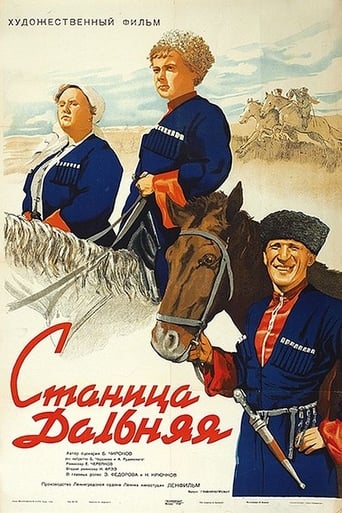
- Work in 'Станица Дальняя' (1939)
Best Known For
Iconic Roles
Must-See Films
Accolades
Won
- Honored Artist of the RSFSR (1945)
Special Recognition
- Order of the Badge of Honour
- Medal 'For Valiant Labour in the Great Patriotic War 1941-1945'
Working Relationships
Worked Often With
Studios
Why They Matter
Impact on Culture
Yelena Tyapkina's work contributed significantly to the development of Soviet cinema's golden age, particularly in establishing the archetype of the strong Soviet woman on screen. Her performances in films like 'Jolly Fellows' helped define the musical comedy genre in Soviet cinema, while her dramatic roles reinforced socialist realist ideals. Tyapkina's ability to embody both humor and pathos made her a bridge between the experimental early Soviet cinema of the 1920s and the more ideologically rigid films of the Stalin era. Her characters often represented the ideal Soviet citizen - resilient, optimistic, and devoted to collective progress - serving as cultural models for audiences during a period of tremendous social and political transformation.
Lasting Legacy
Yelena Tyapkina's legacy endures through her preserved film works, which continue to be studied as examples of Soviet socialist realist cinema at its most artistically accomplished. Her performances are frequently cited by film historians as representative of the acting style and thematic concerns of Soviet cinema during the 1930s-1940s. Tyapkina's work, particularly in 'Jolly Fellows,' remains influential in understanding how Soviet cinema balanced entertainment with ideological messaging. Her career serves as a case study in how actors navigated the demanding artistic and political requirements of the Stalinist cultural system while maintaining artistic integrity and popular appeal.
Who They Inspired
Tyapkina influenced subsequent generations of Soviet actresses through her demonstration of how to create complex characters within the constraints of socialist realism. Her technique of blending naturalistic emotion with theatrical projection became a model for performers working in state-sponsored cinema. Younger actors studied her ability to convey ideological messages through authentic human emotions rather than mere propaganda. Her work in musical comedies particularly influenced how Soviet actresses approached comedic roles, showing how humor could serve both entertainment and educational purposes in cinema.
Off Screen
Yelena Tyapkina maintained a relatively private personal life despite her public career in Soviet cinema. She was married to fellow actor Nikolai Khryashchikov, with whom she sometimes shared the screen. The couple had one child together. Tyapkina was known among her colleagues for her professionalism and dedication to her craft, often studying extensively for her roles. Her later years were spent away from the public eye, though she remained respected within the Soviet artistic community until her death in 1984.
Education
Graduated from the State Institute of Theatre Arts (GITIS) in the early 1930s
Family
- Nikolai Khryashchikov (1930s-1970s)
Did You Know?
- Was one of the few actresses to successfully transition from silent film techniques to sound cinema in the Soviet Union
- Her role in 'Jolly Fellows' was her film debut and immediately established her as a rising star
- Worked extensively during World War II, appearing in several wartime propaganda films
- Was known among colleagues for her meticulous preparation and extensive research for each role
- Received state honors for her contributions to Soviet cinema during the Great Patriotic War
- Her performance in 'The Shining Path' was particularly praised for its authentic portrayal of a working woman
- Retired from acting relatively early, focusing on teaching at theatrical institutions in her later years
- Was part of the first generation of Soviet actors trained exclusively in the Stanislavsky system
- Her films were sometimes screened internationally as examples of Soviet cultural achievement
- Maintained friendships with many prominent Soviet cultural figures throughout her life
In Their Own Words
Acting is not just performing, it's serving the people and their ideals
Every role, whether comic or tragic, must have truth at its heart
The camera sees everything - you must bring your complete self to every performance
In Soviet cinema, we don't just entertain, we build the future through art
Frequently Asked Questions
Who was Yelena Tyapkina?
Prominent Soviet actress active from 1934-1945, known for her roles in classic Soviet films including 'Jolly Fellows' and 'The Shining Path'. She was recognized for her versatility in both comedic and dramatic roles, embodying the ideals of socialist realist cinema during the Stalin era.
What films is Yelena Tyapkina best known for?
Titles linked here include Jolly Fellows (1934), The Shining Path (1940).
When was Yelena Tyapkina born and when did she die?
Born April 28, 1907; died November 30, 1984.
What awards did Yelena Tyapkina win?
Tyapkina was named an Honored Artist of the RSFSR in 1945, received the Order of the Badge of Honour, and was awarded the Medal 'For Valiant Labour in the Great Patriotic War 1941-1945' for her contributions to Soviet cinema during wartime.
What was Yelena Tyapkina's acting style?
Tyapkina's acting style was characteristic of socialist realism, featuring clear emotional expression and ideological clarity. She excelled at transitioning between comedy and drama, using controlled gestures and expressive delivery to embody strong Soviet women and working-class heroes while maintaining psychological depth within the constraints of the era's artistic requirements.