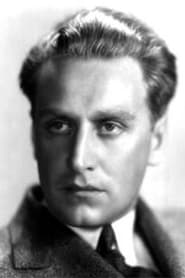
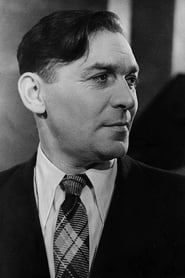
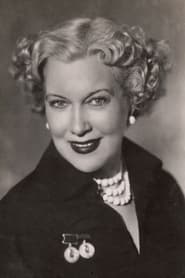

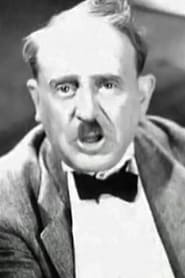

Jolly Fellows
"Odessa shepherd mistaken for a concert star"
Keys: Space play/pause · ←/→ 10s · F fullscreen · M mute · </> speed
About this film
Merry Fellows was the first Soviet musical comedy. Set in Odessa and Moscow in the 1930s. Shepherd Kostya Potekhin (Utyosov) is mistaken for an international concert star.
Cast & crew
More films like this
More Music films
View all →
More from Grigori Aleksandrov
View all →


More about this film
About the production
Release dateDecember 24, 1934
Budget1.2 million rubles (estimated)
Box officeHighly successful - one of the highest-grossing Soviet films of 1934 with over 20 million viewers in its first year
ProductionMosfilm, Mezhrabpomfilm
Filmed inMoscow, Soviet Union, Odessa, Ukrainian SSR, Moscow Film Studio (Mosfilm)
The film was shot during a critical period of Soviet cultural policy when Socialist Realism was becoming the mandated artistic style. Director Grigori Aleksandrov had to carefully balance Western musical comedy influences with Soviet ideological requirements. The production faced challenges from cultural conservatives who viewed jazz music as 'bourgeois decadence.' The elaborate musical numbers required innovative camera techniques and sound recording methods that were pioneering for Soviet cinema. The film's success helped establish the musical comedy genre in Soviet cinema and launched the careers of both Utyosov and Orlova.
Themes
Love and romanceMistaken identityArt and authenticityCollective joy and celebrationThe power of music
Themes & topics
shepherdmistaken identityjazz bandconductorcircus performermusic hallBolshoi TheatreOdessaMoscowmusical comedylove storydeceptionrevelation
Historical background
Made during the studio era of 1934, Jolly Fellows reached audiences through theatrical programs, fairground booths, or specialized distribution channels typical of its generation. Merry Fellows was the first Soviet musical comedy. Set in Odessa and Moscow in the 1930s. Shepherd Kostya Potekhin. Historians now read such works for what they reveal about production methods, national taste, and the expanding vocabulary of screen narrative.
Why this film matters
Archivists and programmers still screen Jolly Fellows when tracing how popular entertainment evolved. Its subject—merry fellows was the first soviet musical comedy. set in odessa and moscow in the 1930s. shepherd—gives later viewers tangible evidence of what drew crowds in its day. Home video, restorations, and festival sidebars keep the title circulating among students of film history.
Making of
The making of 'Jolly Fellows' was a revolutionary undertaking in Soviet cinema. Director Grigori Aleksandrov had studied with Sergei Eisenstein and worked in Hollywood, bringing Western musical comedy techniques to Soviet filmmaking. The casting was unconventional - Leonid Utyosov was a popular jazz musician with no acting experience, while Lyubov Orlova was a classically trained singer making her film debut. Their chemistry was so genuine that they married during production. The musical numbers required complex choreography and camera movements that were technically challenging for Soviet studios at the time. The film's jazz soundtrack was controversial, as jazz was often viewed with suspicion by Soviet cultural authorities. However, Aleksandrov managed to 'Sovietize' the jazz by incorporating folk melodies and revolutionary themes, making it acceptable to the censors. The production team worked closely with Utyosov's real jazz orchestra to ensure authenticity in the musical performances.
What critics said
Original trade coverage treated Jolly Fellows as routine program filler rather than a landmark production—typical of steady studio output. Later criticism emphasizes preservation, stylistic comparison with contemporaries, and whatever cast or crew names later gained prominence. Contemporary writing is mostly historical: assessing completeness, influence, and place in a director's or studio's catalog.
Did you know?
- This was the first Soviet musical comedy film, creating an entirely new genre in Soviet cinema
- Leonid Utyosov was not a professional actor but a famous jazz singer and bandleader in real life
- Lyubov Orlova married director Grigori Aleksandrov during the filming of this movie
- The film was initially criticized by Soviet cultural authorities for its 'Western influences' and 'light entertainment' approach
- Stalin personally approved the film after viewing it, which helped ensure its success and distribution
- The jazz band in the film was Utyosov's real orchestra, 'Tea Jazz', especially popular in the Soviet Union
- The famous 'Heart' song from the film became a nationwide hit and is still recognized in Russia today
- The film's success led to two sequels: 'Volga-Volga' (1938) and 'The Bright Path' (1940)
- The Odessa Music Hall scenes were filmed on elaborate sets that took months to construct
- The film was one of the first Soviet productions to use dubbing for musical numbers
Awards & recognition
- Order of Lenin awarded to director Grigori Aleksandrov (1935)
- Stalin Prize (First Class) for Grigori Aleksandrov and Leonid Utyosov (1941)
- People's Artist of the USSR title awarded to Lyubov Orlova (1950)
Visual style
The cinematography, handled by Vladimir Nilsson and Boris Volchek, was innovative for its time. The film employed dynamic camera movements during musical numbers, including sweeping cranes and tracking shots that followed the dancers and musicians. The use of multiple cameras for musical sequences was groundbreaking in Soviet cinema. The black and white photography featured high-contrast lighting that emphasized the glamorous aspects of the performances while maintaining a documentary-like realism in other scenes. The Odessa Music Hall sequences featured elaborate lighting designs that created a theatrical atmosphere. The cinematography successfully balanced the intimate character moments with the spectacular musical numbers, using different visual styles for each type of scene.
Innovations
The film pioneered several technical innovations in Soviet cinema. It was one of the first Soviet films to use synchronized sound for complex musical numbers, requiring new recording techniques and equipment. The production developed new methods for microphone placement during musical performances to capture both singing and ambient sound. The film's editing techniques, particularly in the musical sequences, were influenced by American musicals but adapted for Soviet audiences. The elaborate sets for the Music Hall scenes featured movable platforms and advanced lighting systems that were technically sophisticated for the time. The film also experimented with early forms of dubbing to ensure perfect synchronization in the musical numbers.
Music
The soundtrack was revolutionary for Soviet cinema, featuring original songs by composer Isaak Dunayevsky and poet Vasily Lebedev-Kumach. The most famous song, 'Heart' (Serdtse), became an instant classic and remains widely recognized Russian songs of all time. The jazz arrangements were provided by Leonid Utyosov's orchestra, ensuring authenticity in the musical performances. The soundtrack blended jazz influences with Russian folk melodies and Soviet revolutionary songs, creating a unique musical hybrid. The film featured approximately 15 musical numbers, ranging from upbeat jazz pieces to romantic ballads. The sound recording techniques used were advanced for the Soviet film industry, with careful attention paid to the balance between dialogue and music.
Famous quotes
A heart that doesn't love is like a violin that doesn't play!
Music is the international language of the working class!
Even a shepherd can conduct an orchestra if his heart is in the right place!
In Soviet Russia, everyone can be a star if they have talent and dedication!
Jazz is not bourgeois music - it's the rhythm of the modern worker!
Memorable scenes
- The opening sequence where Kostya leads his sheep while singing and playing his pipe, establishing his musical talent and cheerful nature
- The mistaken identity scene at the hotel where Kostya is first confused with the famous conductor
- The elaborate 'Heart' musical number in the Odessa Music Hall with complex choreography and orchestral performance
- The final concert at the Bolshoi Theatre where Kostya must prove his conducting abilities to the skeptical audience
- The romantic duet between Kostya and Anyuta on the Odessa waterfront, combining jazz with traditional Russian melodies
What audiences thought
The film was an enormous popular success, drawing millions of viewers across the Soviet Union. Audiences were thrilled by the musical numbers and the charismatic performances of Utyosov and Orlova. The film's songs became instant hits that were sung throughout the country. Movie theaters were often filled to capacity, with some reports of people lining up for hours to see the film. The movie's popularity extended beyond urban centers to rural areas, where traveling projectionists brought the film to collective farms. The film's success was so overwhelming that it was re-released multiple times and remained in circulation for many years. Even decades after its release, the film retained nostalgic value for Soviet audiences who remembered it as a symbol of a more optimistic era.
Film connections
Influenced by
- American musical comedies of the early 1930s
- Busby Berkeley musicals
- Marx Brothers comedies
- Soviet avant-garde cinema of the 1920s
- Hollywood studio system production methods
This film influenced
- Volga-Volga (1938)
- The Bright Path (1940)
- Cuban Caper (1947)
- The Nightingale (1936)
- The Girl with a Hat (1937)
Film restoration
The film has been well-preserved by the Gosfilmofond of Russia (State Film Archive). Multiple restoration projects have been undertaken, most notably in the 1970s and again in 2005 for the film's 70th anniversary. The original nitrate negatives have been carefully preserved and transferred to modern safety film stock. Digital restoration was completed in 2015 as part of a comprehensive Soviet cinema preservation project. The film remains accessible through various archives and has been released on DVD and Blu-ray with restored picture and sound quality.
Where to watch
- Mosfilm official website with English subtitles
- Kino Klassika streaming platform
- Russian Film Archive streaming service
- Criterion Channel (occasionally featured in Soviet cinema collections)
- Various DVD releases from Russian cinema distributors
- YouTube (official Mosfilm channel with English subtitles)
- MUBI (during Soviet cinema retrospectives)