Lyubov Orlova
Actor
Born: January 29, 1902 in Zvenigorod, Russian Empire Died: January 26, 1975 Active: 1933-1947 Birth Name: Lyubov Petrovna Orlova
Films
8 films

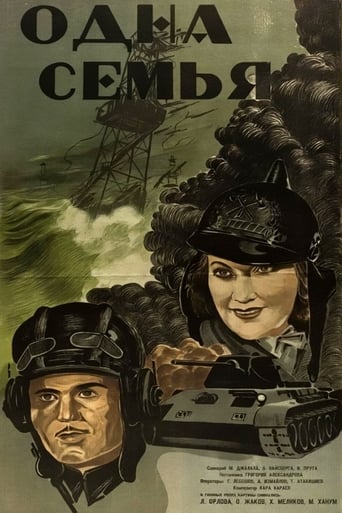
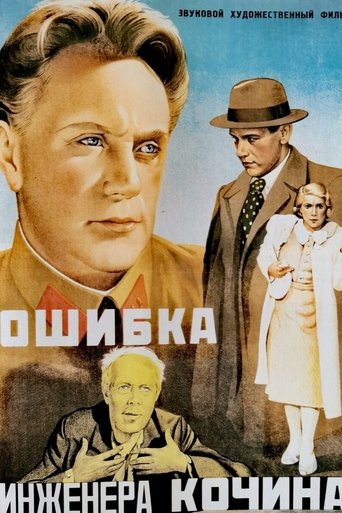
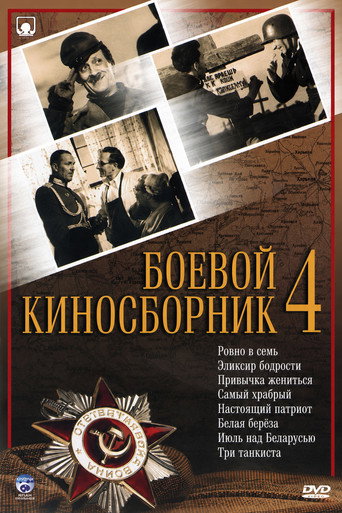
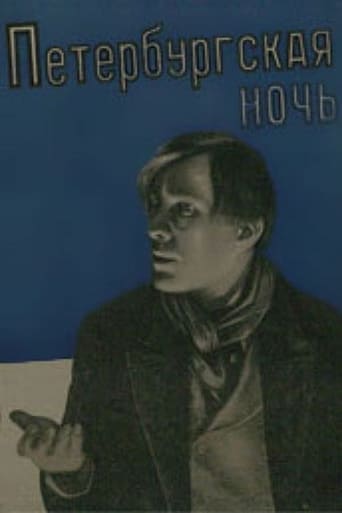
About Lyubov Orlova
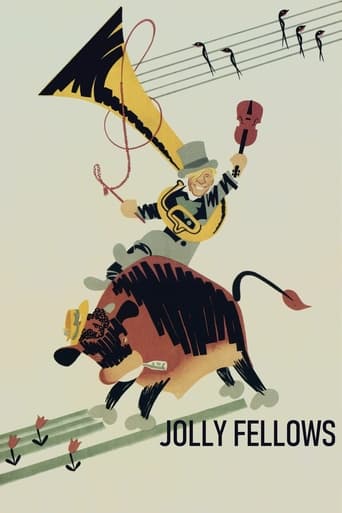
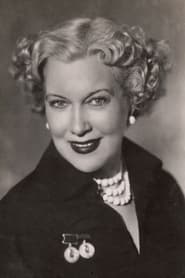
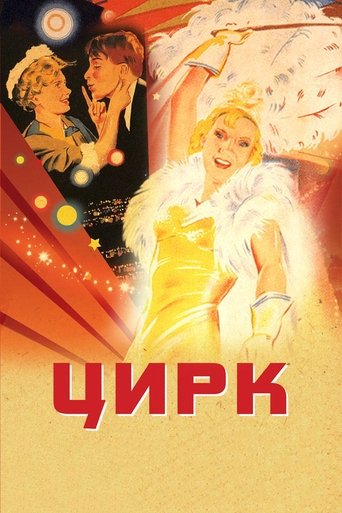
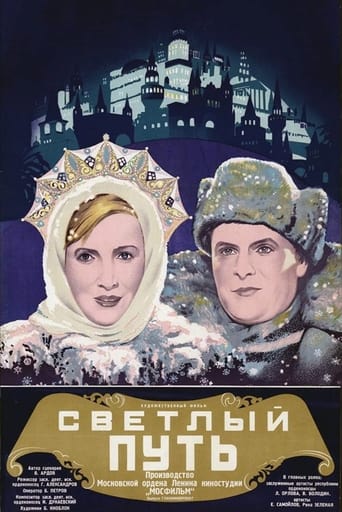
Lyubov Petrovna Orlova was beloved and recognizable stars of Soviet cinema, celebrated for her radiant screen presence, musical talent, and ability to embody the optimistic spirit of the 1930s and 1940s. Born into a cultivated family in Zvenigorod, she studied music and performance before building a stage career that led her into film at the beginning of the sound era. Her breakthrough came with Grigori Alexandrov's musical comedies, especially Jolly Fellows, Circus, and Volga-Volga, which made her a national icon and established the template for the cheerful, elegant, modern Soviet heroine. Orlova's screen persona combined sophistication, physical grace, comic timing, and strong vocal and musical performance, allowing her to dominate Soviet musical cinema for more than a decade. She worked repeatedly with director and husband Grigori Alexandrov, becoming the definitive star of his propaganda-inflected musical entertainments and helping shape the style of the Soviet musical film. Although her film career slowed after the war, she remained an enduring cultural symbol, later celebrated in theater, popular memory, and retrospective film history as one of the great actresses of early Soviet sound cinema.
The Craft
On Screen
Orlova's acting style was polished, elegant, and highly disciplined, blending stage-trained precision with luminous screen charisma. She excelled at musical comedy, using expressive movement, clear diction, musical phrasing, and controlled facial expression to create characters who felt both accessible and aspirational. Her performances often emphasized brightness, resourcefulness, and moral confidence, matching the optimistic tone of Soviet musical films of the era. She had a rare ability to combine comic timing with sophistication, which made her especially effective in ensemble scenes and musical set pieces.
Milestones
- Rose to stardom with Jolly Fellows, one of the defining Soviet musical films of the 1930s
- Became the central star of Grigori Alexandrov's popular musical comedies Circus and Volga-Volga
- Helped establish the glamorous, modern female ideal in Soviet screen culture
- Performed in films that combined comedy, music, spectacle, and ideological optimism
- Achieved lasting fame as the leading female star of early Soviet sound cinema
- Received major state recognition and became
Best Known For
Iconic Roles
Must-See Films
Accolades
Won
- Stalin Prize, First Class (for Circus)
- Stalin Prize, First Class (for Volga-Volga)
- Stalin Prize, First Class (for Spring)
- Order of Lenin
- People's Artist of the USSR
Nominated
- No formal Academy Award-style nominations are known for Soviet film awards of this period
Special Recognition
- People's Artist of the USSR
- Order of Lenin
- Order of the Red Banner of Labour
- Multiple Stalin Prize honors
- Enduring status as one of the greatest stars of Soviet cinema
Working Relationships
Worked Often With
Studios
Why They Matter
Impact on Culture
Lyubov Orlova became one of the defining faces of Soviet popular culture in the Stalin era, representing glamour, energy, and confident modernity in a period when cinema was expected to entertain as well as inspire. Her roles in Jolly Fellows, Circus, and Volga-Volga helped establish the Soviet musical comedy as a major mass-entertainment form and demonstrated that Soviet films could be both ideologically aligned and genuinely popular with audiences. She was admired for projecting a rare combination of elegance and accessibility, making her a bridge between theatrical refinement and mass cinematic appeal. Her image was so widely recognized that she became a cultural shorthand for the idealized Soviet woman: talented, disciplined, cheerful, and socially useful.
Lasting Legacy
Orlova's legacy rests on her status as the first true female superstar of Soviet sound cinema and as the face of the country's most celebrated prewar musical films. Her collaborations with Alexandrov remain essential texts in the history of Soviet screen comedy, and her performances are still studied for their blend of performance discipline, musicality, and state-era mythmaking. She helped define the aesthetics of the Soviet studio system at a moment when films were expected to model optimism and collective vitality, and she did so with a charisma that transcended propaganda. Decades after her death, she remains a symbol of classic Soviet stardom, remembered not only for her films but also for the glamour and poise she brought to the cultural imagination of an entire era.
Who They Inspired
Orlova influenced later generations of performers by proving that a Soviet film star could be both politically acceptable and deeply glamorous. Her image shaped the casting, costuming, and performance style of subsequent musical-comedy heroines in Soviet film and television. Directors and actors studying early Soviet sound cinema continue to cite her as a benchmark for screen presence, vocal delivery, and controlled physical expressiveness. Her legacy also influenced popular memory beyond cinema, as she became an enduring cultural icon associated with refinement, optimism, and the golden age of Soviet musical film.
Off Screen
Lyubov Orlova came from an educated family and was raised in an environment that valued culture, music, and public service. She studied music and stage performance and initially pursued a career in theater and operetta before becoming a film star. Her best-known marriage was to director Grigori Alexandrov, with whom she collaborated professionally on several of her most important films and who helped shape her cinematic image. She was known for maintaining a disciplined public persona and for being highly professional on set, and her life was often discussed in relation to the carefully managed image of Soviet celebrity. Biographical accounts describe her as private about intimate matters, with her public identity centered more on artistry, elegance, and patriotic cultural representation than on personal scandal.
Education
She studied music and performance in Moscow; detailed institutional records vary in summary sources, but she received professional artistic training before entering film and stage work.
Family
- Andrei Berezin (early marriage; dates not firmly documented in widely available summaries)
- Grigori Alexandrov (1934-1975)
Did You Know?
- She was.
- Her screen persona often emphasized elegance, intelligence, and cheerful resilience.
- Jolly Fellows helped make her a national celebrity and established her as a major musical-comedy star.
- She frequently worked with her husband, director Grigori Alexandrov, in films tailored to her talents.
- She was also a trained singer, and music was central to her screen appeal.
- Her name became closely associated with the idealized image of the Soviet woman in popular culture.
- She remained a beloved cultural figure long after her film career slowed.
- Her films are among the most important examples of early Soviet sound musical comedy.
In Their Own Words
No reliably sourced verbatim quotes are widely standardized in major English-language references for Lyubov Orlova.
Her fame rests more on her performances and public image than on a widely quoted body of preserved sayings.
Frequently Asked Questions
Who was Lyubov Orlova?
Major Soviet film actress, singer, and cultural icon best known for her work in early sound musical comedies. She became.
What films is Lyubov Orlova best known for?
Titles linked here include Jolly Fellows, Circus.
When was Lyubov Orlova born and when did she die?
Born January 29, 1902; died January 26, 1975.
What awards did Lyubov Orlova win?
Her major honors included the Stalin Prize, the Order of Lenin, the Order of the Red Banner of Labour, and the title People's Artist of the USSR. These recognitions reflected both her popularity and her importance to Soviet cultural life.
What was Lyubov Orlova's acting style?
Orlova's style was elegant, disciplined, and highly musical, with strong control over movement, expression, and vocal delivery. She excelled in roles that required glamour, comic timing, and an optimistic screen presence.
What is Lyubov Orlova's legacy in film history?
Her legacy is that of the first great female superstar of Soviet sound cinema and the defining face of its musical-comedy tradition. She remains important for showing how Soviet films could merge entertainment, glamour, and ideological messaging while still creating a genuinely beloved star.