
Mariya Strelkova
Actor
Born: 1912 in Russian Empire Died: null Active: 1930-1936 Birth Name: Mariya Ivanovna Strelkova
Films
3 films
About Mariya Strelkova
Soviet actress who emerged during the transition from silent films to talkies in the early 1930s Soviet cinema. She began her career at a pivotal time when Soviet film industry was establishing its identity and producing some of its most memorable early sound productions. Strelkova appeared in several significant Soviet films of the 1930s, working alongside some of the era's most prominent directors and actors. Her most notable roles came in musical comedies and adventure films that became classics of Soviet cinema. Despite her relatively brief film career spanning roughly six years, she made memorable contributions to three of the era's most significant Soviet productions. Her performances captured the optimistic spirit and artistic experimentation characteristic of early Soviet sound cinema. After her active period in films from 1930-1936, she gradually faded from the cinematic spotlight, as was common for many supporting actors of that era.
The Craft
On Screen
Strelkova's acting style was characteristic of early Soviet cinema, blending theatrical expressiveness with the emerging naturalism of sound films. She had a particular talent for comedy, bringing warmth and charm to her supporting roles in musical productions. Her performances often embodied the optimistic, collective spirit promoted in Soviet cultural productions of the 1930s.
Milestones
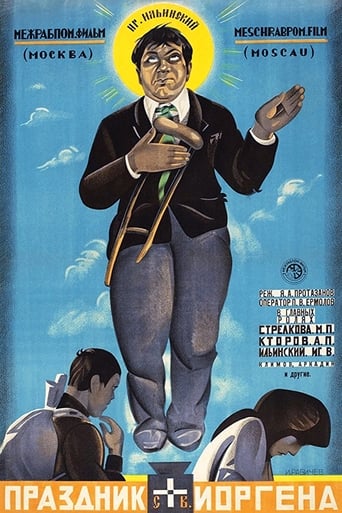
- Film debut in St. Jorgen's Day (1930)
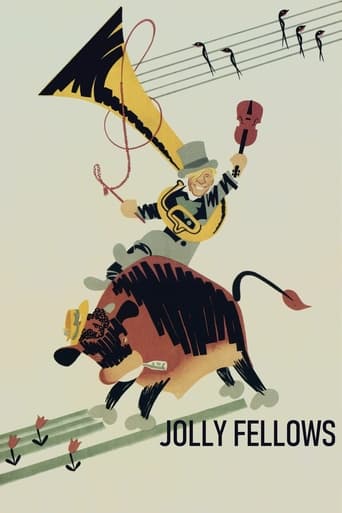
- Breakthrough role in Jolly Fellows (1934)
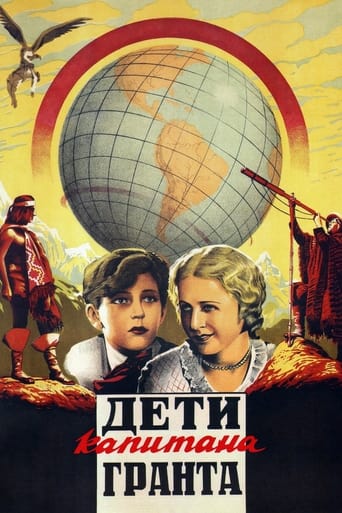
- Supporting role in Capt. Grant's Family (1936)
Best Known For
Iconic Roles
Must-See Films
Working Relationships
Worked Often With
Studios
Why They Matter
Impact on Culture
Mariya Strelkova contributed to the golden age of Soviet musical comedy in the 1930s, a period that helped define the aesthetic and ideological direction of Soviet popular cinema. Her work in 'Jolly Fellows' (1934) was particularly significant as this film helped establish the template for Soviet musical comedies that would influence generations of filmmakers. Though not a star, her performances helped create the ensemble casts that were crucial to the collective ethos promoted in Soviet cultural productions.
Lasting Legacy
Strelkova's legacy lies in her participation in three landmark films of early Soviet sound cinema that continue to be studied and appreciated by film historians. These films represent important milestones in the development of Soviet cinema's transition to sound and its establishment of distinctive genres. Her work shows the ensemble nature of Soviet filmmaking, where supporting actors played crucial roles in creating the unified artistic vision.
Who They Inspired
While not widely known internationally, Mariya Strelkova's work in early Soviet musical comedies contributed to the development of a distinctive Soviet approach to the genre that would influence subsequent generations of Soviet and Russian filmmakers. Her performances helped establish the template for supporting female characters in Soviet popular cinema.
Off Screen
Limited information is available about Mariya Strelkova's personal life, which was not uncommon for supporting actors of her era in Soviet cinema. Like many actors of the 1930s Soviet film industry, her life was likely shaped by the cultural and political climate of the time.
Education
null
Family
- null
Did You Know?
- Appeared in 'Jolly Fellows' (1934), which was the first Soviet musical comedy and a massive box office success
- Worked during the critical transition period from silent films to talkies in Soviet cinema
- Her film career coincided with Stalin's cultural revolution, which heavily influenced Soviet film production
- All three of her known feature films were produced by major Soviet state studios
- Her active period of just six years was typical for many supporting actors of the era
- 'Capt. Grant's Family' (1936) was one of the first Soviet adventure films with international settings
- None of her films were widely distributed outside the Soviet Union during her lifetime
- Her work represents the ensemble approach favored in Soviet cinema over star-driven productions
In Their Own Words
null
Frequently Asked Questions
Who was Mariya Strelkova?
Screen credits include several notable Soviet films including 'Jolly Fellows' (1934) and 'Capt. Grant's Family' (1936). She worked during the important transition period from silent films to talkies in Soviet cinema.
What films is Mariya Strelkova best known for?
Titles linked here include Jolly Fellows (1934), St. Jorgen's Day (1930).
When was Mariya Strelkova born and when did she die?
Born 1912; died null.
What awards did Mariya Strelkova win?
There are no documented awards or nominations for Mariya Strelkova, which was typical for many supporting actors in early Soviet cinema who worked primarily in ensemble productions rather than star vehicles.
What was Mariya Strelkova's acting style?
Her acting style blended theatrical expressiveness with emerging naturalism, particularly excelling in comedy roles. She brought warmth and charm to her supporting performances in musical comedies, embodying the optimistic spirit of 1930s Soviet cultural productions.