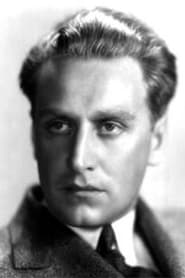
Grigori Aleksandrov
Actor & Director
Born: January 23, 1903 in Yekaterinburg, Russian Empire Died: December 16, 1983 Active: 1923-1973 Birth Name: Grigori Vasilyevich Aleksandrov
Films
9 films

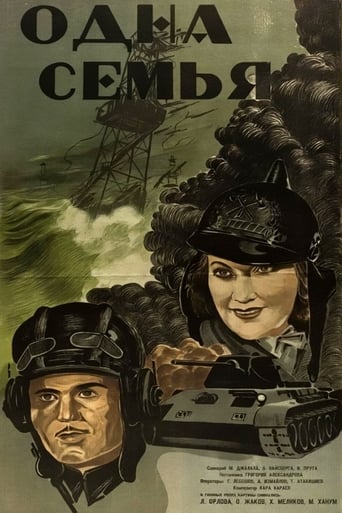
About Grigori Aleksandrov
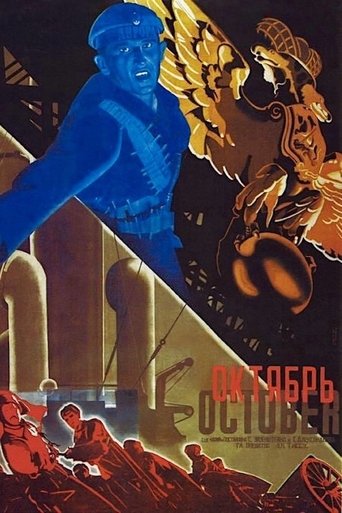
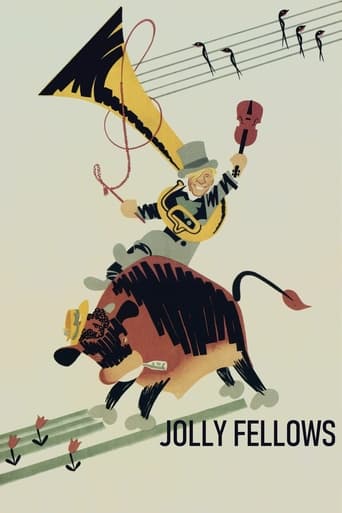
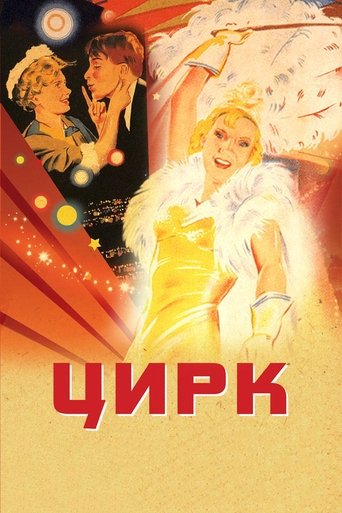
Soviet film director and actor who in shaping Soviet cinema during the Stalin era. He began his career as an actor in the early 1920s, appearing in several of Sergei Eisenstein's silent films including 'Strike' and 'Battleship Potemkin.' After establishing himself as Eisenstein's key collaborator, he co-directed the influential 'October: Ten Days That Shook the World' in 1927, which documented the Bolshevik Revolution. Aleksandrov later developed his own distinctive directorial style, the Soviet musical comedy genre with films like 'Jolly Fellows' (1934), 'Circus' (1936), and 'Volga-Volga' (1938). His films often featured his wife, Lyubov Orlova, who became the first recognized star of Soviet cinema and his muse. During World War II, he directed patriotic films and documentaries that supported the Soviet war effort. Despite facing political pressure during the Stalin era, Aleksandrov maintained his status as one of the Soviet Union's most respected filmmakers, continuing to work into the 1970s and leaving an indelible mark on Russian cinema.
The Craft
On Screen
As an actor in Eisenstein's films, Aleksandrov specialized in expressive, physically demanding performances that embodied the collective spirit of the Soviet people. His acting style was influenced by the montage theory, where individual performances contributed to the overall rhythmic and ideological impact of the film. He often played roles that represented different social classes or political archetypes, using exaggerated gestures and facial expressions to convey meaning in the silent medium.
Behind the Camera
Aleksandrov's directing style evolved from the experimental montage techniques of Eisenstein to a more accessible, entertainment-focused approach that still served Soviet ideological purposes. He masterfully blended comedy, music, and romance with subtle political messaging, creating films that were both commercially successful and ideologically acceptable. His use of elaborate musical numbers, optimistic narratives, and charismatic protagonists helped define the Soviet musical comedy genre. He employed sophisticated camera techniques and editing rhythms learned from Eisenstein but applied them to more conventional storytelling, making his films both artistically ambitious and popular with mass audiences.
Milestones
- Co-directed 'October: Ten Days That Shook the World' with Sergei Eisenstein (1927)
- Pioneered Soviet musical comedy genre with 'Jolly Fellows' (1934)
- Created the first Soviet musical comedy trilogy with 'Circus' (1936) and 'Volga-Volga' (1938)
- Made wife Lyubov Orlova the first star of Soviet cinema
- Won multiple Stalin Prizes for his contributions to Soviet cinema
- Directed the first Soviet color film 'The Stone Flower' (1946)
Best Known For
Iconic Roles
Must-See Films
Accolades
Won
- Stalin Prize (1941) for 'Volga-Volga'
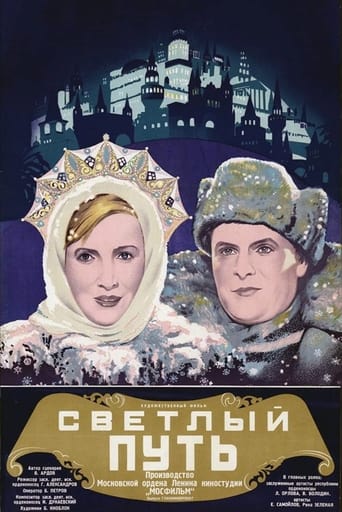
- Stalin Prize (1946) for 'The Shining Path'
- Stalin Prize (1948) for 'Admiral Nakhimov'
- Stalin Prize (1950) for 'Meeting on the Elbe'
- Order of Lenin (multiple times)
- Order of the Red Banner of Labour
- People's Artist of the USSR (1948)
- Hero of Socialist Labor (1973)
Nominated
- Venice Film Festival Golden Lion (1936) for 'Circus'
- Venice Film Festival Golden Lion (1938) for 'Volga-Volga'
- Cannes Film Festival Grand Prix (1946) for 'The Stone Flower'
Special Recognition
- People's Artist of the USSR (1948)
- Hero of Socialist Labor (1973)
- Vasilyev Brothers State Prize of the RSFSR (1971)
- Multiple Orders of Lenin
- Order of the October Revolution
Working Relationships
Worked Often With
Studios
Why They Matter
Impact on Culture
Grigori Aleksandrov fundamentally shaped Soviet popular cinema by creating a new genre that successfully combined entertainment with ideological messaging. His films helped establish the template for Soviet musical comedies, demonstrating that popular entertainment could coexist with socialist realism. Through his work with Lyubov Orlova, he created the first Soviet movie star system, showing how charismatic performers could attract mass audiences while embodying Soviet ideals. His films like 'Volga-Volga' became cultural phenomena, with songs and characters entering the popular consciousness and remaining beloved for decades. Aleksandrov's ability to navigate the complex demands of Soviet censorship while creating commercially successful films provided a model for other filmmakers working under restrictive political systems.
Lasting Legacy
Grigori Aleksandrov's legacy endures as. His films continue to be celebrated as classics of Russian cinema, regularly screened at film festivals and retrospectives worldwide. The techniques he developed for blending music, comedy, and political content influenced generations of Soviet and Russian filmmakers. His collaboration with Lyubov Orlova created an enduring cinematic partnership that remains iconic in Russian culture. Aleksandrov's work represents a unique achievement in creating films that were both artistically significant and massively popular, proving that entertainment and ideology could successfully coexist in cinema. His films serve as important historical documents of Soviet life and values during the Stalin era, while their artistic merits ensure their continued relevance in contemporary film studies.
Who They Inspired
Aleksandrov's influence on Soviet and Russian cinema was profound, particularly in establishing the musical comedy as a legitimate and popular genre. His successful formula of combining entertainment with ideological messaging influenced numerous Soviet directors who followed. His work demonstrated how to create films that satisfied both audiences and political authorities, a balance that many filmmakers struggled to achieve. The star system he created with Lyubov Orlova paved the way for other Soviet film personalities to achieve celebrity status. His technical innovations in filming musical numbers and his sophisticated use of sound in early Soviet talkies influenced the broader development of Soviet film technique. Contemporary Russian filmmakers continue to reference his work, and his films remain touchstones for understanding the evolution of Russian popular culture.
Off Screen
Grigori Aleksandrov's personal life was deeply intertwined with his professional career, particularly through his marriage to Lyubov Orlova, who became his muse and the star of most of his films. Their marriage in 1934 was both a personal and professional partnership that defined the golden age of Soviet musical comedy. Despite their public success as a cinematic couple, their relationship faced challenges, including political pressures and Orlova's struggles with alcoholism in later years. Aleksandrov was known to be a dedicated filmmaker who often prioritized his work, but he remained committed to Orlova until her death in 1975. After Orlova's death, he lived a relatively quiet life, continuing to work on film projects and preserving the legacy of Soviet cinema.
Education
Moscow State Institute of Cinematography (VGIK), studied under Lev Kuleshov
Family
- Lyubov Orlova (1934-1975, her death)
Did You Know?
- His birth name was Grigori Vasilyevich Mormonenko, which he changed to Aleksandrov early in his career
- His film 'Volga-Volga' was Stalin's favorite movie, which he reportedly watched over 100 times
- He was the first Soviet director to make a color film ('The Stone Flower' in 1946)
- His wife Lyubov Orlova was the first person to receive the title of People's Artist of the USSR
- He survived the Great Purge despite his close association with Eisenstein, who faced criticism
- His films were often criticized by avant-garde directors for being too commercial and conventional
- He directed the official Soviet documentary of the 1936 Moscow Olympics
- After World War II, he was accused of 'cosmopolitanism' but managed to maintain his position
- His apartment in Moscow became a gathering place for Soviet cultural elites
In Their Own Words
Cinema is not just entertainment, it's a powerful tool for shaping the consciousness of the people
We must make films that make people laugh while making them think about our socialist ideals
The secret to a successful musical is that every song must advance the story and the ideology
Working with Eisenstein taught me that every frame must serve a purpose beyond mere storytelling
Lyubov Orlova was not just my wife, she was the embodiment of the new Soviet woman on screen
Frequently Asked Questions
Who was Grigori Aleksandrov?
Prominent Soviet on YTB.my. He began as an actor in Sergei Eisenstein's films before becoming a celebrated director in his own right, creating classics like 'Volga-Volga' and 'Circus' that defined Soviet popular cinema.
What films is Grigori Aleksandrov best known for?
Titles linked here include October: Ten Days That Shook the World (1927), Jolly Fellows (1934).
When was Grigori Aleksandrov born and when did he die?
Born January 23, 1903; died December 16, 1983.
What awards did Grigori Aleksandrov win?
Aleksandrov won multiple Stalin Prizes for his films, was named People's Artist of the USSR in 1948, and received the highest Soviet honor of Hero of Socialist Labor in 1973. He also received several Orders of Lenin and other state decorations throughout his career.
What was Grigori Aleksandrov's directing style?
Aleksandrov's directing style blended entertainment with socialist ideology, creating accessible musical comedies that subtly conveyed Soviet values. He used sophisticated camera techniques learned from Eisenstein but applied them to conventional narratives, employing elaborate musical numbers and optimistic stories that appealed to mass audiences while satisfying political requirements.
How was Aleksandrov related to Sergei Eisenstein?
Aleksandrov began his career as Eisenstein's assistant and actor, appearing in 'Strike' and 'Battleship Potemkin.' He later co-directed 'October' with Eisenstein before developing his own directorial career. Their relationship was both professional and mentor-protégé, though Aleksandrov eventually achieved greater commercial success with his musical comedies.
Who was Lyubov Orlova and what was her relationship to Aleksandrov?
Lyubov Orlova was Aleksandrov's wife (married 1934) and the star of most of his films, becoming the first major star of Soviet cinema. Their professional and personal partnership defined the golden age of Soviet musical comedy, with Orlova's charismatic performances in films like 'Circus' and 'Volga-Volga' making her beloved across the Soviet Union.