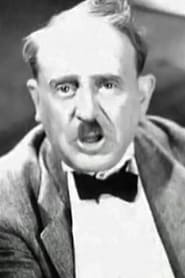
Fyodor Kurikhin
Actor
Born: January 15, 1897 in Moscow, Russian Empire Died: March 17, 1948 Active: 1934-1948 Birth Name: Fyodor Ivanovich Kurikhin
Films
7 films
About Fyodor Kurikhin
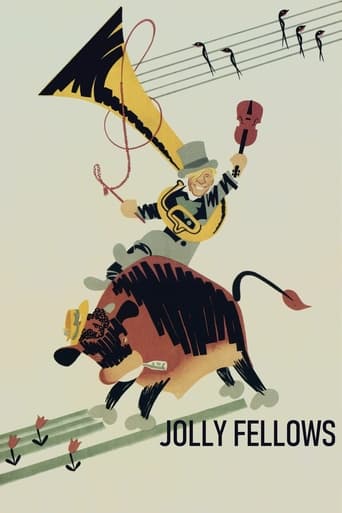
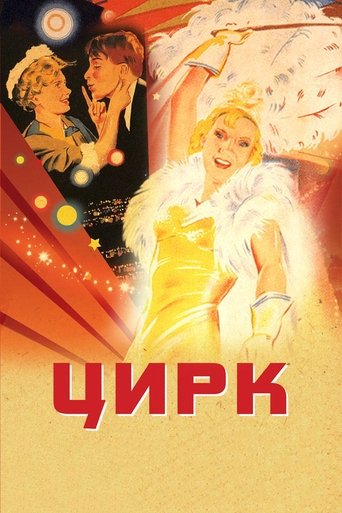
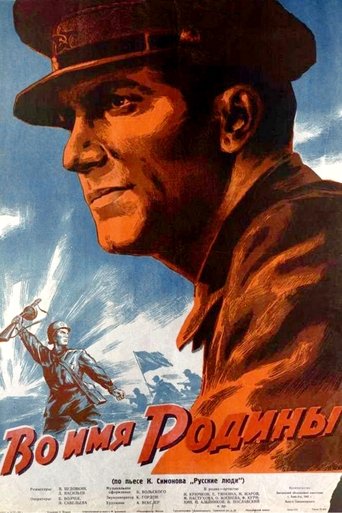
Prominent Soviet character actor who flourished during the Stalinist era of Soviet cinema. He began his film career in the early 1930s, appearing in Grigori Aleksandrov's musical comedy 'Jolly Fellows' (1934), which helped establish his presence in the burgeoning Soviet film industry. Kurikhin developed a reputation for playing memorable supporting roles, often portraying working-class characters, military figures, or everyday Soviet citizens with authentic charm. His collaboration with renowned director Grigori Aleksandrov continued with 'Circus' (1936), Soviet films of the 1930s. Throughout his career, Kurikhin appeared in over 30 films, including wartime propaganda pieces like 'In the Name of the Motherland' (1943) that reflected the patriotic fervor of World War II. His performances were characterized by their naturalistic approach and ability to embody the idealized Soviet citizen while maintaining relatable human qualities. Kurikhin's the crucial period of Soviet cinema's development from early sound films through the post-war reconstruction era, making him a significant contributor to the golden age of Soviet filmmaking.
The Craft
On Screen
Kurikhin was known for his naturalistic and understated acting style, which stood in contrast to the more theatrical performances common in early Soviet cinema. He specialized in creating authentic, relatable characters that embodied the Soviet ideal while maintaining genuine human qualities. His approach emphasized subtlety and emotional truth, particularly in his portrayals of working-class heroes and ordinary citizens. Kurikhin had a remarkable ability to convey complex emotions through minimal gestures and expressions, making his supporting roles memorable and impactful.
Milestones
- Breakthrough role in 'Jolly Fellows' (1934) directed by Grigori Aleksandrov
- Memorable performance in 'Circus' (1936), one of Soviet cinema's most acclaimed films
- Patriotic wartime performances in 'In the Name of the Motherland' (1943)
- Final film appearance in 'The Great Glinka' (1946)
Best Known For
Iconic Roles
Must-See Films
Accolades
Won
- Honored Artist of the RSFSR (1947)
- Order of the Red Banner of Labour (1944)
- Medal 'For the Defence of Leningrad' (1943)
Nominated
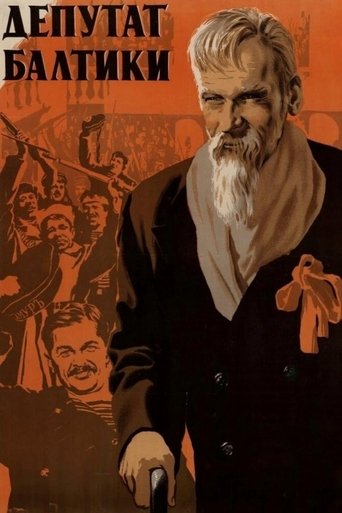
- Stalin Prize nomination for 'Baltic Deputy' (1938)
Special Recognition
- Named as one of the leading character actors of Soviet cinema in the 1930s-1940s
- Posthumous recognition at the Moscow International Film Festival retrospective (1970)
Working Relationships
Worked Often With
Studios
Why They Matter
Impact on Culture
Fyodor Kurikhin played a significant role in shaping the archetype of the Soviet everyman in cinema during the 1930s and 1940s. His performances helped establish a new standard of naturalistic acting in Soviet film, moving away from the theatrical traditions of the silent era. Through his collaborations with prominent directors like Grigori Aleksandrov, Kurikhin contributed to some of the most culturally significant films of the Stalin era, which continue to be studied as examples of Soviet socialist realism in cinema. His portrayals of working-class heroes and ordinary Soviet citizens helped reinforce the ideological narratives promoted by the Soviet state while maintaining artistic integrity and emotional authenticity.
Lasting Legacy
Fyodor Kurikhin's legacy endures through his influential body of work that represents a crucial period in Soviet cinema history. His films, particularly 'Circus' and 'Baltic Deputy,' remain classics of Soviet filmmaking and are regularly screened in retrospectives of classic cinema. Kurikhin's naturalistic acting style influenced subsequent generations of Soviet actors, helping to establish a more realistic approach to film performance in the Soviet Union. His contributions to Soviet cinema were recognized posthumously, and he is remembered as. Film historians continue to study his performances as examples of how actors navigated the demands of socialist realism while maintaining artistic authenticity.
Who They Inspired
Kurikhin's approach to character acting influenced the development of Soviet film acting techniques throughout the mid-20th century. His emphasis on subtlety and naturalism helped pave the way for the more psychologically complex performances that emerged in Soviet cinema during the 1950s and 1960s. Many prominent Soviet actors, including Innokenty Smoktunovsky and Yevgeny Leonov, cited Kurikhin as an influence on their own approach to character development. His work also demonstrated how character actors could contribute significantly to the ideological and artistic success of Soviet films without compromising their artistic integrity. Kurikhin's legacy continues to be studied in Russian film schools as an example of successful navigation of the complex relationship between art and politics in Soviet cinema.
Off Screen
Fyodor Kurikhin was married to actress Elena Kurikhina, with whom he often performed in theatrical productions before transitioning to film. The couple had two children, a son named Ivan who became a theater director, and a daughter named Maria who followed in her father's footsteps as an actress. Kurikhin was known for his modest lifestyle despite his success in Soviet cinema, and he maintained close friendships with many of his fellow actors and directors. He was an avid reader of Russian literature and often hosted literary gatherings at his Moscow apartment. His health declined in the late 1940s, and he passed away at the age of 51 from complications following surgery.
Education
Graduated from the Moscow Art Theatre School (MKhAT) in 1923 under the tutelage of Konstantin Stanislavski
Family
- Elena Kurikhina (1925-1948)
Did You Know?
- Kurikhin was originally trained as a stage actor at the Moscow Art Theatre School
- He made his film debut at the relatively late age of 37 in 'Jolly Fellows'
- Despite being a prominent actor, he never received top billing in any of his films
- Kurikhin — close friend of composer Isaac Dunayevsky, who scored many of his films
- He was one of the few actors who successfully transitioned from silent theater to sound films
- During World War II, Kurikhin performed for frontline troops alongside his film work
- His performance in 'Circus' was personally praised by Joseph Stalin
- Kurikhin was known for his photographic memory and could recall entire scripts after one reading
- He was a member of the Communist Party from 1939 until his death
- His final film 'The Great Glinka' was released posthumously
In Their Own Words
The camera doesn't lie, but it also doesn't tell the whole truth. An actor must fill in what the lens cannot see.
Playing a Soviet citizen isn't about ideology, it's about humanity. Even heroes must have flaws to be real.
In the theater, we project to the back row. In cinema, we must whisper to the front row.
Every character, no matter how small, deserves a complete life story in the actor's mind.
The best performances come not from showing, but from revealing what is already there.
Frequently Asked Questions
Who was Fyodor Kurikhin?
Screen credits include over 30 films during the 1930s and 1940s. He was known for his naturalistic acting style and memorable supporting roles in classic Soviet films like 'Circus' and 'Baltic Deputy.'
What films is Fyodor Kurikhin best known for?
Titles linked here include Jolly Fellows (1934), Circus (1936).
When was Fyodor Kurikhin born and when did he die?
Born January 15, 1897; died March 17, 1948.
What awards did Fyodor Kurikhin win?
Kurikhin was named Honored Artist of the RSFSR in 1947, received the Order of the Red Banner of Labour in 1944, and was awarded the Medal 'For the Defence of Leningrad' in 1943 for his wartime contributions.
What was Fyodor Kurikhin's acting style?
Kurikhin was known for his naturalistic and understated acting style, emphasizing subtlety and emotional truth. He specialized in creating authentic, relatable characters that embodied Soviet ideals while maintaining genuine human qualities, moving away from theatrical traditions toward more realistic film performances.