
Films
6 films

About Panteleymon Sazonov
Soviet film director who emerged during the late 1930s, specializing in animated adaptations of Russian folk tales and literary classics. He worked primarily at Soyuzmultfilm, the Soviet Union's most prestigious animation studio, during a period when the studio was establishing itself as a powerhouse of animated cinema. Sazonov's directorial career peaked between 1938 and 1941, during which he created several notable animated shorts that became classics of Soviet animation. His work reflected the cultural policies of the Stalin era, emphasizing folk traditions and moral education through entertainment. Despite his significant contributions to early Soviet animation, detailed biographical information about Sazonov remains limited in Western sources, as was common for many Soviet-era filmmakers who were not internationally recognized. His films, however, continue to be studied as important examples of the development of animation techniques in the Soviet Union during the pre-war period.
The Craft
Behind the Camera
Sazonov's directing style emphasized faithful adaptations of classic Russian literature and folk tales, with careful attention to visual storytelling that could appeal to both children and adults. His animation incorporated traditional Russian artistic motifs and character designs that reflected the cultural heritage of the Soviet Union. He worked within the constraints of Soviet cultural policy while creating engaging narratives that balanced entertainment with educational value.
Milestones
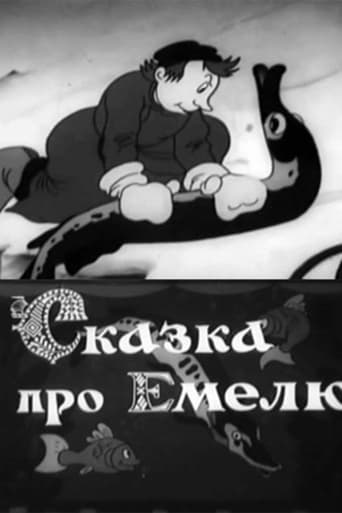
- Directed 'Fairy Tale About Emelya' (1938), one of his most celebrated works
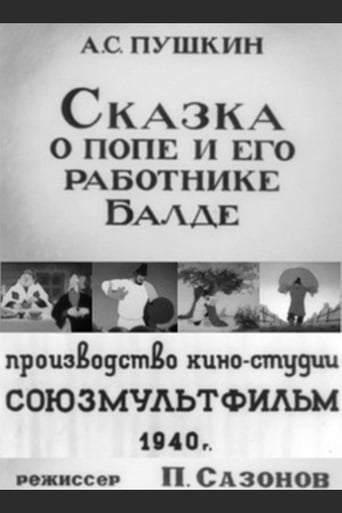
- Created 'The Tale of the Priest and his Worker Balda' (1940), based on Pushkin's poem
- Worked at Soyuzmultfilm during its formative years
- Contributed to the development of Soviet animation techniques
- Directed multiple films in 1938, showing remarkable productivity
Best Known For
Must-See Films
Working Relationships
Studios
Why They Matter
Impact on Culture
Panteleymon Sazonov contributed to the golden age of Soviet animation during the late 1930s and early 1940s, a period when Soyuzmultfilm was establishing itself as a world-class animation studio. His adaptations of Russian folk tales helped preserve and popularize traditional stories for new generations of Soviet children. His work exemplified the Soviet approach to animation, which combined artistic innovation with cultural education and ideological messaging. These films remain important historical artifacts that demonstrate how animation was used as a tool for cultural transmission in the Soviet Union.
Lasting Legacy
Sazonov's legacy lies in his contributions to early Soviet animation and his role in adapting classic Russian literature for animated format. While not as internationally recognized as some of his contemporaries, his films are studied by animation historians as examples of the distinctive Soviet animation style that emerged during this period. His work helped establish animation as a legitimate art form in Soviet cinema and paved the way for future generations of Soviet animators.
Who They Inspired
Sazonov influenced later Soviet animators through his approach to literary adaptation and his incorporation of traditional Russian artistic elements into animation. His work demonstrated how classic literature could be successfully translated into animated form while maintaining cultural authenticity. This approach would be adopted and expanded upon by subsequent generations of Soviet animators who continued to adapt Russian literature for animated audiences.
Off Screen
Very limited information is available about Panteleymon Sazonov's personal life, which was common for many Soviet-era filmmakers who were not part of the international cinema scene. Details about his family, marriages, or personal relationships have not been widely documented in accessible historical records.
Did You Know?
- Sazonov was remarkably productive in 1938, directing three different animated shorts in the same year
- His film 'The Tale of the Priest and his Worker Balda' was based on a poem by Alexander Pushkin
- All of his known films were produced during the Stalin era, before World War II interrupted Soviet film production
- His work at Soyuzmultfilm coincided with the studio's emergence as the Soviet Union's premier animation facility
- The titles of his films reflect the emphasis on folk tales and children's stories in Soviet animation of the period
- His career appears to have ended around 1941, coinciding with the German invasion of the Soviet Union
- Like many Soviet animators of his generation, his work was primarily domestic and not widely distributed internationally
Frequently Asked Questions
Who was Panteleymon Sazonov?
Soviet on YTB.my.
What films is Panteleymon Sazonov best known for?
Titles linked here include Fairy Tale About Emelya (1938), The Tale of the Priest and his Worker Balda (1940).
When was Panteleymon Sazonov active as a director?
Sazonov was active as a film director from 1938 to 1941, with his most productive period being 1938 when he directed three animated shorts.
What was Panteleymon Sazonov's directing style?
His directing style emphasized faithful adaptations of Russian folk tales and literature, incorporating traditional Russian artistic motifs and creating films that balanced entertainment with educational value for children.
Where did Panteleymon Sazonov work?
He worked primarily at Soyuzmultfilm, the Soviet Union's premier animation studio, during its formative years in the late 1930s and early 1940s.
What is Panteleymon Sazonov's legacy in cinema?
His legacy lies in contributing to early Soviet animation and demonstrating how classic Russian literature could be successfully adapted into animated format while preserving cultural authenticity.