
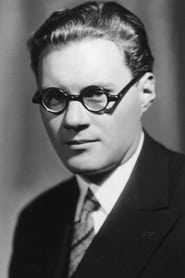
Andrei Tutyshkin
Actor
Born: January 12, 1910 in Moscow, Russian Empire Died: October 12, 1971 Active: 1938-1968 Birth Name: Andrei Alexandrovich Tutyshkin
Films
7 films
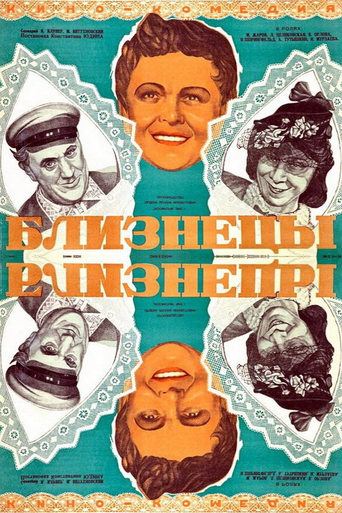
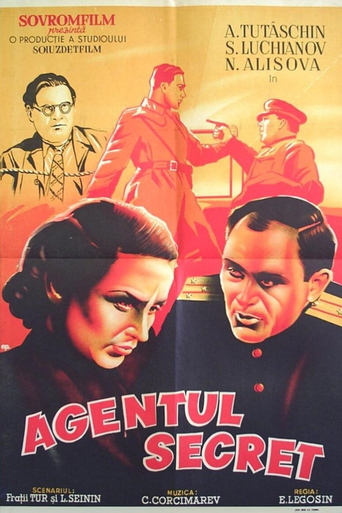
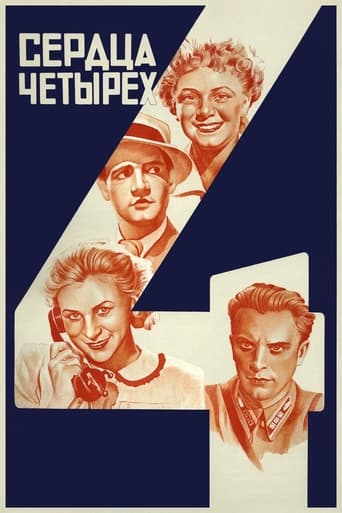

About Andrei Tutyshkin
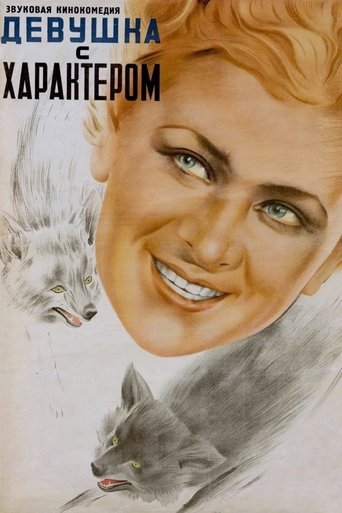
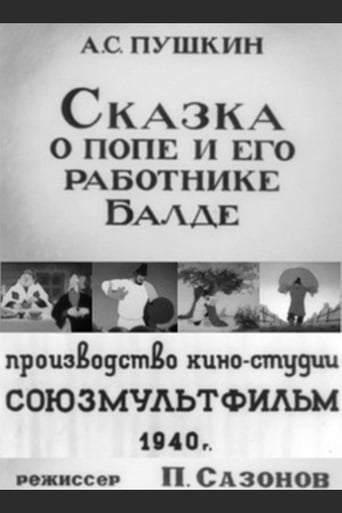
Andrei Alexandrovich Tutyshkin — prominent Soviet actor and director who rose to fame during the Stalinist era of Soviet cinema. He began his career in the late 1930s, quickly establishing himself as a versatile character actor in some of the most celebrated Soviet films of the period. His breakthrough role came in the musical comedy 'Volga-Volga' (1938), directed by Grigori Aleksandrov, where he showcased his comedic talents alongside actress Lyubov Orlova. Throughout the early 1940s, Tutyshkin appeared in several notable productions including 'A Girl with Character' (1939) and 'The Tale of the Priest and his Worker Balda' (1940), demonstrating his ability to transition between comedy and drama. His career was interrupted by World War II, during which he contributed to the war effort through entertainment and propaganda films. After the war, Tutyshkin gradually transitioned into directing, though his acting performances from the late 1930s and early 1940s remain his most enduring legacy. His work represents an important chapter in the golden age of Soviet cinema, capturing the artistic and cultural sensibilities of the era.
The Craft
On Screen
Tutyshkin was known for his versatile comedic timing and ability to portray both humorous and dramatic characters with equal skill. His performances often featured a distinctive blend of physical comedy and subtle emotional depth, characteristic of the Soviet acting tradition of the period. He had a natural screen presence that allowed him to transition seamlessly between supporting and leading roles.
Milestones
- Breakthrough role in 'Volga-Volga' (1938)
- Starring role in 'A Girl with Character' (1939)
- Performance in 'The Tale of the Priest and his Worker Balda' (1940)
- Transition to directing in the 1950s
- Contribution to Soviet wartime cinema
Best Known For
Iconic Roles
Must-See Films
Accolades
Won
- Honored Artist of the RSFSR (1964)
Special Recognition
- Order of the Red Banner of Labour
- Medal 'For Valiant Labour in the Great Patriotic War 1941-1945'
Working Relationships
Worked Often With
Studios
Why They Matter
Impact on Culture
Andrei Tutyshkin's work represents an important chapter in Soviet cinema history, particularly during the cultural flowering of the late 1930s. His performances in films like 'Volga-Volga' helped define the aesthetic of Soviet musical comedy, blending entertainment with ideological messaging in a way that appealed to mass audiences while satisfying state requirements. His characters often embodied the ideal Soviet citizen - hardworking, optimistic, and devoted to collective goals - helping to shape the cultural narrative of the era.
Lasting Legacy
Tutyshkin's legacy endures through his contributions to classic Soviet cinema, particularly his roles in films that are still studied and celebrated today as masterpieces of the period. His work serves as a valuable historical document of Soviet artistic expression during a complex political era, while his performances continue to entertain new generations of film enthusiasts. The films he appeared in remain part of the canon of Soviet cinema, frequently shown in retrospectives and film studies courses.
Who They Inspired
While not as widely known internationally as some of his contemporaries, Tutyshkin influenced subsequent generations of Soviet actors through his demonstrated versatility and commitment to craft. His ability to balance comedic timing with dramatic depth set a standard for character actors in Soviet cinema. His transition from acting to directing also provided a model for artists seeking to expand their creative contributions within the Soviet film industry.
Off Screen
Andrei Tutyshkin led a relatively private life away from the spotlight, typical of many Soviet artists of his generation. He was married and had children, though specific details about his family life were not widely publicized, as was common during the Stalinist era when personal privacy was both protected and limited. His life spanned some of the most turbulent periods in Soviet history, including the Stalin years, World War II, and the Khrushchev Thaw.
Education
Graduated from the State Institute of Cinematography (VGIK) in Moscow
Family
- Information not publicly available
Did You Know?
- 'Volga-Volga' (1938) became one of Stalin's favorite films
- The film was reportedly screened over 100 times for the Soviet leader
- Tutyshkin worked during
- Many Soviet actors of his era were also members of the Communist Party
- His active years covered from the Stalin era through the Khrushchev Thaw
- Soviet musical comedies of the 1930s were often used as soft propaganda
- The actor had to navigate the complex relationship between art and politics in the USSR
- Many of his films were restored and re-released after the collapse of the Soviet Union
In Their Own Words
Information on specific quotes not widely documented in available sources
Frequently Asked Questions
Who was Andrei Tutyshkin?
Soviet actor and on YTB.my.
What films is Andrei Tutyshkin best known for?
Titles linked here include Volga-Volga (1938), A Girl with Character (1939).
When was Andrei Tutyshkin born and when did he die?
Born January 12, 1910; died October 12, 1971.
What awards did Andrei Tutyshkin win?
He was named Honored Artist of the RSFSR in 1964 and received state honors including the Order of the Red Banner of Labour and the Medal 'For Valiant Labour in the Great Patriotic War 1941-1945'.
What was Andrei Tutyshkin's acting style?
Tutyshkin was known for his versatile comedic timing and ability to portray both humorous and dramatic characters, featuring a blend of physical comedy and subtle emotional depth characteristic of Soviet acting of the 1930s-40s.
How did Andrei Tutyshkin contribute to Soviet cinema?
Tutyshkin helped define the aesthetic of Soviet musical comedy through his performances in films that balanced entertainment with ideological messaging, while also contributing to wartime cinema and later transitioning to directing.
Was Andrei Tutyshkin related to other famous Soviet filmmakers?
While not directly related to other famous filmmakers, he collaborated with prominent Soviet directors like Grigori Aleksandrov and worked alongside legendary actors such as Lyubov Orlova, making him part of the core creative community of Soviet cinema.