


Twins
"Twins lost, town searching"
Keys: Space play/pause · ←/→ 10s · F fullscreen · M mute · </> speed
About this film
1945 Soviet comedy follows separated twins and villagers searching for their parents. A funny comedy about a lost twins and a lot of good people who are involved in a search for twins' parents.
Cast & crew
More Comedy films
View all →






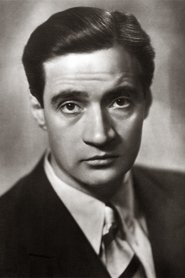
More from Konstantin Yudin
View all →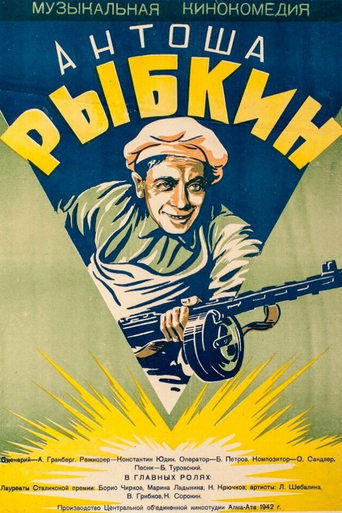

More about this film
About the production
Release dateOctober 22, 1945
BudgetNot publicly disclosed - typical for Soviet-era productions
Box officeNot publicly recorded - Soviet films did not track commercial box office in the Western sense
ProductionMosfilm Studio
Filmed inMoscow, Soviet Union
Filmed during the final months of World War II, the production faced significant challenges including resource shortages and the need to maintain morale during a difficult period. The film was one of the first major Soviet comedies produced after the tide of war had turned in favor of the Allies. Director Konstantin Yudin was known for his light touch with comedy and worked closely with the cast to develop their comedic timing. The twin effect was achieved primarily through clever camera work and editing techniques rather than optical effects, as the technology of the time was limited.
Themes
Identity and mistaken identityFamily and biological connectionsSocial equality and class differencesCommunity cooperation and kindnessPost-war hope and reconstruction
Themes & topics
twinsmistaken identitycomedy of errorssearch for parentsfamily reunionSoviet lifepost-war periodcommunityromanceclass differences
Historical background
1945 placed Twins within Soviet Union cinema as Mosfilm Studio navigated wartime markets, immigration audiences, and the shift from intertitles to sound.
Why this film matters
Archivists revisit Twins (1945) for Konstantin Yudin style, genre norms at Mosfilm Studio, and the exhibition context of 78 minutes programming.
Making of
The making of 'Twins' was a remarkable achievement given the circumstances of its production in 1945. With World War II still raging during much of the filming, the cast and crew worked under difficult conditions with limited resources. Director Konstantin Yudin was known for his collaborative approach, often encouraging improvisation from his actors to enhance the comedic timing. Lyudmila Tselikovskaya and Vera Orlova spent weeks working with a movement coach to perfect their synchronized mannerisms and gestures, making the twin illusion more convincing. The film's composer, Isaak Dunayevsky, created a memorable score that incorporated popular Soviet melodies of the era. The production team had to be creative with costumes and props, as many materials were still rationed. The film's success was particularly meaningful as it provided much-needed laughter and entertainment to Soviet audiences emerging from years of war and hardship.
What critics said
Retrospective writing on Twins stresses craft by Konstantin Yudin, print survival, and repertory value rather than opening-week gross alone.
Did you know?
- Lyudmila Tselikovskaya and Vera Orlova became one of Soviet cinema's most beloved comedy duos after this film
- The film was shot in just three months, an unusually quick production schedule even for the time
- Director Konstantin Yudin excelled in comedy and had previously directed several successful wartime comedies
- The twin scenes were filmed using a combination of body doubles, strategic camera angles, and careful editing
- The film was released just weeks after the end of World War II in Europe, making it one of the first post-war Soviet productions
- Mikhail Zharov, who played one of the male leads, was already a celebrated actor in Soviet theater before appearing in this film
- The screenplay was adapted from a popular stage play that had been successful in Moscow theaters
- The film's success led to Yudin being awarded the title of 'People's Artist of the RSFSR'
- Despite being a comedy, the film contains subtle commentary on Soviet social equality and class differences
- The movie was briefly banned in some Eastern Bloc countries in the late 1940s for being 'too frivolous' during the post-war reconstruction period
Awards & recognition
- Stalin Prize, Second Class (1946) - awarded to director Konstantin Yudin and the main cast
- State Prize of the RSFSR (1946) - for outstanding contribution to Soviet cinema
Visual style
The cinematography of 'Twins' was handled by Igor Gelein, who employed a classic Soviet realist style with touches of romanticism. The visual approach emphasized bright, clear lighting to create an optimistic atmosphere appropriate for a comedy. Gelein used medium shots extensively to capture the performers' facial expressions and comedic timing. The twin sequences were particularly challenging, requiring careful camera placement and editing to create the illusion of two identical actors. The film's visual style avoided the dramatic shadows and angles common in film noir, instead opting for a straightforward, accessible aesthetic that wouldn't distract from the comedy. The production design by Viktor Aden featured detailed recreations of Soviet interiors that provided authentic period atmosphere while maintaining a slightly stylized, theatrical quality that enhanced the film's comedic elements.
Innovations
While 'Twins' was not a groundbreaking technical film, it achieved several notable technical accomplishments for its time and place. The most significant was the convincing portrayal of identical twins using a single actress (Lyudmila Tselikovskaya) in dual roles, accomplished through sophisticated editing techniques and careful choreography. The film's sound recording was particularly impressive given the limitations of Soviet audio equipment in 1945, achieving clear dialogue and music reproduction. The makeup and costume departments created subtle but effective differences between the twin characters that were discernible to audiences without breaking the illusion of identical appearance. The film's pacing and editing rhythm were considered advanced for Soviet cinema of the period, maintaining a brisk comedic tempo throughout. The production also demonstrated efficient resource management during a time of material shortages, creating a polished final product despite significant logistical challenges.
Music
The musical score for 'Twins' was composed by Isaak Dunayevsky, one of the Soviet Union's most celebrated composers. Dunayevsky was already famous for his work on earlier Soviet comedy classics like 'Volga-Volga' and 'The Circus'. For 'Twins', he created a light, melodic score that perfectly complemented the film's comedic tone. The music incorporated elements of popular Soviet folk songs and light classical arrangements that were accessible to mass audiences. Several musical numbers were woven into the narrative, showcasing the singing talents of the lead actresses. The soundtrack became popular in its own right, with the main theme being played on Soviet radio for years after the film's release. Dunayevsky's ability to create memorable, uplifting melodies that embodied Soviet optimism made his work on 'Twins' particularly effective in enhancing the film's emotional impact and entertainment value.
Famous quotes
Even twins separated by fate will find their way back to each other, for family bonds are stronger than any distance.
In our great Soviet family, every child is precious, whether born in a palace or a simple workers' home.
Laughter is the best medicine for healing the wounds of war and building a better tomorrow.
When good people unite for a noble cause, no obstacle is too great to overcome.
Memorable scenes
- The first meeting of the twins in a crowded market square, where their identical appearance causes chaos among vendors and shoppers
- The scene where both twins attend the same social event, leading to a series of comic misunderstandings with their suitors
- The emotional reunion scene where the twins' true parentage is revealed, bringing together the entire community
- The musical number where both twins unknowingly sing the same song in different locations, showcasing their identical voices
What audiences thought
Soviet audiences embraced 'Twins' with tremendous enthusiasm upon its release in 1945. The film played to packed houses in theaters across the Soviet Union for months, with many viewers reporting seeing it multiple times. In an era when entertainment options were limited, the movie provided welcome relief from the hardships of post-war life. Audience members particularly loved the chemistry between Lyudmila Tselikovskaya and Vera Orlova, who became household names following the film's success. The movie's gentle humor and heartwarming story resonated with viewers of all ages, making it one of the rare films that appealed to both children and adults. Letters to newspapers and film studios praised the production for bringing laughter back to Soviet life. The film's popularity endured for decades, with it becoming a traditional viewing choice for family gatherings and holidays. Even today, older generations in former Soviet countries remember 'Twins' fondly as one of the defining films of their youth.
Film connections
Influenced by
- Classic Shakespearean comedies featuring mistaken identity
- Earlier Soviet comedies by Grigory Aleksandrov
- American screwball comedies of the 1930s and 1940s
- Traditional Russian theatrical comedy traditions
This film influenced
- Later Soviet twin comedies of the 1950s and 1960s
- The 'Eldar Ryazanov' school of Soviet romantic comedy
- Multiple Soviet films featuring Lyudmila Tselikovskaya in similar roles
Film restoration
The film is preserved in the Gosfilmofond of the Russian Federation, the state film archive. A restored version was released in 2005 as part of the Mosfilm classics restoration project. The original camera negatives are believed to be intact, though some wear is visible in existing prints. The film has been digitally remastered for DVD and streaming releases, ensuring its preservation for future generations. English subtitles were added for international releases in the 1990s.
Where to watch
- Available on Mosfilm's official YouTube channel with English subtitles
- Included in the 'Soviet Comedy Classics' DVD collection
- Streaming on various classic film platforms specializing in international cinema
- Occasionally broadcast on Russian cultural television channels
- Available for viewing at film archives and specialized cinematheques