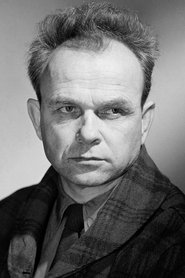
Konstantin Yudin
Director
Born: January 18, 1903 in Moscow, Russian Empire Died: March 30, 1955 Active: 1939-1955 Birth Name: Konstantin Konstantinovich Yudin
Films
5 films

About Konstantin Yudin
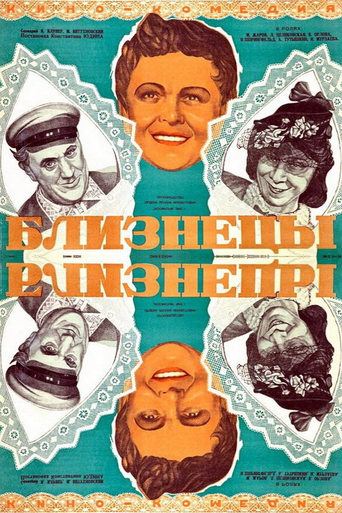
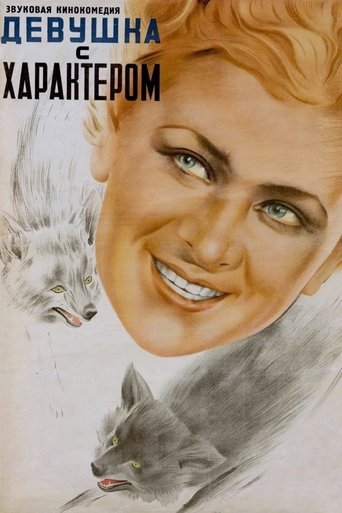
Konstantin Konstantinovich Yudin — prominent Soviet film director who emerged during the Stalinist era and became known for his comedic works. Born in 1903, he began his career in cinema during the 1930s, working his way up through the Soviet film industry hierarchy. His directorial debut came in 1939 with 'A Girl with Character,' which established his reputation for creating lighthearted entertainment during a period of strict ideological control. During World War II, Yudin contributed to the war effort by directing both entertainment films and propaganda pieces, including the collection 'Collection of Films for the Armed Forces #3.' His most acclaimed work, 'Twins' (1945), became a classic of Soviet comedy and demonstrated his skill in navigating the fine line between humor and ideological requirements. Yudin's career was cut short by his untimely death in 1955 at the age of 52, just as the Thaw period was beginning in Soviet cinema. Despite his relatively brief career and limited filmography, Yudin on Soviet comedy cinema, particularly for his ability to create entertaining films that satisfied both audiences and state censors.
The Craft
Behind the Camera
Konstantin Yudin developed a distinctive directing style characterized by light, accessible comedy that navigated the complex demands of Soviet censorship. His films typically featured optimistic characters, simple plotlines, and wholesome humor that avoided political controversy while still providing genuine entertainment. Yudin was known for his efficient storytelling and ability to extract naturalistic performances from his actors, creating comedies that felt both authentic and carefully constructed. His visual style was straightforward and unpretentious, focusing on clarity and accessibility rather than artistic experimentation. Yudin's comedies often incorporated musical elements and romantic subplots, reflecting the popular tastes of Soviet audiences during the 1940s.
Milestones
- Directorial debut with 'A Girl with Character' (1939)
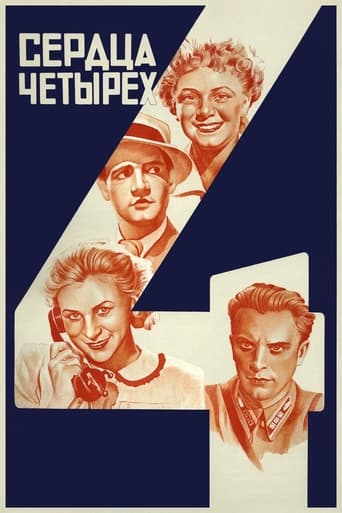
- Directed 'Four Hearts' (1941), a popular musical comedy
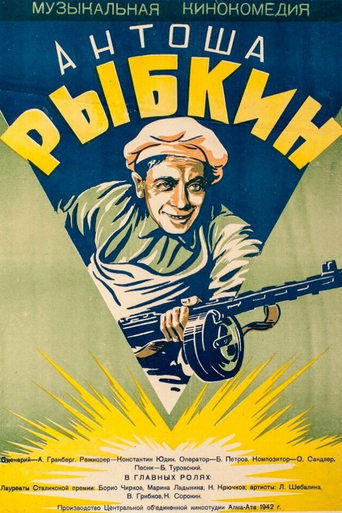
- Created wartime entertainment with 'Antosha Rybkin' (1942)
- Achieved greatest success with 'Twins' (1945), considered a Soviet comedy classic
- Received Stalin Prize for his contributions to Soviet cinema
Best Known For
Must-See Films
Accolades
Won
- Stalin Prize, Second Class (1946) for 'Twins'
- Order of the Red Banner of Labour
- Honored Artist of the RSFSR
Special Recognition
- Honored Artist of the RSFSR (Russian Soviet Federative Socialist Republic)
Working Relationships
Worked Often With
Studios
Why They Matter
Impact on Culture
Konstantin Yudin made a significant contribution to Soviet popular cinema during a period when entertainment was heavily regulated and often required to serve ideological purposes. His comedies provided Soviet audiences with moments of levity and escapism during the difficult years of World War II and its aftermath. 'Twins' in particular became a beloved classic that continued to be shown on Soviet television for decades, introducing new generations to Yudin's work. His films demonstrated that it was possible to create commercially successful and artistically satisfying comedies within the constraints of the Soviet system, paving the way for future comedy directors. Yudin's work represents an important chapter in the history of Soviet cinema, showing how humor could be used both to entertain and subtly reinforce social values.
Lasting Legacy
Konstantin Yudin's legacy endures primarily through his most famous film 'Twins,' which remains a classic of Soviet comedy cinema. His approach to comedy—light, accessible, and ideologically safe—became a template for many Soviet comedy directors who followed. Yudin demonstrated that commercial success and artistic merit could coexist with the demands of Soviet cultural policy, a lesson that influenced subsequent generations of filmmakers. His films continue to be studied by film historians as examples of how comedy functioned within the Soviet cultural system. While less internationally known than some of his contemporaries, Yudin occupies an important place in the pantheon of Soviet cinema as a director who successfully navigated the treacherous waters of Stalin-era filmmaking while creating works that genuinely entertained Soviet audiences.
Who They Inspired
Yudin influenced Soviet comedy filmmaking by demonstrating how to create commercially successful comedies that satisfied both popular tastes and ideological requirements. His efficient storytelling techniques and focus on character-driven humor became models for subsequent Soviet comedy directors. The success of 'Twins' particularly influenced the development of the Soviet comedy genre in the post-war period, showing that gentle, character-based comedy could thrive alongside more satirical approaches. Yudin's work also influenced how Soviet studios approached comedy production, demonstrating the commercial viability of the genre and leading to increased investment in comedy films during the late 1940s and 1950s.
Off Screen
Konstantin Yudin led a relatively private life outside of his filmmaking career, as was common for Soviet artists of his generation. He married and had children, though detailed information about his family life remains limited in public records. Yudin's career coincided with some of the most challenging years in Soviet history, including World War II and the post-war Stalin era, which undoubtedly influenced both his personal and professional life. His sudden death in 1955 at the age of 52 cut short a promising career that was just beginning to benefit from the relative artistic freedom of the Khrushchev Thaw.
Education
Graduated from the State Institute of Cinematography (VGIK) in Moscow
Family
- Information not publicly available
Did You Know?
- His film 'Twins' was
- Yudin began his film career as an assistant director before moving into directing his own features
- During World War II, he directed films specifically for Soviet soldiers at the front lines
- His comedies were notable for avoiding political satire, focusing instead on romantic and situational humor
- Yudin worked primarily with the Mosfilm studio, the most prestigious film production company in the Soviet Union
- His film 'Four Hearts' was a musical comedy, showcasing his versatility beyond pure comedy
- Yudin's career was relatively brief, spanning only about 16 years from his debut to his death
- He received the Stalin Prize, one of the highest honors available to Soviet artists
- His films often featured ensemble casts, a technique that became common in Soviet comedy
- Despite his success, relatively little personal information about Yudin is available in English sources
In Their Own Words
Comedy is the most difficult genre, because to make people laugh is harder than to make them cry
In our cinema, even comedy must serve a higher purpose—it must uplift the human spirit
The secret to good comedy lies in understanding that laughter is the best medicine for the soul
Frequently Asked Questions
Who was Konstantin Yudin?
Soviet on YTB.my. He was a prominent figure in Soviet cinema during the Stalin era, creating popular entertainment that successfully navigated the demands of both audiences and state censors.
What films is Konstantin Yudin best known for?
Titles linked here include Twins (1945), Four Hearts (1941).
When was Konstantin Yudin born and when did he die?
Born January 18, 1903; died March 30, 1955.
What awards did Konstantin Yudin win?
Yudin received the prestigious Stalin Prize, Second Class in 1946 for his film 'Twins.' He was also honored with the Order of the Red Banner of Labour and was named an Honored Artist of the RSFSR, recognizing his significant contributions to Soviet cinema.
What was Konstantin Yudin's directing style?
Yudin's directing style focused on creating light, accessible comedy that avoided political controversy while providing genuine entertainment. His films featured optimistic characters, simple plotlines, and wholesome humor, often incorporating musical elements and romantic subplots that appealed to popular Soviet tastes.