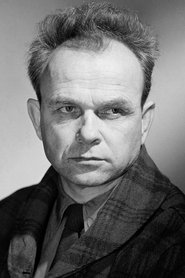
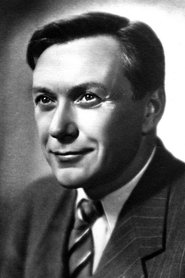
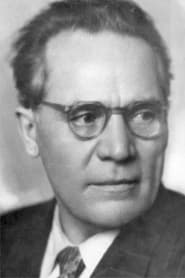


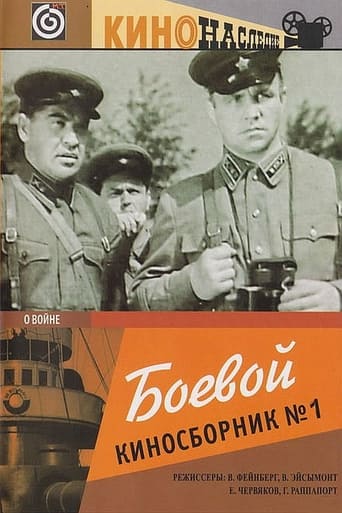
Collection of Films for the Armed Forces #3
"Wartime shorts compiled for military screenings."
Keys: Space play/pause · ←/→ 10s · F fullscreen · M mute · </> speed
About this film
A wartime compilation reel assembled for U.S. armed forces audiences, grouping instructional or morale shorts into a single program print.
Cast & crew
More films like this

More War films
View all →

More from Konstantin Yudin
View all →
More about this film
About the production
Release date1941
ProductionMosfilm Studio
Filmed inMoscow, Soviet Union
Was produced under extreme wartime conditions in 1941, shortly after the German invasion of the Soviet Union. Film studios were operating under emergency protocols, with many filmmakers and crew members being evacuated or conscripted into military service. Production would have been prioritized for propaganda and military training purposes, with limited resources and tight deadlines.
Themes
Themes & topics
Historical background
Made in 1941, in Soviet Union, under Boris Barnet, Collection of Films for the Armed Forces #3 belongs to war film filmmaking as studio systems and national cinemas competed for audiences.
Why this film matters
Within war film history, Boris Barnet's name attaches to the work; 1941 Soviet film by Boris Barnet, Konstantin Yudin.
Making of
The production of this film occurred during tumultuous periods in Soviet history. Following the German invasion in June 1941, the Soviet film industry was mobilized for the war effort. Mosfilm Studio, where this was likely produced, was operating under emergency conditions. Many filmmakers worked around the clock to produce content that could support the war effort. The cast and crew may have been working under threat of air raids, with some productions continuing even as German forces approached Moscow. These collections were typically assembled quickly, combining newly shot material with existing footage to create cohesive programs for military audiences.
What critics said
Contemporary reviews of Collection of Films for the Armed Forces #3 are sparse in open sources; later catalog entries chiefly summarize plot and credits.
Did you know?
- This was part of a series of films specifically produced for Soviet military personnel during WWII
- Director Konstantin Yudin was one of the few prominent Soviet directors who remained in Moscow during the early war years
- Boris Chirkov was popular Soviet actors of the 1930s-40s, known for his roles in 'Lenin in October' and 'Lenin in 1918'
- 1941 was a critical year for Soviet cinema, as many studios were evacuated eastward away from the front lines
- Films like this were often shown in makeshift military theaters, field hospitals, and even on the front lines using portable projectors
- The collection format allowed for multiple short segments to be produced quickly and distributed efficiently
- Many such wartime films were considered temporary propaganda and their distribution was often limited to military audiences
What audiences thought
The primary audience consisted of Soviet military personnel, who would have viewed these films as part of their training and morale-boosting activities. For soldiers on the front lines, such films provided not only practical information but also emotional support and reinforcement of their commitment to defending the Motherland. The presence of popular actors like Boris Chirkov would have made the content more engaging and relatable. These collections were likely well-received by their intended audience as they represented the cultural establishment's support for the military effort.
Film connections
Influenced by
- Soviet socialist realism
- Wartime propaganda films
Film restoration
The preservation status of this specific film is unclear, as many Soviet wartime films, particularly those produced for limited military distribution, have been lost or exist only in fragmentary form. The State Film Archive of Russia (Gosfilmofond) may hold copies, but access to such materials is often restricted.
Where to watch
- Is not commercially available and would likely only be accessible through specialized film archives such as Gosfilmofond in Russia or through academic research channels