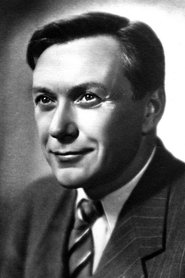
Boris Chirkov
Actor
Born: August 15, 1901 in Lozova-Pavlovka, Russian Empire (now Ukraine) Died: May 28, 1982 Active: 1931-1954 Birth Name: Boris Andreyevich Chirkov
Films
25 films
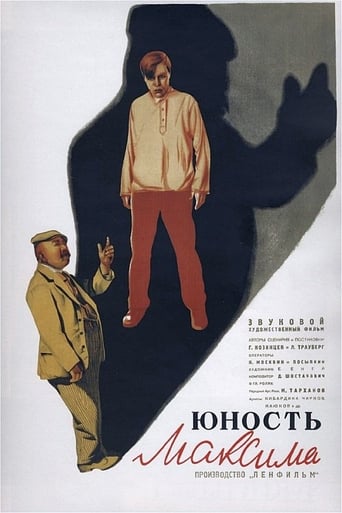
The Youth of Maxim
1935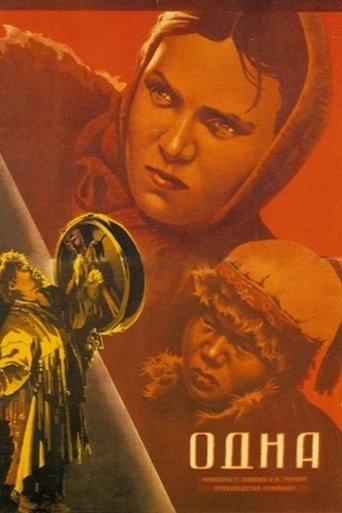
Alone
1931
The Girlfriends
1936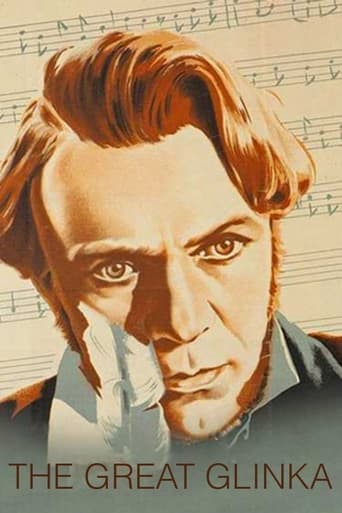
The Great Glinka
1946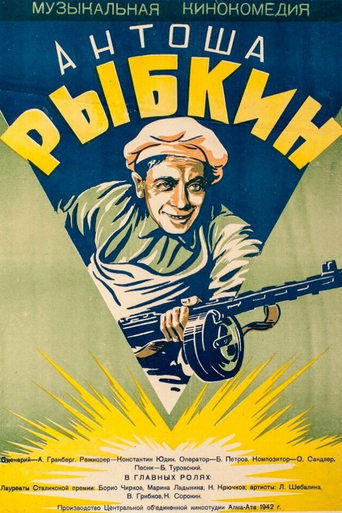
Antosha Rybkin
1942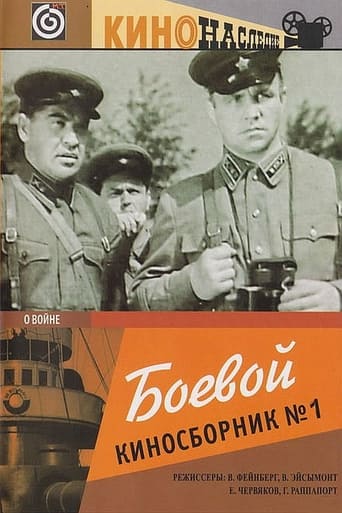
Collection of Films for the Armed Forces #1
1941
Collection of Films for the Armed Forces #3
1941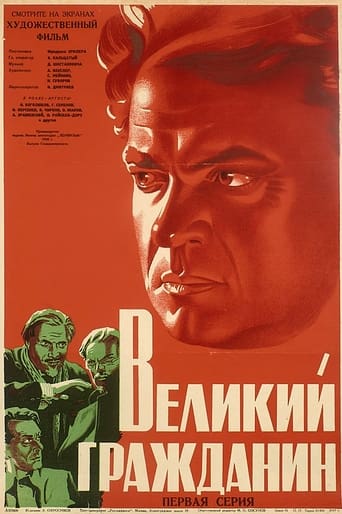
Great Citizen
1938
The Return of Maxim
1937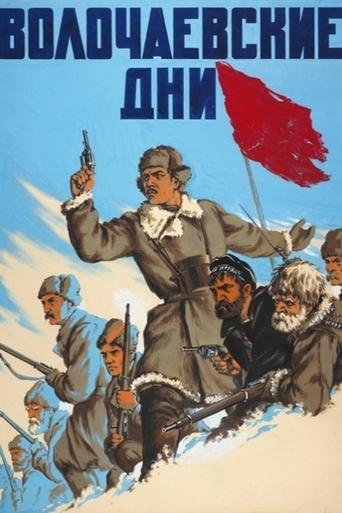
The Defense of Volotchayevsk
1937
The Vyborg Side
1939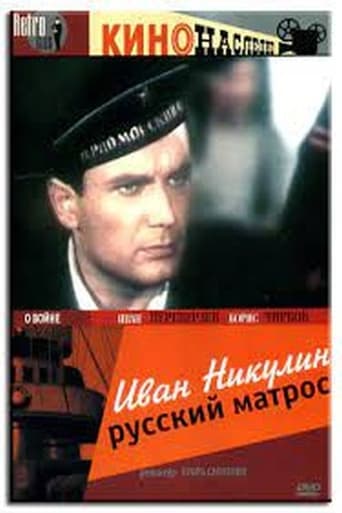
Ivan Nikulin: Russian Sailor
1944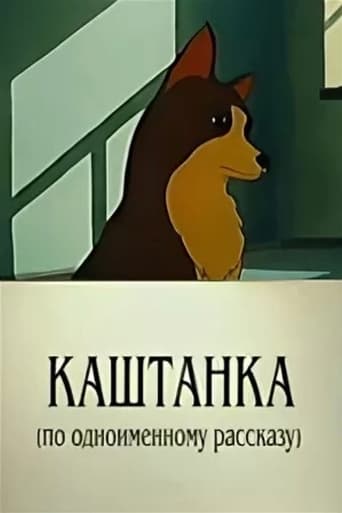
Kashtanka
1952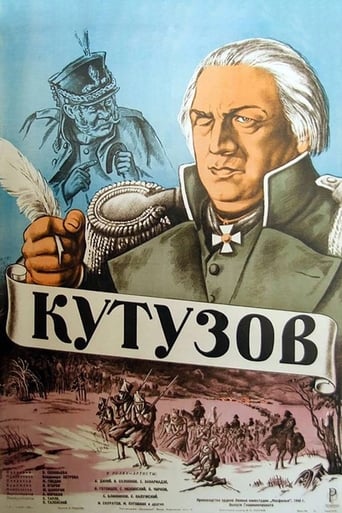
1812
1944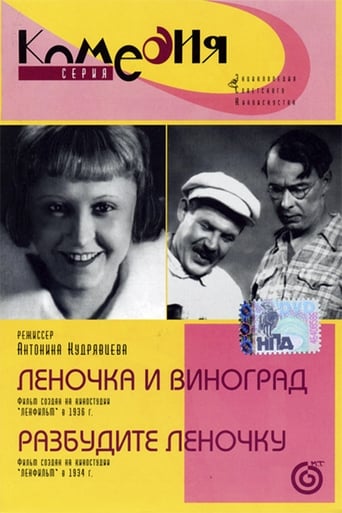
Helen and Grapes
1936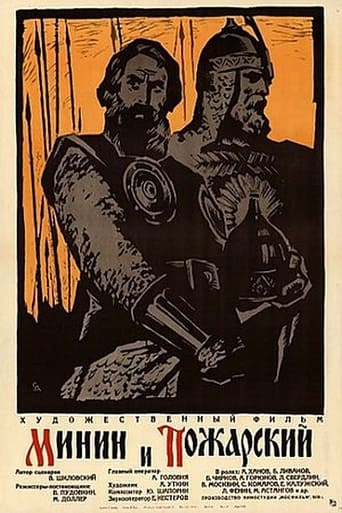
Minin and Pozharsky
1939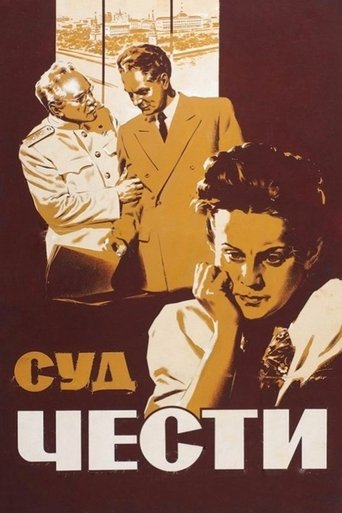
Court of Honor
1948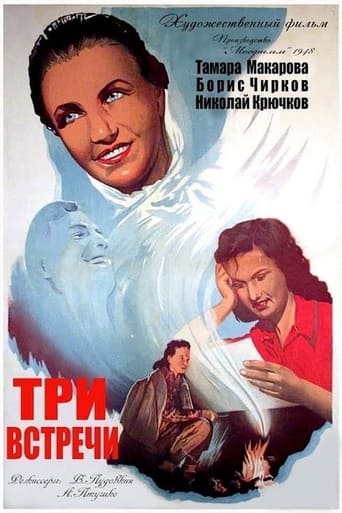
Three Encounters
1948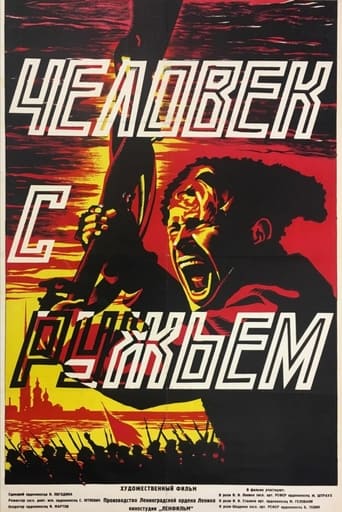
The Man with the Gun
1938
The Tale of the Fisherman and the Goldfish
1950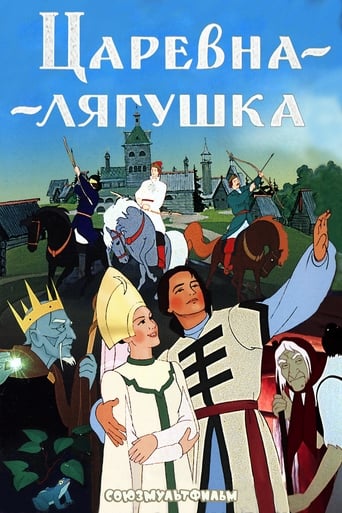
The Frog Princess
1954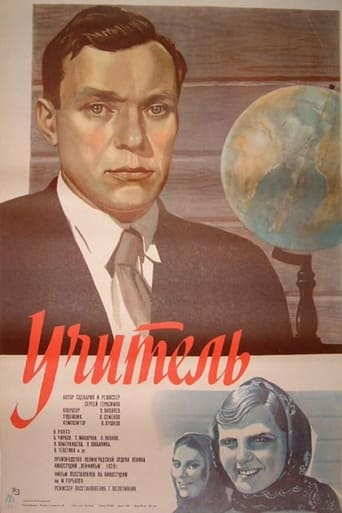
The New Teacher
1939
We Await Your Victorious Return
1941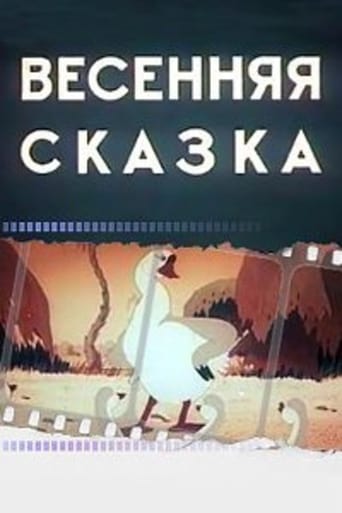
Spring Tale
1949About Boris Chirkov
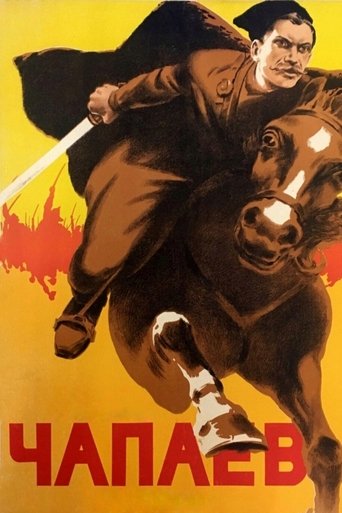
Boris Chirkov was among the leading actors of Soviet cinema, whose the formative decades of Russian film history. He rose to prominence with his breakthrough role as Petka in the film Chapayev (1934), which became and culturally significant films in Soviet cinema. His most enduring legacy comes from his portrayal of Maxim in the acclaimed trilogy consisting of The Youth of Maxim (1935), The Return of Maxim (1937), and The Vyborg Side (1939), which chronicled the journey of a young worker becoming a revolutionary. Throughout his career, Chirkov worked with many of the Soviet Union's most prominent directors and appeared in over 50 films that helped shape the cultural and ideological landscape of the USSR. He was renowned for his ability to embody the ideals of the Soviet hero while maintaining a remarkable human depth and authenticity in his performances. Chirkov's naturalistic yet powerful acting style made him a favorite among audiences and critics alike, earning him numerous state honors and recognition as one of the foundational figures of Russian cinema. Even after his active period in film, he continued to work in theater and television, remaining a respected figure in Soviet cultural life until his death in 1982.
The Craft
On Screen
Chirkov was known for his naturalistic and emotionally authentic acting style that combined technical precision with deep psychological insight. He had a remarkable ability to portray both ordinary workers and revolutionary heroes with equal conviction, bringing a human dimension to characters that could have easily become mere ideological symbols. His performances were characterized by their physical expressiveness, subtle emotional nuances, and the ability to convey complex inner states through minimal gestures. Unlike many actors of the socialist realist era, Chirkov maintained a sense of individuality and spontaneity in his performances while still embodying the heroic ideals demanded by Soviet cinema. His approach influenced generations of Soviet actors, demonstrating how to balance artistic authenticity with ideological requirements.
Milestones
- Breakthrough role as Petka in Chapayev (1934)
- Starred in the Maxim trilogy (1935-1939)
- Awarded Stalin Prize for acting (1941)
- Named People's Artist of the USSR (1950)
- Appeared in over 50 films during his career
- Worked with prominent Soviet directors Vasiliev brothers and Kozintsev
Best Known For
Iconic Roles
Must-See Films
Accolades
Won
- Stalin Prize (1941) for acting achievements
- Order of Lenin (multiple times)
- Order of the Red Banner of Labour
- Medal 'For the Defence of Leningrad'
- Medal 'For Valiant Labor in the Great Patriotic War 1941-1945'
Nominated
- Nominated for various state film awards throughout his career
Special Recognition
- People's Artist of the USSR (1950)
- People's Artist of the RSFSR (1947)
- Honored Artist of the RSFSR (1938)
Working Relationships
Worked Often With
Studios
Why They Matter
Impact on Culture
Boris Chirkov had an enormous cultural impact on Soviet cinema and society, becoming. His portrayal of Maxim created an archetype of the Soviet hero that influenced how revolutionary characters were depicted in subsequent films. The Maxim trilogy was not only artistically successful but also served as ideological education for generations of Soviet youth, with Chirkov's character representing the ideal transformation from worker to revolutionary. His performance in Chapayev helped establish the template for the Soviet war film genre, influencing countless subsequent productions. Chirkov's films were regularly shown in schools, factories, and collective farms as part of cultural education programs, making him a household name throughout the USSR. His ability to humanize ideological characters while maintaining their heroic stature made his work particularly influential in shaping Soviet cultural values and cinematic aesthetics.
Lasting Legacy
Boris Chirkov's legacy endures as one of the foundational figures of Soviet cinema, whose performances continue to be studied by film scholars and actors. The Maxim trilogy remains a landmark of Soviet filmmaking, with Chirkov's performance often cited as a masterpiece of socialist realist acting. His films are preserved in Russian film archives and are periodically screened at retrospectives of classic Soviet cinema. Film historians credit Chirkov with helping to establish a uniquely Soviet approach to film acting that balanced technical skill with ideological commitment. Several biographies and scholarly articles have been written about his contributions to Russian cinema, and his name appears in virtually every comprehensive history of Soviet film. The characters he created, particularly Maxim, have become part of Russia's cultural memory, referenced in literature, theater, and even political discourse. Acting schools in Russia continue to study his techniques as examples of how to create complex characters within ideological constraints.
Who They Inspired
Chirkov influenced generations of Soviet and Russian actors through his naturalistic yet ideologically committed approach to performance. His ability to portray revolutionary heroes with psychological depth set a standard for subsequent actors in similar roles. Younger actors studied his work in the Maxim trilogy as a model for how to embody socialist realist ideals while maintaining artistic integrity. Directors working in the Soviet system often referenced his performances when casting similar roles, and his collaboration with the Vasiliev brothers became a template for actor-director partnerships in Soviet cinema. His influence extended beyond film to theater, where his techniques were adopted by actors in dramatic productions throughout the USSR. Even after the collapse of the Soviet Union, Russian actors and directors continue to study his work as an example of how to create compelling performances within challenging political and artistic constraints.
Off Screen
Boris Chirkov was married to actress Galina Pashkova, with whom he often performed on stage and screen. The couple became. Their marriage lasted throughout Chirkov's life, and they supported each other's careers during the challenging political and cultural periods of Soviet history. Chirkov was known as a dedicated family man who maintained a relatively private personal life despite his immense public fame. He lived primarily in Moscow and Leningrad (now St. Petersburg) during his career, remaining active in the theatrical community even as his film career slowed in the 1950s.
Education
Graduated from the Leningrad Institute of Performing Arts (LGITMiK) in the late 1920s, where he studied under prominent theater teachers of the time. His formal training provided the foundation for his naturalistic acting style and technical versatility as a performer.
Family
- Galina Pashkova (married until his death in 1982)
Did You Know?
- Chapayev (1934), in which Chirkov starred, was
- The Maxim trilogy was one of the first film series in Soviet cinema to follow a single character through multiple films
- Chirkov was one of the few actors who successfully transitioned from silent films to sound films in the Soviet Union
- During World War II, he actively participated in front-line performances for Soviet troops
- His portrait appeared on Soviet postage stamps in recognition of his contributions to cinema
- Chirkov was known for his method preparation, often spending months researching the historical periods of his characters
- He was friends with many prominent Soviet writers and artists, including poet Vladimir Mayakovsky
- Despite his fame, Chirkov remained relatively humble and was known for his dedication to his craft
- The character of Maxim was so popular that it inspired a series of books and theatrical adaptations
- Chirkov continued acting in television roles well into the 1970s, though he is best remembered for his film work
In Their Own Words
An actor must not just play a role, he must live it, breathe it, and understand the soul of the character he portrays.
The greatest reward for an actor is not applause or awards, but when the audience believes in the truth of your character.
In Soviet cinema, we don't just entertain, we educate and inspire. Every role carries a responsibility to the people.
To play a revolutionary hero, one must understand not just the politics, but the human heart that beats for justice.
Frequently Asked Questions
Who was Boris Chirkov?
Boris Chirkov was. He was known for his naturalistic acting style and became a People's Artist of the USSR, the highest honor for artists in the Soviet Union.
What films is Boris Chirkov best known for?
Titles linked here include Chapayev (1934), The Youth of Maxim (1935).
When was Boris Chirkov born and when did he die?
Born August 15, 1901; died May 28, 1982.
What awards did Boris Chirkov win?
Chirkov received the prestigious Stalin Prize in 1941, was named People's Artist of the USSR in 1950, and was awarded multiple Orders of Lenin and the Order of the Red Banner of Labour for his contributions to Soviet cinema.
What was Boris Chirkov's acting style?
Chirkov was known for his naturalistic and emotionally authentic acting style that combined technical precision with deep psychological insight. He brought human depth to ideological characters while maintaining the heroic qualities required by Soviet cinema.
Did Boris Chirkov work with any famous directors?
Yes, Chirkov frequently collaborated with prominent Soviet directors including the Vasiliev brothers (Sergei and Grigori) who directed him in Chapayev, and Grigori Kozintsev and Leonid Trauberg with whom he worked on several projects.
What was Boris Chirkov's impact on Soviet cinema?
Chirkov had an enormous impact on Soviet cinema, helping establish the archetype of the Soviet hero through his role as Maxim. His films were used for cultural education throughout the USSR, and his naturalistic approach to acting influenced generations of Soviet performers.