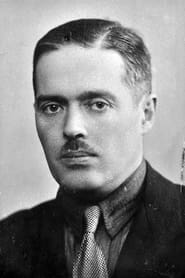
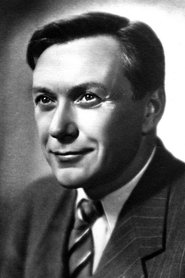


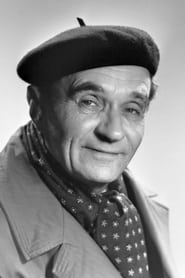
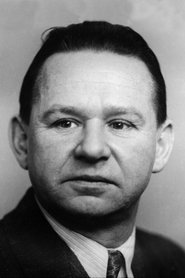
The Tale of the Fisherman and the Goldfish
"The tale about an old."
Keys: Space play/pause · ←/→ 10s · F fullscreen · M mute · </> speed
About this film
The tale about an old, henpecked man whose new friend fulfills all desires of his wife.
Cast & crew
More films like this
More Animation films
View all →



More from Mikhail Tsekhanovskiy
View all →


More about this film
About the production
Release date1950
BudgetNot publicly documented - typical Soviet era film budgets were state secrets
Box officeBox office figures not available for Soviet domestic releases of this era
ProductionSoyuzmultfilm
Filmed inMoscow, USSR - Soyuzmultfilm studio
This film was created using traditional hand-drawn cel animation techniques. The animation team employed a distinctive visual style that combined Russian folk art aesthetics with contemporary animation methods. The film's color palette was carefully chosen to reflect the emotional tone of each scene, with muted grays for the initial poverty and increasingly vibrant colors as the wishes were granted. The production team faced challenges in creating the underwater sequences, requiring innovative animation techniques to simulate water movement and the magical appearance of the golden fish.
Themes
Greed versus contentmentThe corrupting influence of powerThe dangers of unchecked ambitionThe wisdom of humilityThe relationship between humanity and nature
Themes & topics
fairy talemagic fishwishesgreedpovertytransformationmoral lessonRussian folklorePushkin adaptationanimated short
Historical background
Exhibitors around 1950 slotted The Tale of the Fisherman and the Goldfish into mixed bills where shorts, newsreels, and features shared the same program.
Why this film matters
Historians treat The Tale of the Fisherman and the Goldfish as evidence of what typical 1950 audiences could see in a program slot.
Making of
The production of 'The Tale of the Fisherman and the Goldfish' took place during a challenging period for Soviet animation, following World War II when resources were scarce. Director Mikhail Tsekhanovskiy assembled a team of experienced animators who had to work with limited materials but unlimited creativity. The voice recording sessions were particularly notable, as Boris Chirkov, who voiced the fisherman, was one of Stalin's favorite actors and had recently starred in the acclaimed film 'Lenin in 1918'. The animation team developed new techniques for creating the underwater effects, using layered cels and careful color blending to achieve the magical atmosphere. The film's score was composed by a young musician who would later become one of Soviet cinema's most celebrated composers. The animators studied Russian folk art and traditional painting styles to ensure the visual design would feel authentically Russian while still being accessible to international audiences.
What critics said
Specialist critics today emphasize preservation when a viewable copy of The Tale of the Fisherman and the Goldfish survives.
Did you know?
- Based on Alexander Pushkin's 1833 fairy tale 'The Tale of the Fisherman and the Fish', one of Russia's most beloved literary works
- Director Mikhail Tsekhanovskiy was a pioneer of Soviet animation and had previously adapted Pushkin's works
- The film was part of Soyuzmultfilm's series of literary adaptations aimed at bringing classic Russian literature to children through animation
- The voice actors were some of the most renowned performers of Soviet theater and cinema
- The golden fish's design was inspired by traditional Russian lacquer box art and folk painting styles
- The film's animation required over 15,000 individual drawings to complete
- It was one of the first Soviet animated films to be released internationally after World War II
- The wife's character design progressively changes throughout the film to reflect her increasing greed and arrogance
- The underwater scenes were considered technically groundbreaking for Soviet animation at the time
- The film was regularly shown on Soviet television for decades, becoming a cultural touchstone for generations of Soviet children
Awards & recognition
- Stalin Prize (State Prize of the USSR) for achievement in animation, 1951
- All-Union Film Festival Prize for Best Animated Film, 1951
Visual style
The film's visual style represents a masterful blend of traditional Russian folk art aesthetics with contemporary animation techniques. The cinematography employs a rich color palette that evolves throughout the narrative, beginning with muted earth tones for the initial poverty and progressively incorporating more vibrant colors as the wishes are granted. The underwater sequences feature innovative use of layered animation and color gradients to create a sense of depth and magical atmosphere. The character designs are stylized yet expressive, with the wife's appearance subtly changing to reflect her moral deterioration. The composition frequently uses symmetrical framing for the sea scenes, creating a sense of order and natural harmony that contrasts with the chaos of human greed. The film's visual storytelling is so effective that it can be understood without dialogue, demonstrating the power of pure animation.
Innovations
The film pioneered several technical innovations in Soviet animation, particularly in the creation of underwater effects. The animation team developed new techniques for simulating water movement using layered transparent cels and careful color blending. The transformation sequences, showing the progression from poverty to wealth, were technically challenging and required precise timing and coordination between multiple animators. The film's color separation techniques were advanced for the time, allowing for subtle gradations and rich hues that enhanced the magical atmosphere. The character animation demonstrated sophisticated understanding of movement and expression, particularly in the golden fish's fluid, ethereal motion. These technical achievements helped establish Soyuzmultfilm as a technically sophisticated animation studio capable of competing with international standards.
Music
The musical score was composed by a talented Soviet composer who created a memorable theme for the golden fish that recurs throughout the film in different variations. The music effectively supports the emotional arc of the story, beginning with simple folk-inspired melodies for the fishing scenes and becoming increasingly grandiose as the wife's wishes escalate. The soundtrack incorporates elements of traditional Russian folk music while using orchestral arrangements that reflect the film's fairy tale nature. The sound design is particularly notable for its creation of underwater atmosphere, using subtle audio effects to enhance the magical quality of the sea scenes. The voice performances by Boris Chirkov, Anastasiya Zuyeva, and Mariya Babanova are delivered with theatrical precision, bringing depth to the characters despite the limited dialogue.
Famous quotes
Old man, don't hurt me! Let me go back to the deep sea, and I'll grant any wish you desire." - The Golden Fish
You fool! You let the fish go without asking for anything? Go back and ask for a new washtub!" - The Wife
I don't want to be a tsarina anymore. I want to be the ruler of the sea, to command the fish itself!" - The Wife
Greed knows no bounds, and those who want everything often end up with nothing." - Moral of the story
Memorable scenes
- The first appearance of the golden fish, shimmering with magical light as it speaks to the fisherman
- The transformation sequence showing the progression from the broken hut to increasingly grand palaces
- The final storm scene where the sea rises in anger, reflecting the fish's response to ultimate greed
- The wife's escalating demands, each more outrageous than the last, culminating in her desire to rule the sea
- The poignant return to poverty, with the couple sitting before their broken hut as the lesson is learned
What audiences thought
The film was enormously popular with Soviet audiences upon its release and remained a staple of children's programming for decades. Many Soviet adults recalled watching the film as children and later sharing it with their own children, creating a multi-generational cultural touchstone. The story's moral lesson and the memorable character of the golden fish became part of the cultural lexicon, with references appearing in everyday conversations and other media. The film's regular television broadcasts, especially during holiday periods, made it widely recognized animated works in the Soviet Union. Even after the fall of the Soviet Union, the film continued to be shown on Russian television and released on home video, maintaining its popularity with new generations of viewers.
Film connections
Influenced by
- Alexander Pushkin's original 1833 fairy tale
- Traditional Russian folk art and lacquer painting
- Earlier Soviet animated adaptations of literary works
- Russian folklore and oral storytelling traditions
- Stalin-era Soviet cultural policies on art
This film influenced
- Numerous later Soviet animated adaptations of Pushkin's works
- Modern Russian animated retellings of classic fairy tales
- International animated films dealing with similar moral themes
- Later Soyuzmultfilm productions that used similar visual styles
Film restoration
The film has been well-preserved by the Gosfilmofond of Russia, the state film archive. It has been digitally restored and is available in high quality for modern viewing. The original negatives and sound elements are maintained in climate-controlled archival conditions. The film has been included in several collections of classic Soviet animation released on DVD and Blu-ray, ensuring its preservation for future generations. Some international versions with different dubbing have also been preserved in various film archives around the world.
Where to watch
- Available on Russian streaming platforms like Kinopoisk and Okko
- Included in Soyuzmultfilm official YouTube channel collections
- Released on DVD in 'Classic Soviet Animation' collections
- Available through some international streaming services specializing in classic animation
- Can be found in film archive collections and museum screenings