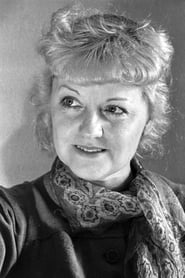
Mariya Babanova
Actor
Born: November 11, 1900 in Moscow, Russian Empire Died: March 20, 1983 Active: 1924-1983 Birth Name: Mariya Ivanovna Babanova
Films
7 films


About Mariya Babanova
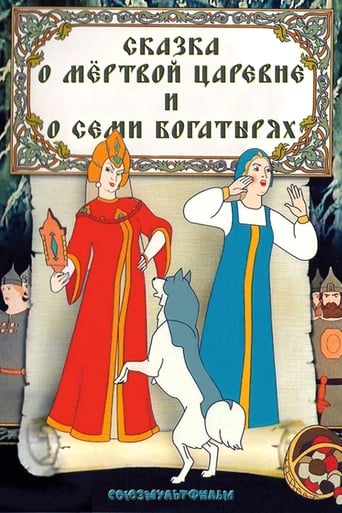
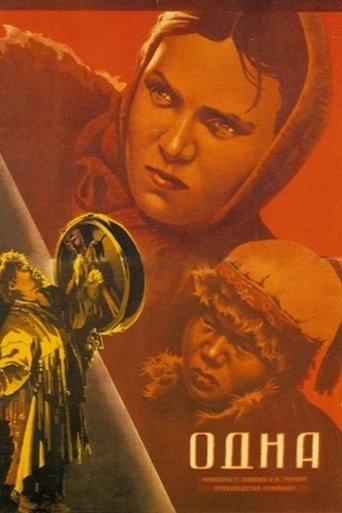
Mariya Ivanovna Babanova — Soviet actress renowned for her exceptional voice work in animation and her accomplished stage career. Born in Moscow in 1900, she studied at the prestigious Vakhtangov Theatre School and became a prominent member of the Vakhtangov Theatre company. Her cinematic career flourished during the golden age of Soviet animation, where she became recognizable voice actresses, particularly in fairy tale adaptations. Babanova's distinctive, crystalline voice brought life to numerous animated characters, with her most celebrated performance being the Goldfish in 'The Tale of the Fisherman and the Goldfish' (1950). Beyond voice work, she appeared in live-action films including 'Alone' (1931) and maintained a successful stage career spanning several decades. Her contributions to Soviet cinema and theatre were recognized with numerous honors, including the title of People's Artist of the RSFSR. Babanova's legacy Russian voice acting and animation, with her performances remaining in Russian cultural memory.
The Craft
On Screen
Babanova was known for her crystalline, expressive voice that could convey both innocence and wisdom. Her acting style combined theatrical precision with natural emotional depth, making her particularly suited for fairy tale characters. She possessed remarkable vocal range and could create distinct personalities through voice alone, a skill that made her invaluable in animation. Her stage performances were characterized by subtle gestures and powerful emotional delivery, while her voice work demonstrated exceptional clarity and musicality.
Milestones
- Graduated from Vakhtangov Theatre School (1924)
- Joined the Vakhtangov Theatre company
- Breakthrough role in 'Alone' (1931)
- Iconic voice performance as Goldfish in 'The Tale of the Fisherman and the Goldfish' (1950)
- Awarded People's Artist of the RSFSR (1946)
- Extensive collaboration with Soyuzmultfilm animation studio
- work in Soviet voice acting for animation
Best Known For
Iconic Roles
Must-See Films
Accolades
Won
- People's Artist of the RSFSR (1946)
- Order of the Red Banner of Labour
- Order of the Badge of Honour
- Stalin Prize (1946)
Special Recognition
- Honored Artist of the RSFSR (1937)
- People's Artist of the RSFSR (1946)
- Vakhtangov Theatre's leading actress for decades
Working Relationships
Worked Often With
Studios
Why They Matter
Impact on Culture
Mariya Babanova fundamentally shaped the landscape of Soviet voice acting in animation, establishing standards for vocal performance that would influence decades of Russian animation. Her portrayal of the Goldfish became an iconic part of Soviet cultural heritage, with generations of Russian children growing up with her voice. She helped elevate animation voice work from mere narration to true character creation, demonstrating that voice alone could convey complex emotions and personalities. Her work contributed to the golden age of Soviet animation, helping establish it as a respected art form both domestically and internationally.
Lasting Legacy
Babanova's legacy endures through her timeless voice performances that continue to captivate audiences in Russia and former Soviet republics. Her work in animation voice acting created a template for future generations of Russian voice actors. The Vakhtangov Theatre, where she spent her career, continues to honor her memory and contributions to Russian theatre. Her recordings remain valuable teaching tools for aspiring voice actors and performers studying the art of vocal expression. She is remembered as.
Who They Inspired
Babanova influenced the entire field of Russian voice acting, demonstrating how vocal performance could elevate animated characters to memorable artistic creations. Her techniques in voice characterization became standard practice in Soviet animation studios. Many subsequent Russian voice actors cite her work as inspiration, particularly her ability to create distinct personalities through voice alone. Her approach to combining theatrical training with voice work influenced how actors prepare for voice roles in Russian cinema and animation.
Off Screen
Mariya Babanova dedicated her life primarily to her art, maintaining a relatively private personal life. She was deeply committed to the Vakhtangov Theatre, where she spent most of her professional career. Known for her professionalism and dedication to craft, she was respected by colleagues for her work ethic and artistic integrity. She never married and had no children, focusing entirely on her theatrical and cinematic career.
Education
Vakhtangov Theatre School (graduated 1924)
Did You Know?
- Her voice as the Goldfish is considered
- She was one of the first professional voice actresses in Soviet cinema
- Despite her fame in animation, she considered theatre her primary artistic home
- Her voice recordings are still used in Russian language teaching materials for their clarity
- She worked at the Vakhtangov Theatre for nearly 60 years
- Her performance in 'Alone' (1931) was one of her few major live-action film roles
- She often performed in multiple fairy tale adaptations by Pushkin
- Her voice was described by critics as 'crystal clear and enchanting'
- She continued performing well into her 70s
- Her Goldfish performance was used in multiple versions and adaptations over the years
In Their Own Words
The voice is not just sound, it's the soul of the character speaking through you
In fairy tales, the voice must carry the magic of the story itself
Animation gives voice to the impossible, and the actor must make that impossible feel real
Frequently Asked Questions
Who was Mariya Babanova?
Renowned Soviet actress and voice performer, best known for her exceptional voice work in Soviet animation, particularly as the Goldfish in 'The Tale of the Fisherman and the Goldfish.' She was also a stage actress at the Vakhtangov Theatre for nearly six decades.
What films is Mariya Babanova best known for?
Titles linked here include The Tale of the Fisherman and the Goldfish (1950), Alone (1931).
When was Mariya Babanova born and when did she die?
Born November 11, 1900; died March 20, 1983.
What awards did Mariya Babanova win?
Babanova received numerous honors including the title of People's Artist of the RSFSR (1946), Honored Artist of the RSFSR (1937), the Stalin Prize (1946), Order of the Red Banner of Labour, and Order of the Badge of Honour for her contributions to Soviet art and culture.
What was Mariya Babanova's acting style?
Babanova was known for her crystalline, expressive voice with remarkable range and clarity. Her style combined theatrical precision with natural emotional depth, making her particularly suited for fairy tale characters. She excelled at creating distinct personalities through voice alone, a skill that made her invaluable in animation.
How did Mariya Babanova influence Soviet animation?
Babanova pioneered professional voice acting in Soviet animation, establishing standards for vocal performance that influenced generations. She demonstrated that voice alone could convey complex emotions and personalities, helping elevate animation from simple entertainment to respected art form in Soviet culture.
Was Mariya Babanova primarily a film or theatre actress?
While famous for her film voice work, Babanova was primarily a theatre actress, spending nearly 60 years with the Vakhtangov Theatre. She considered the stage her artistic home, though her voice work in animation made her widely known to Soviet audiences.