

The Tale of the Dead Princess and the Seven Knights
"Pushkin's fairy tale of a princess, seven knights, and a jealous queen."
Keys: Space play/pause · ←/→ 10s · F fullscreen · M mute · </> speed
About this film
Pushkin fairy tale animated on the story of Alexander Pushkin. The new king's wife wants to get rid of their stepdaughter and expels it to certain death in the forest. Princess finds refuge in the forest in the seven bogatyrs. The queen, finds out about it and poisons her...
Cast & crew
More films like this
More Animation films
View all →



More from Ivan Ivanov-Vano
View all →



More about this film
About the production
Release date1951
Box officeNot publicly tracked in Soviet era - films were distributed through state channels
ProductionSoyuzmultfilm
Filmed inMoscow, Soviet Union - Soyuzmultfilm Studios
This film was created using traditional cel animation techniques with hand-painted backgrounds. The production team took great care to authentically represent Russian folk art traditions in the visual design, incorporating elements of traditional Russian lacquer boxes and folk paintings. The animation was particularly noted for its fluid character movements and rich, detailed backgrounds that captured the essence of Russian fairy tale illustrations.
Themes
Good versus evilThe power of jealousyTrue love and loyaltyThe triumph of innocenceRussian cultural heritage
Themes & topics
fairy taleevil queenpoisoned applemagic mirrorbogatyrsforestenchantmentstepmotherprincessRussian folkloretrue love's kissbetrayalfriendship
Historical background
Production circa 1951 situates The Tale of the Dead Princess and the Seven Knights within the technical limits of its era—intertitles, fixed cameras, and studio-bound sets shaped every creative choice.
Why this film matters
Archivists and festival programmers revisit The Tale of the Dead Princess and the Seven Knights (1951) because it documents performance styles and craft choices that later mainstream releases refined or replaced.
Making of
Director Ivan Ivanov-Vano, often called the 'Disney of the Soviet Union,' approached this adaptation with deep respect for Pushkin's original text while making it accessible to children. The production team spent months researching authentic Russian folk art to ensure visual authenticity. The voice recording sessions were conducted with live orchestral accompaniment, unusual for animation at the time. The animators faced particular challenges in creating the seven distinct bogatyrs, each requiring unique character design and movement patterns. The poison apple sequence involved complex multi-plane camera work to achieve the dreamlike effect. The film's color palette was carefully chosen to reflect the changing moods of the story, from the dark, oppressive castle to the warm, welcoming forest cottage.
What critics said
Specialist critics writing today emphasize preservation and access—praising archives when a viewable copy of The Tale of the Dead Princess and the Seven Knights survives rather than overstating original buzz.
Did you know?
- This was one of Ivan Ivanov-Vano's most celebrated works, considered a masterpiece of Soviet animation
- The film is based on Alexander Pushkin's 1833 poem 'The Tale of the Dead Princess and the Seven Knights'
- The seven bogatyrs in the film represent different aspects of Russian heroic tradition, each with distinct personalities and appearances
- The voice actors were some of the most renowned performers in Soviet theater and film of the era
- The film's visual style was heavily influenced by Russian folk art, particularly Palekh and Kholui lacquer miniature painting
- Unlike Disney's Snow White, the seven protectors are not dwarves but full-grown heroic warriors (bogatyrs)
- The magic mirror sequence was considered technically innovative for its time, using special animation techniques to create a mystical effect
- The film was part of a series of Pushkin adaptations by Ivanov-Vano, who was known as the 'Patriarch of Soviet Animation'
- The poisoned apple scene took weeks to animate due to its complex multi-layered effects
- The film was restored in the 2000s as part of a major project to preserve classic Soviet animations
Awards & recognition
- State Prize of the USSR (1952)
- Venezia Film Festival Special Mention (1952)
- All-Union Film Festival First Prize (1952)
Visual style
The film's visual style was groundbreaking for its time, featuring richly detailed backgrounds inspired by Russian folk art traditions. The animation employed sophisticated multi-layered techniques to create depth and atmosphere. The color scheme evolved throughout the narrative, using warm golden tones for the princess's happy scenes and cold blues for the queen's evil domain. The character animation was particularly notable for its fluidity and expressiveness, with each of the seven bogatyrs having distinct movement patterns reflecting their individual personalities. The film used innovative camera movements and transitions that were unusual for animation of the period.
Innovations
The film pioneered several animation techniques in Soviet cinema, including advanced multi-plane camera effects for the magical sequences. The poison apple scene featured innovative use of color shifting and transparency effects to create the illusion of enchantment. The animation team developed new methods for animating flowing fabric and hair, particularly evident in the princess's movements. The film's complex crowd scenes with the seven bogatyrs required new approaches to character interaction and choreography. The restoration project in the 2000s revealed the sophisticated layering techniques used in the original production.
Music
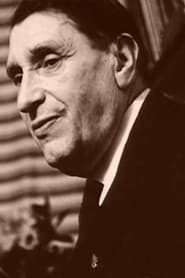
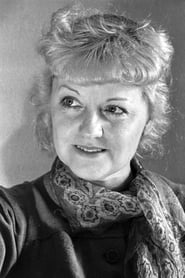
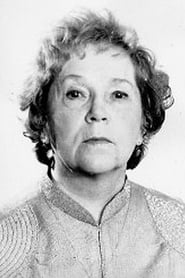
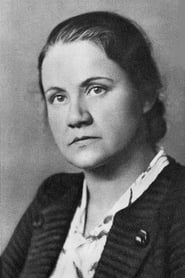
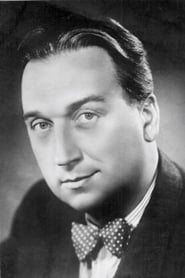
The musical score was composed by a team led by Viktor Oransky, incorporating elements of Russian folk music and classical traditions. The soundtrack featured original songs that became popular in their own right. The voice work by Nikolay Litvinov, Mariya Babanova, and Valentina Sperantova was recorded with full orchestral accompaniment, giving the film a theatrical quality. Sound effects were carefully crafted to enhance the magical elements of the story, from the mirror's mystical chimes to the enchanted apple's subtle glow. The music successfully blended Pushkin's poetic rhythm with traditional Russian musical motifs.
Famous quotes
Mirror, mirror on the wall, who is the fairest of them all?
In the deep forest, among the ancient pines, stands a mansion where heroes dwell
A poisoned apple, red as blood, sweet as honey, deadly as night
Seven brave knights, seven loyal hearts, protect the princess from all harms
True love's kiss can break any spell, stronger than magic, deeper than time
Memorable scenes
- The magic mirror sequence where the evil queen discovers the princess is still alive, featuring innovative animation effects and dramatic lighting
- The princess's discovery of the bogatyrs' mansion, with its warm, welcoming interior and the seven heroic figures
- The poisoned apple scene, where the disguised queen tempts the princess with the enchanted fruit
- The final awakening scene, where true love breaks the spell and the princess returns to life
- The opening sequence establishing the queen's jealousy and the mirror's revelation
What audiences thought
The film was enormously popular with Soviet audiences upon its release and has remained a beloved classic through generations. Children were particularly enchanted by the magical elements and heroic bogatyrs, while adults appreciated the literary quality and artistic merit. The film became a holiday television tradition in Russia and other former Soviet republics. Audience letters from the period show that many viewers considered it superior to Western fairy tale animations due to its cultural authenticity and artistic depth. Modern Russian audiences continue to rate it among their favorite animated films of all time.
Film connections
Influenced by
- Alexander Pushkin's original 1833 poem
- Russian folk art traditions
- Russian lacquer miniature painting
- Classical Russian literature
- Traditional Slavic folklore
- Soviet animation traditions
This film influenced
- The Snow Queen (1957)
- The Enchanted Boy (1955)
- Later Soviet fairy tale animations
- Modern Russian animated adaptations of classic literature
Film restoration
The film has been digitally restored by the Gosfilmofond of Russia as part of their classic Soviet animation preservation project. The restoration was completed in the early 2000s, with careful attention to preserving the original color palette and animation quality. The original negatives are stored in the Russian State Archive of Film and Photo Documents. The restored version has been released on DVD and is available through various streaming platforms specializing in classic cinema.
Where to watch
- Available on YouTube through official Soyuzmultfilm channels
- Streaming on specialized classic film platforms
- Available on DVD from Russian cinema distributors
- Occasionally broadcast on Russian television channels
- Accessible through film archive streaming services
- Available in some international animation collections