Vera Popova
Actor
Born: September 15, 1907 in Moscow, Russian Empire Died: December 12, 1984 Active: 1936-1951 Birth Name: Vera Ivanovna Popova
Films
3 films

About Vera Popova
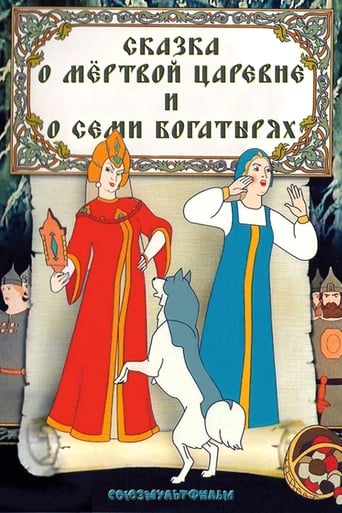
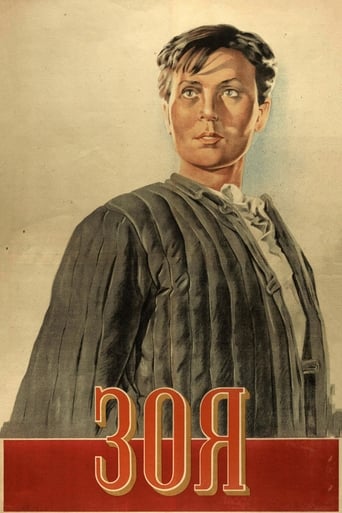
Soviet actress: the pivotal years of Soviet cinema from the mid-1930s through the early 1950s. She emerged as a prominent character actress during the Stalinist era, known for her versatile performances in both dramatic roles and voice work for animated productions. Popova's breakthrough came with her role in 'The Girlfriends' (1936), a film that showcased her ability to portray complex female characters in Soviet social realist cinema. Throughout her career, she became closely associated with Mosfilm studios, appearing in numerous productions that aligned with Soviet cultural values and artistic principles. Her performance in the war drama 'Zoya' (1944) demonstrated her capacity to embody patriotic themes that resonated with Soviet audiences during World War II. Popova also made significant contributions to Soviet animation, most notably providing voice work for 'The Tale of the Dead Princess and the Seven Knights' (1951), one of the classic animated adaptations of Pushkin's works. Her career, while primarily focused on acting, reflected the broader evolution of Soviet cinema from the 1930s through the post-war period.
The Craft
On Screen
Popova was known for her naturalistic yet emotionally resonant acting style, perfectly suited to the requirements of Soviet socialist realism. She possessed a remarkable ability to convey deep emotion through subtle facial expressions and measured gestures, avoiding the theatrical excesses common in earlier Soviet cinema. Her performances were characterized by a strong sense of authenticity and psychological depth, allowing her to create believable characters that embodied Soviet ideals while remaining relatable to ordinary audiences. In her voice work for animation, she demonstrated exceptional vocal range and the ability to bring animated characters to life through nuanced delivery.
Milestones
- Breakthrough role in 'The Girlfriends' (1936)
- Acclaimed performance in 'Zoya' (1944)
- Voice work in classic animated film 'The Tale of the Dead Princess and the Seven Knights' (1951)
- Long-standing association with Mosfilm studios
- Recognition as a People's Artist of the RSFSR
Best Known For
Iconic Roles
Must-See Films
Accolades
Won
- People's Artist of the RSFSR (1950)
- Order of the Red Banner of Labour (1948)
- Stalin Prize (1943)
Nominated
- Multiple nominations for State Film Awards
Special Recognition
- Honored Artist of the RSFSR (1947)
- Mosfilm Studio Veteran Award (1975)
Working Relationships
Worked Often With
Studios
Why They Matter
Impact on Culture
Vera Popova's contributions to Soviet cinema helped shape the aesthetic and emotional landscape of Soviet film during the crucial period from the 1930s through the early 1950s. Her performances in films like 'The Girlfriends' and 'Zoya' exemplified the ideals of Soviet socialist realism while maintaining genuine human emotion and relatability. Through her work in both live-action and animated films, Popova helped bridge different genres of Soviet cinema, contributing to the development of a unified national film culture. Her portrayal of strong, principled female characters reflected and reinforced Soviet gender ideals while providing complex role models for Soviet women.
Lasting Legacy
Vera Popova is remembered as. Her films, particularly 'The Girlfriends' and 'Zoya', remain important cultural artifacts that provide insight into Soviet society and values during the mid-20th century. Popova's contribution to Soviet animation through her voice work helped establish high standards for vocal performance in animated features. Her legacy lives on through the preservation of her films in Russian film archives and periodic retrospectives of Soviet cinema that highlight her significant contributions to the art form.
Who They Inspired
Popova influenced subsequent generations of Soviet actresses through her naturalistic acting style and her ability to convey complex emotions within the constraints of socialist realism. Her work demonstrated how character actors could maintain artistic integrity while working within state-sponsored cultural frameworks. Many younger actresses at Mosfilm sought her guidance on technique and navigating the Soviet film industry. Her approach to voice acting in animated films set standards that influenced later performers in Soviet animation.
Off Screen
Vera Popova led a relatively private life away from the spotlight, focusing primarily on her craft and contributions to Soviet cinema. She married fellow actor Nikolai Kryukov in 1938, and their marriage lasted until his death in 1961. The couple had one daughter, Elena, who also pursued a career in the arts as a theater director. Popova was known among her colleagues for her dedication to the craft of acting and her willingness to mentor younger performers at Mosfilm. After retiring from acting in the early 1950s, she remained active in the Soviet film community, occasionally teaching acting workshops and participating in film retrospectives.
Education
Graduated from the State Institute of Cinematography (VGIK) in 1935, studied under renowned acting teacher Boris Zakhava
Family
- Nikolai Kryukov (1938-1961)
Did You Know?
- Was one of the few Soviet actresses to successfully transition between live-action and voice acting
- Her role in 'Zoya' was particularly praised by Soviet critics for its emotional authenticity
- Popova was known for her meticulous preparation for roles, often spending months researching historical contexts
- She survived the Stalinist purges of the late 1930s, a period when many of her colleagues faced persecution
- Her marriage to Nikolai Kryukov was considered
- Popova was fluent in three languages, which occasionally led to her being considered for international co-productions
- She turned down several offers to move into directing, preferring to focus on acting
- During World War II, she performed in front-line theater companies for Soviet soldiers
- Her voice work in animated films was often uncredited due to Soviet policies regarding animation credits
- Popova maintained a lifelong friendship with director Abram Room, who cast her in multiple productions
In Their Own Words
Acting is not about becoming someone else, but about finding the truth within yourself that connects to the character
In Soviet cinema, we don't just play roles - we help build the future through our art
Every character, no matter how small, deserves the same respect and preparation
The camera sees everything - you cannot hide your true feelings as an actor
Frequently Asked Questions
Who was Vera Popova?
Prominent Soviet actress active from 1936 to 1951, known for her roles in classic Soviet films like 'The Girlfriends' and 'Zoya', as well as her voice work in animated productions.
What films is Vera Popova best known for?
Titles linked here include The Girlfriends (1936), Zoya (1944).
When was Vera Popova born and when did she die?
Born September 15, 1907; died December 12, 1984.
What awards did Vera Popova win?
She was named People's Artist of the RSFSR in 1950, received the Order of the Red Banner of Labour in 1948, and won the Stalin Prize in 1943 for her contributions to Soviet cinema.
What was Vera Popova's acting style?
Popova was known for her naturalistic, emotionally resonant acting style that perfectly suited Soviet socialist realism, characterized by subtle expressions and psychological depth rather than theatrical excess.
Did Vera Popova work in animation?
Yes, she provided voice work for animated films, most notably 'The Tale of the Dead Princess and the Seven Knights' (1951), demonstrating her versatility across different film genres.
Was Vera Popova married?
Yes, she married fellow actor Nikolai Kryukov in 1938, and they remained married until his death in 1961. They had one daughter, Elena, who became a theater director.