

The Girlfriends
"The Girlfriends (1936)"
Keys: Space play/pause · ←/→ 10s · F fullscreen · M mute · </> speed
About this film
Girlfriends Zoya, Natasha and Asya live in Petrograd. Before the Civil War, young heroines are aware of the social injustice of life. When the war begins, the girls are recorded by the orderlies of the working group to protect the Bolshevik Petrograd from the advance of the whites.
Cast & crew
More films like this
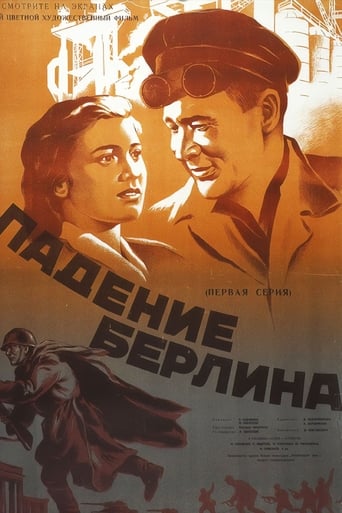
More War films
View all →

More from Lev Arnshtam
View all →
More about this film
About the production
Release dateDecember 27, 1936 (Soviet Union premiere)
Box officeUnknown - Soviet films did not track commercial box office in the Western sense
ProductionLenfilm Studio (Leningrad Film Studio)
Filmed inLeningrad (now St. Petersburg), Soviet Union, Studio locations at Lenfilm
The film was produced during Stalin's cultural consolidation period, when socialist realism became the mandated artistic style. Director Lev Arnshtam, who was also a composer, brought a musical sensibility to the film's pacing and emotional rhythms. The production faced the typical challenges of Soviet filmmaking in the 1930s, including limited resources and strict ideological oversight from state censors. The film was shot on black and white 35mm film using available technology of the era, with location shooting in actual Leningrad neighborhoods to maintain authenticity.
Themes
Revolutionary idealismFemale friendship and solidarityClass consciousnessSacrifice for the collective goodComing of age during wartime
Themes & topics
Russian Civil WarPetrogradRed ArmyBolshevik RevolutionMedical orderliesWorking classPolitical awakeningFriendshipWar traumaRevolutionary sacrifice
Historical background
The Girlfriends (1936) emerged during the studio-system peak and early sound decades, when exhibition habits and national film industries were still taking shape.
Why this film matters
The Girlfriends remains accessible through digital archives, giving modern viewers a direct link to 1936 screen culture.
Making of
The making of 'The Girlfriends' reflected the highly controlled nature of Soviet film production in the 1930s. Director Lev Arnshtam, working within the strict parameters of socialist realism, had to balance artistic expression with ideological requirements. The casting process emphasized not just acting ability but also the actors' 'proletarian' backgrounds and political reliability. The film's production coincided with the height of Stalin's purges, which created an atmosphere of fear and conformity in the film industry. Arnshtam, who had previously worked as a composer, paid special attention to the musical score, collaborating with prominent Soviet composers to create a soundtrack that would emotionally reinforce the revolutionary narrative. The battle scenes were filmed using actual Red Army personnel as extras, adding authenticity but also requiring careful coordination with military authorities.
What critics said
Modern write-ups on The Girlfriends (1936) tend to focus on preservation status, stylistic choices, and placement within director or studio filmographies.
Did you know?
- This was director Lev Arnshtam's directorial debut, though he had previously worked as an assistant director and composer
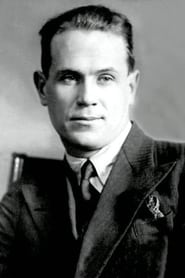
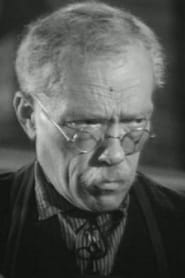
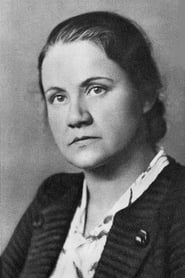
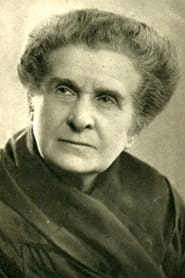
- The three lead actresses - Zoya Fyodorova, Irina Zarubina, and Yanina Zheymo - were all rising stars in Soviet cinema and would go on to have significant careers
- The film was one of the first Soviet productions to focus specifically on women's roles in the revolutionary struggle
- Zoya Fyodorova would later become widely praised Soviet actresses, though her personal life was marked by tragedy, including her daughter's defection to the United States
- The film was part of a wave of Civil War-themed movies released in the mid-1930s as Stalin sought to legitimize his regime through historical narratives
- Director Arnshtam was married to renowned Soviet composer Dmitri Shostakovich's sister, Maria, which influenced his musical approach to filmmaking
- The film was briefly banned during Khrushchev's thaw period due to its Stalin-era propaganda elements, though it was later rehabilitated
- Yanina Zheymo, who played Asya, was nicknamed the 'Soviet Shirley Temple' for her youthful appearance and popularity in children's roles
Awards & recognition
- Order of the Red Banner of Labour (awarded to director Lev Arnshtam for the film)
Visual style
The cinematography by Yevgeni Shapiro employed the dramatic lighting techniques characteristic of 1930s Soviet cinema, using high contrast to emphasize the moral clarity of the narrative. The camera work combined static, composed shots for dialogue scenes with more dynamic movement during action sequences. Shapiro made effective use of location shooting in Leningrad to create authentic urban settings, particularly in scenes depicting the working-class neighborhoods. The battle sequences utilized multiple camera angles and quick editing to convey the chaos and urgency of combat. The visual style emphasized the collective over the individual, with group compositions reinforcing themes of solidarity and shared struggle. The black and white photography was carefully controlled to create the emotional tone appropriate to each scene, with softer lighting for intimate moments and harsher contrasts during scenes of conflict.
Innovations
For its time, 'The Girlfriends' demonstrated solid technical craftsmanship within the limitations of Soviet film equipment in the 1930s. The film utilized portable cameras for some location shooting, which was still relatively innovative for Soviet productions. The sound recording quality was above average for the period, with clear dialogue capture even in outdoor scenes. The battle sequences employed practical effects and multiple camera setups that created a sense of scale and realism. The editing by Yevgeni Migunov maintained a good rhythm throughout the film, effectively balancing character development with action sequences. While not groundbreaking technically, the film represented the professionalization of Soviet cinema and its ability to produce technically competent works that met international standards of the era.
Music
The musical score was composed by Lev Arnshtam himself, drawing on his background as a trained musician. The soundtrack incorporated revolutionary songs and folk melodies that would have been familiar to Soviet audiences, creating an immediate emotional connection. The music served to reinforce the film's ideological message, with heroic themes accompanying the characters' revolutionary activities and more tender melodies for their personal interactions. The film used diegetic music strategically, including scenes of the characters singing revolutionary songs together. The sound design was relatively simple by modern standards but effective for its time, with clear dialogue and well-balanced musical elements. The score was later published as a standalone piece of Soviet film music and performed in concert halls.
Famous quotes
Our friendship is stronger than any bullet, deeper than any river, and more revolutionary than any slogan!
In serving the people, we serve each other - this is the true meaning of our sisterhood.
The revolution may demand everything from us, but it gives us back our humanity.
When we stand together, the whites cannot break us - we are the iron wall of Petrograd!
Memorable scenes
- The opening sequence showing the three friends working in a Petrograd factory, establishing their working-class backgrounds and the social conditions that shape their political consciousness
- The emotional scene where the three women decide together to volunteer as medical orderlies, symbolizing their commitment to the revolutionary cause
- The battlefield sequence where they treat wounded soldiers under fire, demonstrating their courage and dedication
- The final scene showing the three friends standing together overlooking Petrograd, having survived the war and emerged as committed revolutionaries
What audiences thought
The film was well-received by Soviet audiences upon its release, particularly among younger viewers who identified with the idealistic protagonists. The movie's emotional appeal and focus on friendship resonated with viewers, even as its political message was being absorbed. The three lead actresses became popular figures, with their characters serving as role models for Soviet youth. The film's depiction of women's active participation in the revolution was especially empowering for female audiences. In the years following its release, the movie was frequently shown in schools and workers' clubs as part of political education programs. The film's popularity endured through the Soviet period, though its reception changed over time as political attitudes evolved. Today, it is viewed primarily by cinema enthusiasts and historians rather than general audiences.
Film connections
Influenced by
- Battleship Potemkin (1925) - for its revolutionary themes and editing style
- Chapaev (1934) - for its Civil War setting and heroic portrayal of Red Army fighters
- Three Comrades (1938) - similar themes of friendship during wartime
This film influenced
- The Young Guard (1948) - similar focus on youth participation in revolutionary struggle
- The Cranes Are Flying (1957) - for its portrayal of women's experiences during war
- The Beginning (1970) - for its depiction of a woman's political and personal development
Film restoration
The film has been preserved in the Gosfilmofond of the Russian Federation, the state film archive. A restored version was released in the 1970s as part of a Soviet film heritage project. The original negative is maintained in climate-controlled conditions at the Gosfilmofond archives. Digital restoration efforts were undertaken in the early 2000s to ensure the film's continued accessibility. The film is considered to be in good preservation condition, with no significant lost footage reported.
Where to watch
- Available on Soviet film streaming platforms specializing in classic Russian cinema
- Occasionally screened at film festivals featuring classic Soviet cinema
- Available through specialized film archives and university collections
- Some Russian DVD releases include English subtitles
- Accessible through certain online repositories of classic world cinema