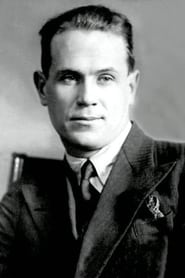
Boris Babochkin
Actor & Director
Born: January 18, 1904 in Saratov, Russian Empire (now Russia) Died: July 17, 1975 Active: 1927-1975 Birth Name: Boris Andreyevich Babochkin (Борис Андреевич Бабочкин)
Films
10 films

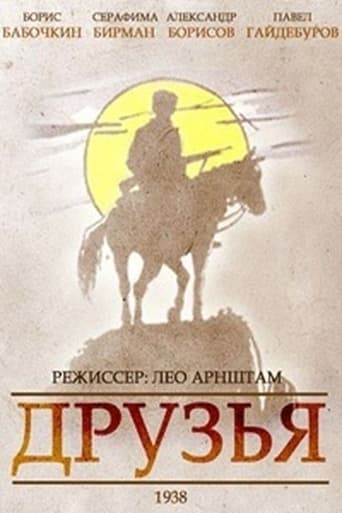
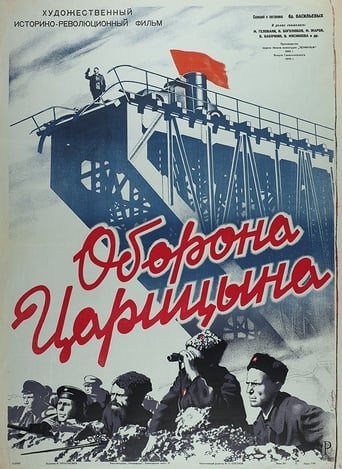
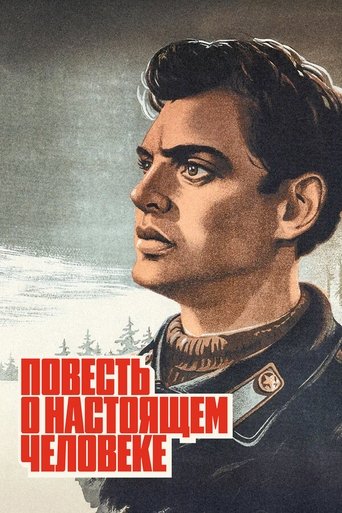

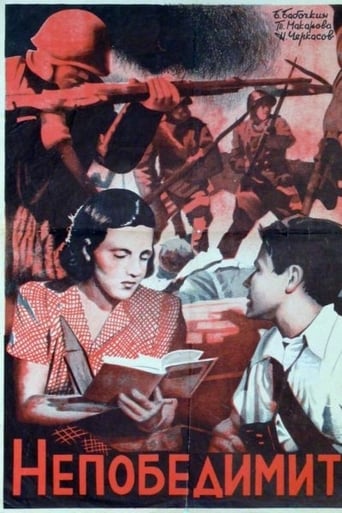
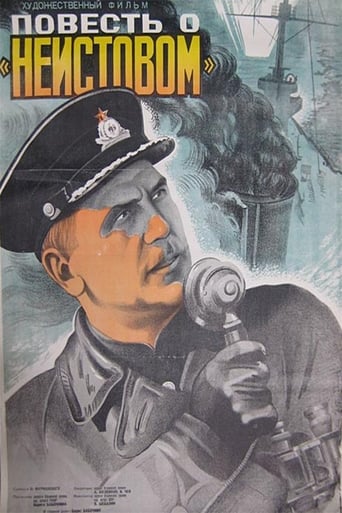
About Boris Babochkin
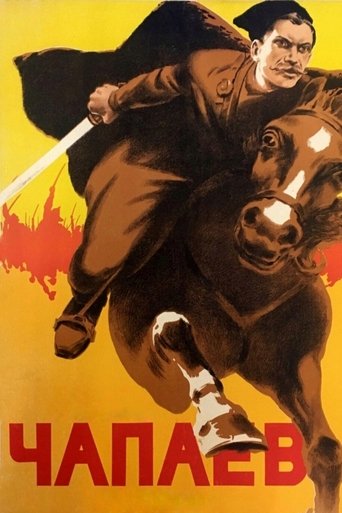
Boris Andreyevich Babochkin was actors of Soviet cinema, renowned for his powerful performances and dedication to realistic acting. He began his career in provincial theaters before moving to Moscow and joining the prestigious Moscow Art Theatre, where he honed his craft under the influence of Stanislavski's system. His breakthrough came in 1934 with his portrayal of Vasily Chapayev in the film 'Chapayev,' which became beloved and influential films in Soviet cinema history. Throughout his career, Babochkin balanced his work between film and theater, becoming a leading actor at the Moscow Art Theatre and later at the Mayakovsky Theatre. He continued acting through World War II and into the post-war period, taking on increasingly complex character roles. His later years saw him transitioning to teaching and mentoring younger actors while still maintaining an active performance schedule. Babochkin's contributions to Soviet performing arts were recognized with the highest honors, and he remained a respected figure until his death in 1975.
The Craft
On Screen
Babochkin was known for his intense, realistic acting style that emphasized psychological depth and authenticity. He was one of the early Soviet actors to fully embrace Stanislavski's method, bringing a naturalistic approach to his performances that was revolutionary for his time. His technique involved deep character study, physical transformation, and emotional truthfulness, making his portrayals both powerful and believable. He had a particular talent for playing strong, decisive characters while still revealing their human vulnerabilities and complexities.
Milestones
- Breakthrough role as Vasily Chapayev in 'Chapayev' (1934)
- Joined Moscow Art Theatre in 1936
- Awarded title of People's Artist of the USSR (1963)
- Stalin Prize winner for his acting achievements
- Leading actor at the Mayakovsky Theatre (1940-1975)
- Directed several theatrical productions
- Mentored generations of Soviet actors through teaching
Best Known For
Iconic Roles
Must-See Films
Accolades
Won
- Stalin Prize (1941, 1951)
- People's Artist of the USSR (1963)
- People's Artist of the RSFSR (1946)
- Order of Lenin (1964)
- Order of the Red Banner of Labour (1948)
- Order of the October Revolution (1974)
- Lenin Prize (1965)
Special Recognition
- Honored Artist of the RSFSR (1935)
- State Prize of the RSFSR (1971)
- Multiple medals for wartime contributions
- Theater awards for outstanding performances
Working Relationships
Worked Often With
Studios
Why They Matter
Impact on Culture
Babochkin's portrayal of Chapayev created. The image of Chapayev as portrayed by Babochkin appeared on posters, in literature, and became part of Soviet educational materials, influencing how generations understood the Russian Civil War. His acting style helped establish the standard for Soviet realistic performance, moving away from the theatricality of early cinema toward a more naturalistic approach. His work demonstrated how cinema could serve both artistic and ideological purposes without compromising artistic integrity.
Lasting Legacy
Boris Babochkin left an indelible mark on Soviet theater and cinema, particularly through his groundbreaking performance as Chapayev, which remains. His dedication to realistic acting influenced generations of Soviet performers and helped establish the reputation of Soviet cinema internationally. The theaters where he worked continue to honor his memory, and his acting methods are still studied in Russian performing arts schools. His films, especially 'Chapayev,' remain classics of world cinema and are regularly screened in retrospectives of Soviet film.
Who They Inspired
Babochkin's naturalistic acting style influenced the entire generation of Soviet actors who followed, helping to establish realism as the dominant approach in Soviet cinema. His work with Stanislavski's methods helped popularize these techniques throughout the Soviet Union and beyond. Many later Soviet actors, including Innokenty Smoktunovsky and Oleg Yankovsky, cited Babochkin as an influence on their approach to character development. His success in both theater and film created a template for Soviet artists seeking to work across multiple media while maintaining artistic credibility.
Off Screen
Babochkin was married twice and had a family that remained largely private from public view. His first marriage was to actress Yelizaveta Kuzmina, with whom he shared both personal and professional life during his early career. His second marriage was to actress Valentina Babochkina, who survived him. Despite his fame, he maintained a relatively modest lifestyle and was known for his dedication to his craft over celebrity status. He was deeply committed to the Soviet artistic community and participated in various cultural initiatives throughout his life.
Education
Graduated from the Saratov Theater School (1924), later studied at the Moscow Art Theatre School under the guidance of prominent theater masters including Konstantin Stanislavski and Vladimir Nemirovich-Danchenko.
Family
- Yelizaveta Kuzmina (1930s-1940s)
- Valentina Babochkina (1940s-1975)
Did You Know?
- The role of Chapayev was so iconic that Babochkin was typecast for years afterward and had to actively seek different types of roles
- He performed the role of Chapayev over 1,000 times in various stage adaptations
- During World War II, he performed for frontline troops and was wounded during a performance near the front lines
- His portrayal of Chapayev was so beloved that the character appeared in Soviet jokes and folklore for decades
- He was one of the few actors who successfully navigated the Stalinist era without falling victim to political purges
- Babochkin was known for his meticulous preparation, often spending months researching historical figures before portraying them
- He taught acting at the State Institute of Theatre Arts (GITIS) in his later years
- The film 'Chapayev' was one of the few Soviet films to achieve international recognition in the 1930s
- He turned down several offers to leave the Soviet Union, choosing to remain and work within the Soviet system
- His death was marked by national mourning and extensive coverage in Soviet media
In Their Own Words
An actor must live the role, not just play it - this is the only way to reach the audience's heart.
Chapayev taught me more about acting than any teacher could - he was a real man, not just a character.
Theater is my home, cinema is my window to the world - both need the same truth.
To be an actor in Soviet times meant being a servant of the people, not a star for oneself.
Every role is a new life, and I have been privileged to live many lives through my art.
Frequently Asked Questions
Who was Boris Babochkin?
Boris Babochkin was.' He excelled in both stage and screen, working with the Moscow Art Theatre and later the Mayakovsky Theatre while becoming a cultural icon through his film performances.
What films is Boris Babochkin best known for?
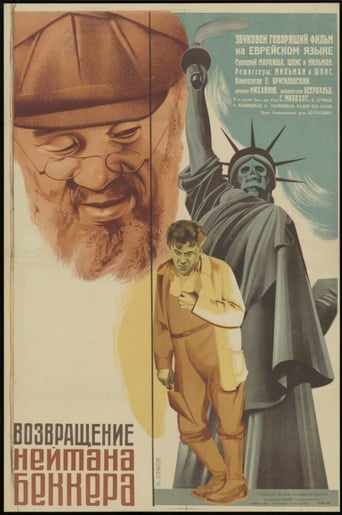
Titles linked here include Chapayev (1934), The Return of Nathan Becker (1932).
When was Boris Babochkin born and when did he die?
Born January 18, 1904; died July 17, 1975.
What awards did Boris Babochkin win?
Babochkin received numerous prestigious awards including the Stalin Prize (1941, 1951), the title of People's Artist of the USSR (1963), the Lenin Prize (1965), and multiple Orders including the Order of Lenin and Order of the Red Banner of Labour.
What was Boris Babochkin's acting style?
Babochkin was known for his realistic, psychologically deep acting style influenced by Stanislavski's system. He emphasized authenticity and emotional truth in his performances, bringing naturalism to Soviet cinema that was revolutionary for his time.
How did the role of Chapayev impact Babochkin's career?
The role of Chapayev made Babochkin a national icon but also led to typecasting for several years. The character became.
Did Boris Babochkin work in theater as well as film?
Yes, Babochkin had an extensive theater career, working with the Moscow Art Theatre from 1936 and later becoming a leading actor at the Mayakovsky Theatre from 1940 until his death. He considered theater his home and film his window to the world.