
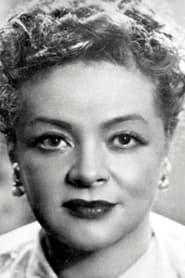
Zoya Fyodorova
Actor
Born: December 21, 1907 in Saint Petersburg, Russian Empire Died: December 11, 1981 Active: 1934-1981 (with interruption 1946-1955) Birth Name: Zoya Alekseyevna Fyodorova
Films
15 films
No Poster
Collection of Films for the Armed Forces #6
1941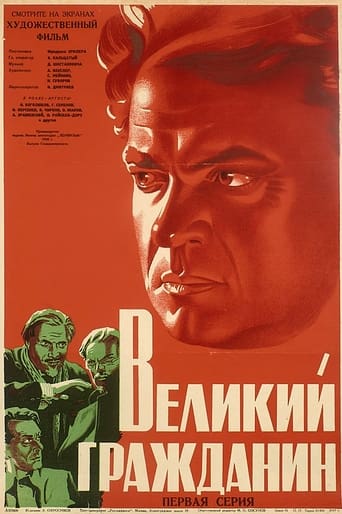
Great Citizen
1938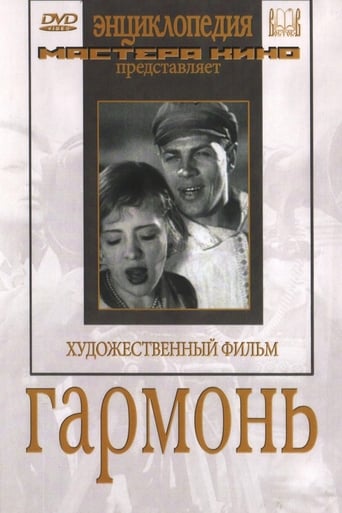
Accordion
1934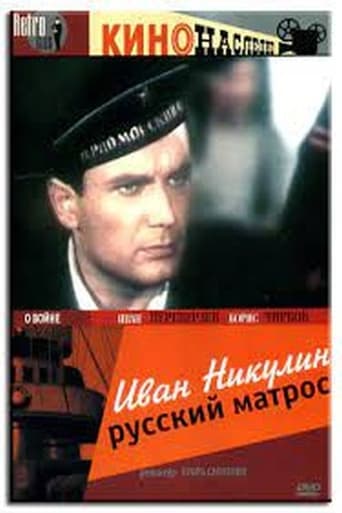
Ivan Nikulin: Russian Sailor
1944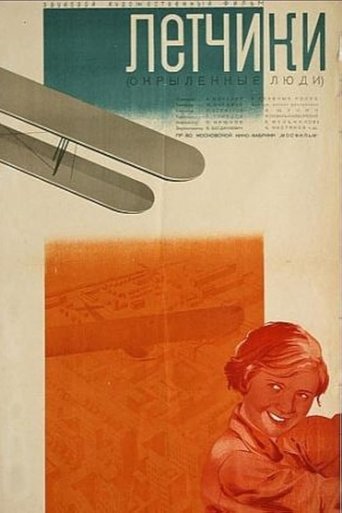
The Pilots
1935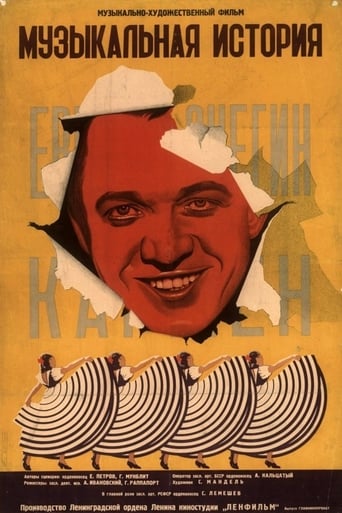
Musical Story
1940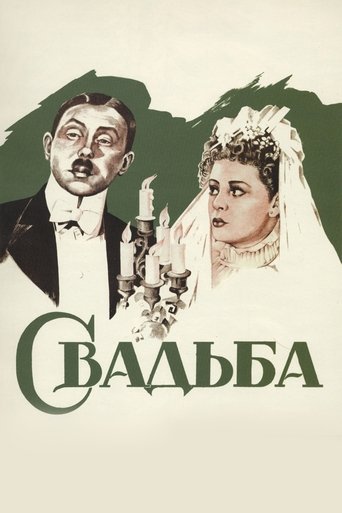
Wedding
1944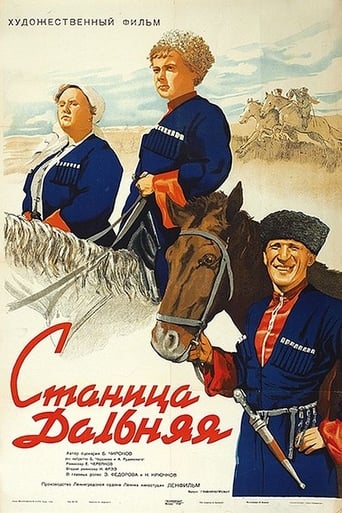
Станица Дальняя
1939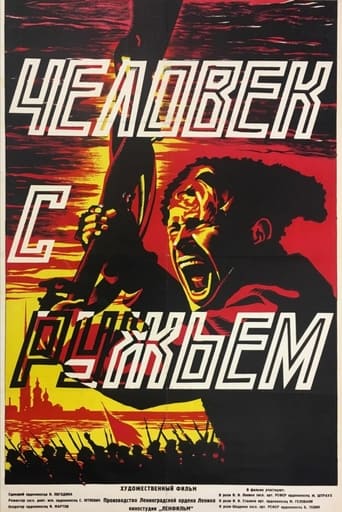
The Man with the Gun
1938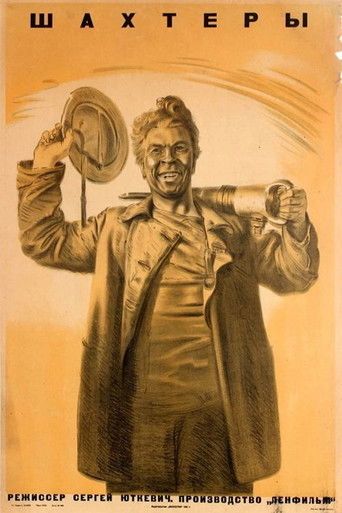
The Miners
1937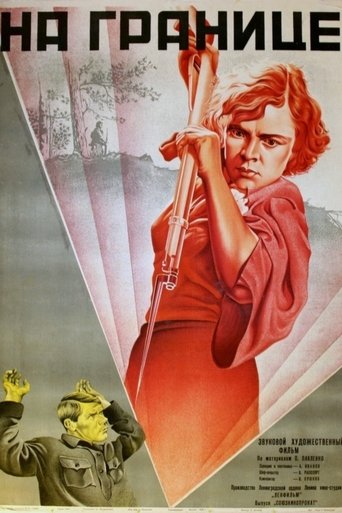
Soviet Border
1938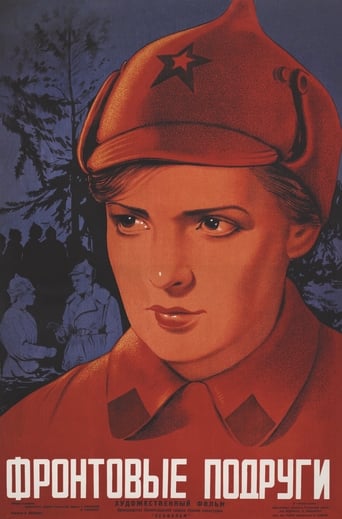
The Girl from Leningrad
1941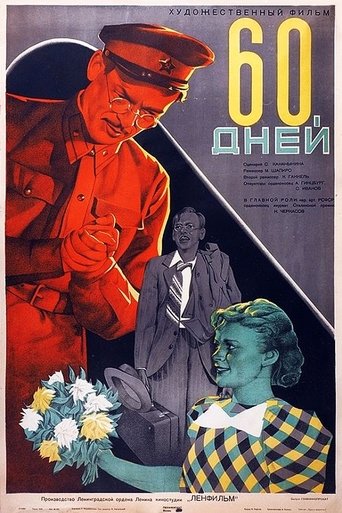
60 Days
1943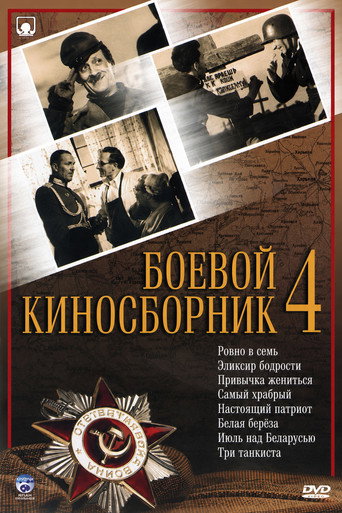
Collection of Films for the Armed Forces #4
1941About Zoya Fyodorova
Zoya Alekseyevna Fyodorova was one of Soviet cinema's most beloved actresses during the 1930s and early 1940s, known for her radiant screen presence and naturalistic acting style. Born into a working-class family in Saint Petersburg, she began her career as a factory worker before being discovered for her theatrical talent. Her breakthrough came with her role in 'The Girlfriends' (1936), which established her as a major star in Soviet cinema. Fyodorova became particularly known for her portrayals of strong, optimistic Soviet women who embodied the ideals of the socialist state. Her career was tragically interrupted in 1946 when she was arrested by Soviet authorities and sentenced to 10 years in labor camps, allegedly for having an affair with an American diplomat. After Stalin's death, she was rehabilitated in 1955 and attempted to revive her career, though she never regained her former prominence. Her life story became a symbol of the tragic fate of many artists during Stalin's purges, and she later published memoirs detailing her experiences.
The Craft
On Screen
Naturalistic and emotionally authentic, Fyodorova brought a refreshing spontaneity to Soviet cinema that contrasted with the more formal acting styles of the era. Her performances were characterized by genuine warmth, infectious optimism, and a remarkable ability to convey complex emotions with subtle gestures and expressions. She specialized in portraying ordinary Soviet women with extraordinary strength and resilience, making her characters relatable to mass audiences.
Milestones
- Breakthrough role in 'The Girlfriends' (1936)
- Starring role in 'Great Citizen' (1938)
- Awarded Stalin Prize for her acting achievements
- Arrest and imprisonment in 1946 during Stalin's purges
- Rehabilitation and return to cinema in 1955
- Publication of memoirs 'The Actress' in 1979
Best Known For
Iconic Roles
Must-See Films
Accolades
Won
- Stalin Prize (1941)
- Order of the Red Banner of Labour (1938)
- Honored Artist of the RSFSR (1935)
Special Recognition
- Rehabilitated by Soviet government (1955)
- Posthumous recognition as victim of political repression
Working Relationships
Worked Often With
Studios
Why They Matter
Impact on Culture
Zoya Fyodorova represented the ideal Soviet woman in cinema during the 1930s, embodying the strength, optimism, and dedication to socialist values promoted by the state. Her films helped shape the cultural narrative of Soviet womanhood and became touchstones for generations of Soviet viewers. Her tragic arrest and imprisonment made her a symbol of artistic persecution during Stalin's regime, and her later rehabilitation and memoirs contributed to the historical understanding of this dark period. Her story became part of the larger narrative of Soviet cultural history and the price paid by artists during political purges.
Lasting Legacy
Fyodorova's legacy is twofold: as a actress who brought naturalism to Soviet cinema, and as a victim of political repression whose story illuminates the relationship between art and politics in the Soviet Union. Her films from the 1930s remain classics of Soviet cinema, studied for their artistic merit and historical significance. Her memoirs provided valuable firsthand accounts of the Stalinist purges' impact on the artistic community. Her daughter's defection to the United States added another chapter to her family's complex relationship with Soviet and American cultures, making her story relevant to Cold War cultural history as well.
Who They Inspired
Fyodorova influenced Soviet cinema by demonstrating that naturalistic, emotionally authentic performances could resonate with audiences while still serving the state's ideological goals. Her acting style influenced subsequent generations of Soviet actors who sought to move away from theatrical artificiality. Her personal story of persecution and survival inspired other artists who faced political repression, and her memoirs became important historical documents. Her work helped establish the template for the 'Soviet everywoman' character type that would appear in films for decades.
Off Screen
Fyodorova's personal life was marked by both professional success and personal tragedy. She married actor Vladimir Taskin in 1936, though the marriage ended in divorce. Her most significant personal relationship was with American diplomat Jackson Tate, which led to her arrest and imprisonment. After her release from the Gulag in 1955, she struggled to rebuild both her career and personal life. Her daughter, Victoria Fyodorova, would later become an actress herself and defect to the United States in 1976, creating an international incident.
Education
Graduated from the Leningrad Institute of Performing Arts (1932)
Family
- Vladimir Taskin (1936-1940)
Did You Know?
- Was discovered while working in a factory after winning an amateur talent competition
- Her affair with American diplomat Jackson Tate was considered
- Spent 8 years in labor camps in the Gulag system
- Her daughter Victoria was born while she was in prison
- After her release, she was initially forbidden from living in major cities
- Her memoirs were published in the United States before being allowed in the Soviet Union
- Was friends with fellow actress Marina Ladynina, another major star of the era
- Her arrest was personally approved by Lavrentiy Beria, head of the Soviet secret police
- Returned to acting in minor roles after her rehabilitation
- Her apartment in Moscow became a gathering place for dissident artists in the 1970s
In Their Own Words
Cinema is not just entertainment, it's the mirror of our socialist reality
Even in the darkest times, art gives us hope and reminds us of our humanity
I learned that the camera doesn't lie, but it also doesn't forgive
Playing ordinary women taught me that there are no ordinary people
My greatest role was not on screen, but surviving to tell the truth about our times
Frequently Asked Questions
Who was Zoya Fyodorova?
Prominent Soviet actress of the 1930s and early 1940s, known for her naturalistic acting style and roles as strong Soviet women. She became.
What films is Zoya Fyodorova best known for?
Titles linked here include The Girlfriends (1936), Great Citizen (1938).
When was Zoya Fyodorova born and when did she die?
Born December 21, 1907; died December 11, 1981.
What awards did Zoya Fyodorova win?
Fyodorova received the Stalin Prize in 1941, was awarded the Order of the Red Banner of Labour in 1938, and was named an Honored Artist of the RSFSR in 1935. These were among the highest honors available to Soviet artists of her time.
What was Zoya Fyodorova's acting style?
Fyodorova was known for her naturalistic and emotionally authentic acting style, which brought spontaneity and warmth to Soviet cinema. She specialized in portraying ordinary Soviet women with strength and optimism, making her characters relatable to mass audiences while embodying socialist ideals.
Why was Zoya Fyodorova arrested?
Fyodorova was arrested in 1946 for having an affair with American diplomat Jackson Tate, which was considered a security risk and moral violation by Soviet authorities. She was sentenced to 10 years in labor camps without trial as part of Stalin's purges against the artistic community.
Did Zoya Fyodorova have children?
Yes, Fyodorova had one daughter, Victoria Fyodorova (1946-2012), who was also born while Zoya was imprisoned. Victoria later became an actress and famously defected to the United States in 1976, creating an international incident.