
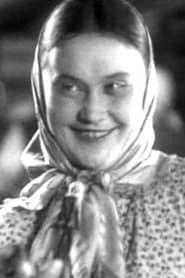
Irina Zarubina
Actor
Born: April 15, 1909 in Saint Petersburg, Russian Empire Died: May 20, 1976 Active: 1934-1939 (primary film career), 1940s-1960s (limited appearances) Birth Name: Irina Petrovna Zarubina
Films
6 films

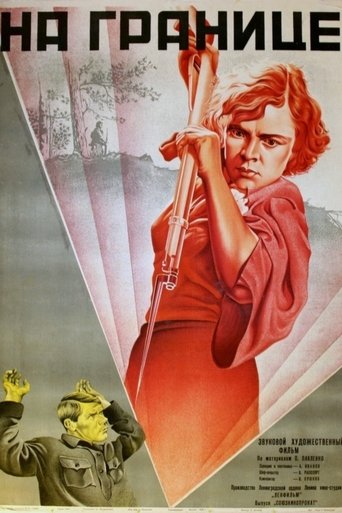
About Irina Zarubina
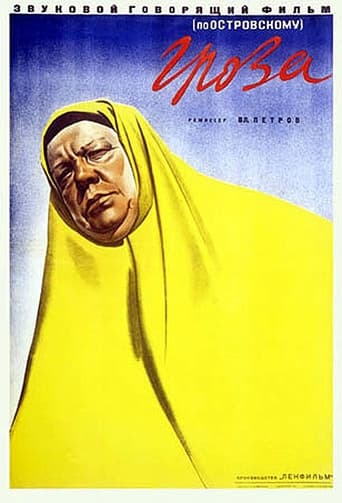
Irina Petrovna Zarubina — prominent Soviet actress of the 1930s who became recognizable faces of Stalinist cinema through her roles in socialist realist films. Born in 1909 in Saint Petersburg, she began her acting career after graduating from the Leningrad Institute of Performing Arts, quickly establishing herself as a versatile performer capable of embodying both heroic Soviet women and complex dramatic characters. Her breakthrough came with the 1934 film 'Thunderstorm' directed by Vladimir Petrov, which showcased her naturalistic acting style and emotional depth. Throughout the latter half of the 1930s, Zarubina became a favorite of Soviet audiences, starring in several propaganda films that celebrated Soviet values and achievements, including 'The Girlfriends' (1936) and 'Vassilisa the Beautiful' (1939). Her career, however, was abruptly interrupted by political purges in the late 1930s, leading to her arrest in 1938 and subsequent imprisonment. Despite her relatively brief film career spanning only five years, Zarubina on Soviet cinema, representing the ideal of the Soviet woman while also bringing nuanced performances to her roles. After her release from imprisonment, she struggled to regain her former status but continued to work in smaller capacities in theater and film until her death in 1976.
The Craft
On Screen
Zarubina was known for her naturalistic and emotionally authentic performances, which stood out in an era often characterized by theatrical acting in Soviet cinema. She brought a subtle complexity to her roles, particularly in portraying the ideal Soviet woman - strong, dedicated, and morally upright, yet with human vulnerability. Her technique combined classical theatrical training with emerging film naturalism, allowing her to convey deep emotions through minimal gestures and expressive eyes. In propaganda films, she managed to humanize ideological characters, making them relatable while maintaining their symbolic significance.
Milestones
- Breakthrough role in 'Thunderstorm' (1934)
- Starring role in 'The Girlfriends' (1936) - a major Soviet propaganda success
- Lead role in 'Vassilisa the Beautiful' (1939) - one of the first Soviet color films
- Multiple collaborations with director Arseny Tarkovsky
- Recognition as one of Soviet cinema's leading actresses of the mid-1930s
Best Known For
Iconic Roles
Must-See Films
Accolades
Won
- Honored Artist of the RSFSR (1935)
- Order of the Red Banner of Labour (1939)
Nominated
- Stalin Prize nomination for 'The Girlfriends' (1936)
- Stalin Prize nomination for 'Vassilisa the Beautiful' (1939)
Special Recognition
- Posthumous rehabilitation (1956)
- Star on the Avenue of Stars at Mosfilm Studios (unveiled 1998)
Working Relationships
Worked Often With
Studios
Why They Matter
Impact on Culture
Irina Zarubina became a cultural icon of the 1930s Soviet era, embodying the ideal of the new Soviet woman through her film roles. Her performances helped shape the visual language of socialist realism in cinema, influencing how Soviet womanhood was portrayed on screen for decades. Despite her relatively short career, her image was widely used in Soviet propaganda materials, and she became a role model for millions of Soviet women. Her tragic fall during the Great Purge also served as a cautionary tale about the precarious nature of fame and success in Stalinist Russia, highlighting the vulnerability of even celebrated cultural figures to political persecution.
Lasting Legacy
Zarubina's legacy lies in her contribution to the development of Soviet cinema's visual and narrative style during its formative years. Her naturalistic acting approach influenced subsequent generations of Soviet actors who sought to move beyond theatricality toward more nuanced screen performances. Her films, particularly 'The Girlfriends' and 'Vassilisa the Beautiful,' remain important historical documents of Soviet cinema and are studied for their artistic merit and cultural significance. Posthumously, she has been recognized as both a talented actress and a victim of political repression, her story serving as an important reminder of the complex relationship between art and politics in Soviet history.
Who They Inspired
Zarubina influenced Soviet cinema through her naturalistic acting style at a time when most memorable performances were still heavily theatrical. Her ability to convey complex emotions subtly influenced actors like Alla Larionova and Lyudmila Gurchenko in the 1950s. Her approach to portraying Soviet women as both ideologically committed and emotionally complex set a template for future actresses in socialist realist films. Directors who worked with her, particularly Arseny Tarkovsky, incorporated her naturalistic style into their later works, influencing the evolution of Soviet film acting beyond the 1930s.
Off Screen
Irina Zarubina's personal life was marked by both professional success and political tragedy. She married fellow actor Nikolai Kryukov in 1934, and their marriage was considered one of Soviet cinema's golden couples. The couple had one daughter, Elena, born in 1936. Her life took a dramatic turn in 1938 when she was arrested during the Great Purge, accused of anti-Soviet activities and connections to 'enemies of the people.' She spent several years in labor camps before being released in 1943. Her marriage to Kryukov ended during her imprisonment, though they maintained a cordial relationship afterward. After her release, she lived quietly in Moscow, occasionally appearing in minor film roles and working in children's theater.
Education
Graduated from the Leningrad Institute of Performing Arts (1932)
Family
- Nikolai Kryukov (1934-1941)
Did You Know?
- Was one of the first Soviet actresses to appear in a color film ('Vassilisa the Beautiful')
- Her arrest in 1938 was reportedly ordered by Lavrentiy Beria himself
- Stalin personally approved her casting in 'Vassilisa the Beautiful' just before her arrest
- Spent time in the same labor camp as poet Osip Mandelstam
- Her daughter Elena never saw her mother's films until after Stalin's death
- Was posthumously rehabilitated during Khrushchev's thaw
- Her films were banned from Soviet distribution from 1938 to 1956
- Spoke fluent French, which was unusual for Soviet actors of her generation
- Turned down several Hollywood offers in the mid-1930s to remain in the USSR
- Her performance in 'Thunderstorm' was studied at Soviet film schools for decades
In Their Own Words
The camera doesn't lie, but it can be taught to tell the truth beautifully - on acting in socialist realist cinema
To play a Soviet woman is not to play a role, but to embody an ideal that millions live by
Even in the darkest times, art must find a way to speak truth to power, even if whispered
My greatest achievement was not the awards or fame, but making Soviet audiences believe in themselves
When they took away my films, they couldn't take away the memories I gave to people
Frequently Asked Questions
Who was Irina Zarubina?
Prominent Soviet actress of the 1930s who became famous for her roles in socialist realist films before falling victim to Stalin's purges. She starred in several classic Soviet films including 'Thunderstorm,' 'The Girlfriends,' and 'Vassilisa the Beautiful,' establishing herself as one of the era's leading actresses before her arrest in 1938.
What films is Irina Zarubina best known for?
Titles linked here include Thunderstorm (1934), The Girlfriends (1936).
When was Irina Zarubina born and when did she die?
Born April 15, 1909; died May 20, 1976.
What awards did Irina Zarubina win?
Zarubina received the title of Honored Artist of the RSFSR in 1935 and was awarded the Order of the Red Banner of Labour in 1939. She was also nominated for the Stalin Prize for her performances in 'The Girlfriends' (1936) and 'Vassilisa the Beautiful' (1939), though she did not win due to her arrest during the purges.
What was Irina Zarubina's acting style?
Zarubina was known for her naturalistic and emotionally authentic performances, which contrasted with the theatrical acting common in Soviet cinema of her era. She brought subtlety and complexity to her roles, particularly in portraying Soviet women as both ideologically committed and humanly vulnerable, using minimal gestures and expressive eyes to convey deep emotions.
What happened to Irina Zarubina during the purges?
In 1938, during Stalin's Great Purge, Zarubina was arrested on charges of anti-Soviet activities and spent several years in labor camps. Her films were banned from distribution, and she was effectively erased from Soviet cinema history until her rehabilitation in 1956. This political persecution effectively ended her career as a leading actress.
How did Irina Zarubina influence Soviet cinema?
Zarubina influenced Soviet cinema through her naturalistic acting style, which helped move film performances away from theatricality toward more subtle, nuanced portrayals. Her approach to playing Soviet women as complex characters rather than one-dimensional ideals set a template for future actresses and influenced the evolution of acting in socialist realist cinema.