
Films
2 films
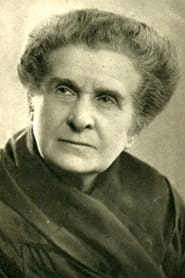
About Mariya Blyumental-Tamarina
Soviet actress who worked during the Stalinist era of Soviet cinema, appearing in notable films of the late 1930s. Her career, though brief, coincided with a significant period in Soviet filmmaking when socialist realism was becoming the dominant artistic style. Mariya appears in 'The Girlfriends' (1936), a drama directed by Lev Arnshtam that explored the lives of young women in Soviet society, and 'The New Moscow' (1938), a film that celebrated Soviet urban development and progress. Her performances reflected the acting conventions of the time, which emphasized clear ideological messaging and the portrayal of ideal Soviet citizens. While her filmography was limited, she contributed to the cinematic landscape of a period when Soviet cinema was heavily state-controlled and served propagandistic purposes. The brevity of her documented career suggests she may have been a character actress or someone whose primary career was in theater rather than film.
The Craft
On Screen
Representative of Soviet socialist realist acting style of the 1930s, emphasizing clear character types and ideological messaging
Milestones
- Appeared in 'The Girlfriends' (1936)
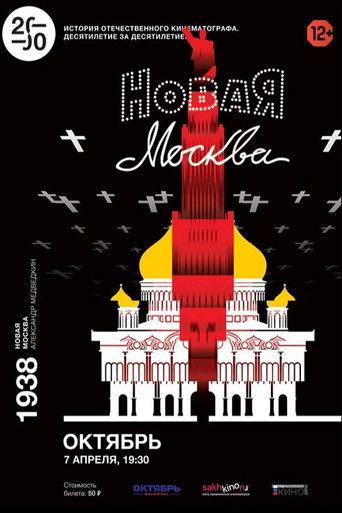
- Appeared in 'The New Moscow' (1938)
Best Known For
Iconic Roles
Must-See Films
Working Relationships
Worked Often With
Studios
Why They Matter
Impact on Culture
Mariya Blyumental-Tamarina contributed to Soviet cinema during a crucial period when the film industry was being shaped by socialist realist ideology. Her appearances in 'The Girlfriends' and 'The New Moscow' placed her within the cultural project of creating idealized Soviet citizens on screen, films that were designed to promote the values and achievements of the Soviet state. While not a major star, her participation in these productions reflects the collective nature of Soviet filmmaking, where numerous actors contributed to the creation of state-sanctioned cultural narratives. The films she appeared in are now considered important historical documents of their time, offering insights into Soviet society, gender roles, and urban development during the Stalin era.
Lasting Legacy
Mariya Blyumental-Tamarina's legacy is preserved through her contributions to Soviet cinema of the 1930s, a period that significantly influenced the development of film as both art and propaganda. While she may not be widely remembered today, her work in 'The Girlfriends' and 'The New Moscow' forms part of the historical record of Soviet filmmaking during the height of Stalinist cultural policy. These films continue to be studied by film historians and scholars of Soviet culture as examples of how cinema was used to shape public opinion and promote socialist ideals. Her performances, like those of many character actors of her era, represent the ensemble approach to Soviet film production, where individual recognition was secondary to the collective ideological message.
Who They Inspired
As a character actress working within the Soviet film system, Mariya Blyumental-Tamarina's influence would have been primarily through her contribution to the films that shaped Soviet cultural consciousness during the 1930s. The films she appeared in participated in establishing visual and narrative conventions that would influence Soviet cinema for decades. While she may not have directly mentored other actors or developed a distinctive personal style that others emulated, her work contributed to the broader cultural project of defining what Soviet cinema should look like and what messages it should convey to audiences.
Off Screen
Limited information is available about Mariya Blyumental-Tamarina's personal life, which was common for many Soviet character actors of her era whose biographies were not extensively documented in Western sources.
Did You Know?
- Appeared in films during the height of Stalin's purges, a dangerous time for Soviet artists
- Her film 'The Girlfriends' (1936) was directed by Lev Arnshtam, who also worked with Dmitri Shostakovich
- 'The New Moscow' (1938) celebrated Soviet urban planning and modernization efforts
- Her brief documented film career (1936-1938) was typical for many Soviet character actresses of the period
- Both films she appeared in were produced during the period when socialist realism became the official artistic style
Frequently Asked Questions
Who was Mariya Blyumental-Tamarina?
Screen credits include notable Soviet films including 'The Girlfriends' (1936) and 'The New Moscow' (1938). She worked during the Stalinist era when Soviet cinema was heavily influenced by socialist realist ideology.
What films is Mariya Blyumental-Tamarina best known for?
Titles linked here include The Girlfriends (1936), The New Moscow (1938).
When was Mariya Blyumental-Tamarina active in film?
Based on her documented filmography, Mariya Blyumental-Tamarina was active as an actress from 1936 to 1938, appearing in at least two Soviet films during this period.
What was the style of acting in the films Mariya Blyumental-Tamarina appeared in?
The acting style in her films reflected the socialist realist approach dominant in Soviet cinema of the 1930s, emphasizing clear character types, ideological messaging, and the portrayal of ideal Soviet citizens rather than psychological complexity.
Why is information about Mariya Blyumental-Tamarina limited?
Limited biographical information is common for many Soviet character actors of her era, particularly those who were not major stars. Soviet film documentation often prioritized collective achievements over individual recognition, and many records were not preserved or translated for Western audiences.