
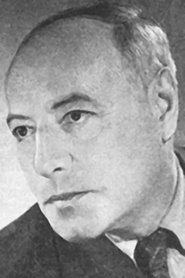
Lev Arnshtam
Director
Born: January 15, 1905 in Dnipro, Ukrainian SSR, Russian Empire Died: December 26, 1979 Active: 1932-1965 Birth Name: Lev Oskarovich Arnshtam
Films
4 films
About Lev Arnshtam
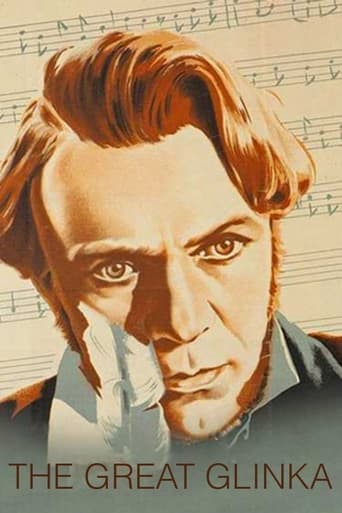
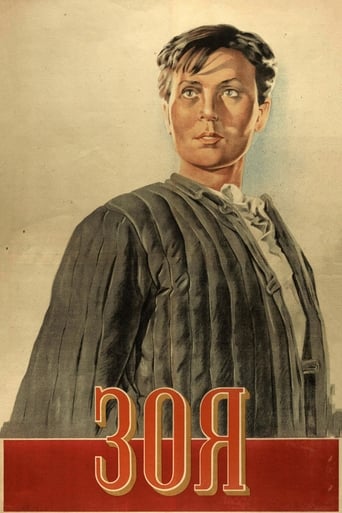
Lev Oskarovich Arnshtam — prominent Soviet film director and screenwriter who in Soviet cinema during the Stalin era. Born in 1905 in Dnipro, Ukraine, he began his career in theater during the 1920s before transitioning to film in the 1930s. Arnshtam became known for his ability to create compelling biographical films and war dramas that aligned with Soviet ideological requirements while maintaining artistic merit. His most celebrated works include 'The Girlfriends' (1936), which explored women's roles in Soviet society, and 'Zoya' (1944), a powerful wartime propaganda piece about a young Soviet partisan heroine. Throughout his career, Arnshtam navigated the complex demands of Soviet cultural policy, creating films that both entertained and educated Soviet audiences about socialist values. His later work 'The Great Glinka' (1946) demonstrated his skill in bringing historical cultural figures to life on screen. Arnshtam continued directing through the 1950s and 1960s, though his earlier works remain his most influential contributions to Soviet cinema.
The Craft
Behind the Camera
Arnshtam's directing style was characterized by a blend of socialist realism with subtle artistic expression, focusing on strong character development and emotional narratives that served Soviet ideological goals. He had a particular talent for biographical films, bringing historical figures to life with psychological depth while maintaining the required political messaging. His visual approach often emphasized dramatic lighting and composition to enhance the emotional impact of his stories, particularly in his war films and biopics.
Milestones
- Directed 'The Girlfriends' (1936), his breakthrough film
- Created 'Zoya' (1944),
- Directed 'The Great Glinka' (1946), acclaimed biographical film
- Worked primarily at Lenfilm studio in Leningrad
- Received Stalin Prize for his contributions to Soviet cinema
Best Known For
Must-See Films
Accolades
Won
- Stalin Prize (1946) for 'Zoya'
- Order of the Red Banner of Labour
- People's Artist of the RSFSR (1969)
- State Prize of the RSFSR (1971)
Nominated
- Cannes Film Festival Palme d'Or nomination (1946) for 'Zoya'
- Venice Film Festival Golden Lion nomination (1955) for 'Romeo and Juliet'
Special Recognition
- Honored Artist of the RSFSR (1950)
- People's Artist of the RSFSR (1969)
- Multiple state decorations for contributions to Soviet cinema
Working Relationships
Worked Often With
Studios
Why They Matter
Impact on Culture
Lev Arnshtam significantly influenced Soviet cinema's approach to biographical films and war narratives, helping establish conventions that would dominate Soviet filmmaking for decades. His film 'Zoya' became a cultural touchstone for Soviet patriotism during and after World War II, shaping how Soviet audiences understood the war and heroism. Arnshtam's ability to balance artistic expression with ideological requirements made him a model for Soviet directors working within the constraints of socialist realism. His films contributed to the creation of Soviet cultural myths and heroes, particularly through his biographical works celebrating figures like Mikhail Glinka and Zoya Kosmodemyanskaya.
Lasting Legacy
Arnshtam's legacy lies in his mastery of the Soviet biographical film genre and his ability to create emotionally compelling narratives within ideological constraints. His films, particularly 'Zoya' and 'The Great Glinka', remain important examples of Soviet cinema's golden age and continue to be studied for their historical and artistic value. Arnshtam demonstrated how filmmakers could work creatively within restrictive political systems, leaving behind a body of work that both reflected and shaped Soviet cultural values. His techniques for creating heroic narratives influenced generations of Soviet and post-Soviet filmmakers.
Who They Inspired
Arnshtam influenced Soviet cinema's approach to historical and biographical storytelling, setting standards for how to present Soviet heroes on screen. His work in combining emotional storytelling with political messaging provided a template for subsequent Soviet directors working in the socialist realist tradition. His films' visual style and narrative techniques were studied in Soviet film schools, and his approach to character development in biographical films influenced directors like Grigory Alexandrov and Mikhail Romm. Even in post-Soviet cinema, his techniques for creating compelling historical narratives continue to be referenced and analyzed.
Off Screen
Lev Arnshtam was married to actress Zoya Fyodorova, one of Soviet cinema's most popular stars, though their marriage ended in divorce. He later married again and had children. His personal life was marked by the challenges of working in the Soviet film industry during Stalin's regime, where political pressures often affected both professional and private spheres. Despite these challenges, Arnshtam maintained a relatively stable personal life compared to many of his contemporaries in the arts.
Education
Studied at Leningrad Institute of Performing Arts, graduated in late 1920s; also received training in theater direction before transitioning to film
Family
- Zoya Fyodorova (1930s-1940s)
- Second wife (1940s-1979)
Did You Know?
- His film 'Zoya' was based on the real story of Zoya Kosmodemyanskaya, the first woman awarded Hero of the Soviet Union posthumously
- Worked as assistant to Vsevolod Pudovkin early in his career
- His first wife Zoya Fyodorova was one of Stalin's favorite actresses
- During World War II, he made several newsreels and propaganda films for the war effort
- His film 'The Great Glinka' was one of the first major Soviet biopics about a composer
- Arnshtam was known for his meticulous attention to historical accuracy in his biographical films
- He survived the Stalin purges that claimed many of his contemporaries in the film industry
- His version of 'Romeo and Juliet' (1955) was one of the first Soviet adaptations of Shakespeare for the screen
- Arnshtam often worked with the same cinematographers throughout his career
- His films were frequently shown in Soviet schools as educational tools
In Their Own Words
Cinema must serve the people and the party, but it must first be art
A film about a historical figure must capture not just the facts, but the spirit of the age
In war, truth becomes the most powerful weapon of cinema
The hero on screen must inspire the hero in every viewer
Artistic freedom exists within the boundaries of social responsibility
Frequently Asked Questions
Who was Lev Arnshtam?
Prominent Soviet on YTB.my.
What films is Lev Arnshtam best known for?
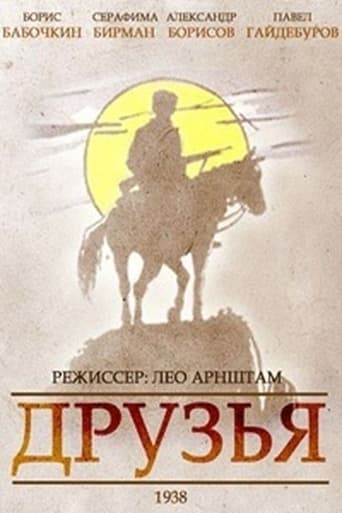
Titles linked here include The Girlfriends (1936), Friends (1938).
When was Lev Arnshtam born and when did he die?
Born January 15, 1905; died December 26, 1979.
What awards did Lev Arnshtam win?
Arnshtam received the Stalin Prize in 1946 for 'Zoya,' was named People's Artist of the RSFSR in 1969, and received the State Prize of the RSFSR in 1971, among other honors for his contributions to Soviet cinema.
What was Lev Arnshtam's directing style?
Arnshtam's directing style blended socialist realism with artistic expression, focusing on strong character development and emotional narratives that served Soviet ideological goals, with particular skill in creating compelling biographical films.
Did Lev Arnshtam work with any famous actors?
Yes, Arnshtam frequently collaborated with prominent Soviet actors including Zoya Fyodorova (who was also his first wife), Boris Chirkov, Mikhail Zharov, and Nikolai Cherkasov.
Where did Lev Arnshtam work as a director?
Arnshtam worked primarily at Lenfilm (Leningrad Film Studio) and also at Mosfilm (Moscow Film Studio), the two major Soviet film production centers of his era.