
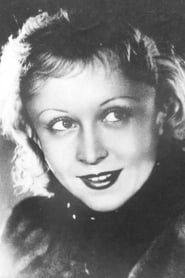
Yanina Zheymo
Actor
Born: May 29, 1908 in Warsaw, Russian Empire (now Poland) Died: December 29, 1987 Active: 1925-1954 Birth Name: Yanina Boleslavovna Zheymo
Films
11 films

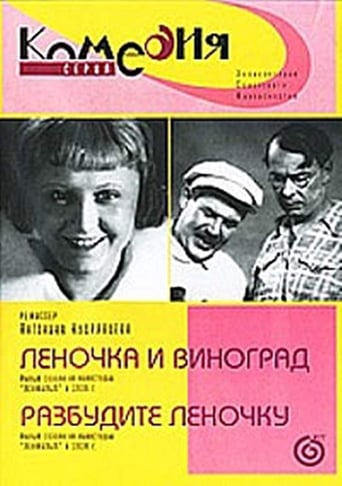
About Yanina Zheymo
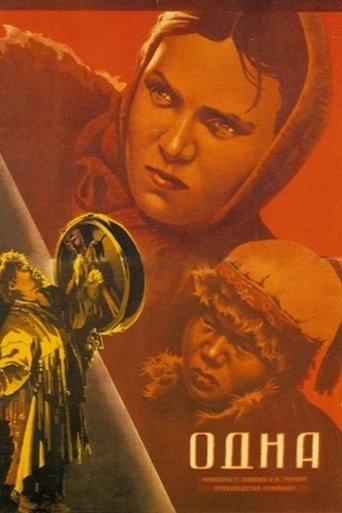
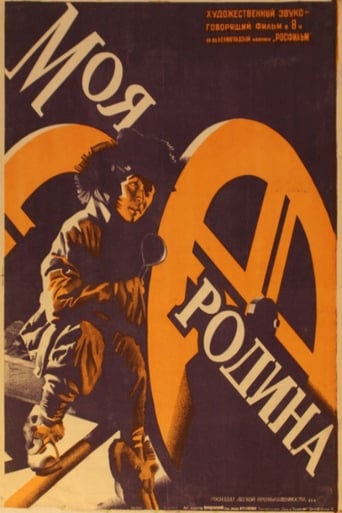
Celebrated Soviet actress: the silent era through the post-war period, becoming beloved performers in Soviet cinema. Born in Warsaw in 1908, she began her acting career at the young age of 16, joining the Vsevolod Meyerhold Theatre before transitioning to film. Her breakthrough came in the late 1920s with roles in silent films like 'The Club of the Big Deed' (1927), where she demonstrated remarkable versatility and emotional depth. Zheymo successfully navigated the transition to sound cinema, delivering memorable performances in films such as 'Alone' (1931) and 'My Motherland' (1933). Her most role came in 1947 when she portrayed Cinderella in the beloved Soviet adaptation 'Zolushka,' which became a cultural phenomenon and established her as a national treasure. Throughout her career, she worked with prominent Soviet directors and became known for her ability to portray both comedic and dramatic roles with equal skill. Her final film appearances were in the early 1950s, after which she retired from acting but remained an influential figure in Soviet cultural circles until her death in 1987.
The Craft
On Screen
Zheymo was known for her naturalistic acting style that combined emotional authenticity with remarkable versatility. Her performances were characterized by a delicate balance between innocence and strength, allowing her to excel in both comedic and dramatic roles. In her silent film work, she utilized expressive facial features and physical comedy to convey complex emotions, while in sound films, her voice became another instrument in her artistic arsenal. She had a particular talent for portraying characters with inner resilience and optimism, even in the face of adversity, which made her especially beloved by Soviet audiences.
Milestones
- Breakthrough role in 'The Club of the Big Deed' (1927)
- Starring role in 'Alone' (1931), one of the earliest Soviet sound films
- Performance in 'My Motherland' (1933) establishing her as a serious dramatic actress
- Iconic portrayal of Cinderella in 'Zolushka' (1947), becoming a cultural phenomenon
- Awarded the title of People's Artist of the RSFSR in 1957
- Work with legendary Soviet director Fridrikh Ermler
Best Known For
Iconic Roles
Must-See Films
Accolades
Won
- People's Artist of the RSFSR (1957)
- Stalin Prize, second degree (1947) for 'Zolushka'
- Order of the Red Banner of Labour (1978)
- Medal 'For Valiant Labour in the Great Patriotic War 1941-1945'
Special Recognition
- Honored Artist of the RSFSR (1946)
- People's Artist of the RSFSR (1957)
- Cultural icon in Soviet cinema history
- Star on the Walk of Stars at Mosfilm Studios
Working Relationships
Worked Often With
Studios
Why They Matter
Impact on Culture
Yanina Zheymo's impact on Soviet cinema and popular culture cannot be overstated, particularly through her iconic portrayal of Cinderella, which became a cultural touchstone for generations of Soviet citizens. Her performance in 'Zolushka' transcended mere entertainment, embodying the socialist ideals of hope, resilience, and the triumph of the common person over adversity. The film became a New Year's Eve tradition in the Soviet Union, with Zheymo's Cinderella serving as a role model for millions of young girls. Her ability to convey both vulnerability and strength in her characters helped shape the archetype of the Soviet heroine during the Stalin era and beyond. Zheymo's work contributed significantly to the development of Soviet cinematic language, particularly in the transition from silent to sound film, where she demonstrated how physical expression and vocal performance could be seamlessly integrated.
Lasting Legacy
Yanina Zheymo's legacy endures as. Her films continue to be celebrated and studied for their artistic merit and historical significance, particularly in understanding the evolution of Soviet cinema from the silent era through the post-war period. Zheymo is remembered not only for her talent but also for her ability to embody the hopes and aspirations of Soviet audiences during challenging historical periods. Her work has been the subject of numerous film retrospectives and academic studies, cementing her place in the canon of classic cinema. The enduring popularity of 'Zolushka' ensures that new generations continue to discover and appreciate her contribution to world cinema.
Who They Inspired
Zheymo influenced generations of Soviet and Russian actresses through her naturalistic acting style and ability to convey deep emotion with subtlety and grace. Her technique of combining physical comedy with genuine emotional depth became a model for comedic actresses in Soviet cinema. The success of 'Zolushka' established a template for family-friendly entertainment in Soviet cinema that influenced subsequent productions. Younger actresses often cited her ability to maintain dignity and warmth in her characters as an inspiration. Her work demonstrated how actresses could maintain artistic integrity while working within the constraints of the Soviet film system, providing a model for others to follow.
Off Screen
Yanina Zheymo experienced a complex personal life marked by both professional success and personal challenges. She married director Iosif Kheifits in 1931, with whom she had a son, but the marriage ended in divorce. Her second marriage was to actor Yuri Lyubimov, which also ended in divorce. Despite her professional triumphs, Zheymo faced personal difficulties during the Stalin era, including periods of professional uncertainty. She was known for her dedication to her craft and maintained close friendships with many of her colleagues in the Soviet film industry. In her later years, she lived a relatively private life in Moscow, occasionally appearing at film retrospectives and cultural events until her death in 1987.
Education
Graduated from the Leningrad Institute of Performing Arts (now the Saint Petersburg State Academy of Dramatic Art), studied under Vsevolod Meyerhold at his theatre workshop
Family
- Iosif Kheifits (1931-1937)
- Yuri Lyubimov (1940s-1950s)
Did You Know?
- At age 16, she was the youngest actress accepted into Meyerhold's theatre workshop
- Her role as Cinderella was so beloved that the Soviet government released special commemorative stamps featuring her as the character
- She was of Polish descent, born in Warsaw when it was part of the Russian Empire
- During World War II, she performed for Soviet troops at the front lines as part of entertainment brigades
- Her performance in 'Zolushka' was so popular that the film was shown continuously in Soviet theaters for over a decade
- She was initially considered too old to play Cinderella at age 39, but her screen test convinced the directors
- The glass slipper from 'Zolushka' became
- She spoke fluent Polish, Russian, and French, which helped her work with various international film crews
- Her son Yevgeny Kheifits became a respected film director in his own right
- She was one of the few Soviet actresses to successfully transition from silent films to sound films without losing her popularity
In Their Own Words
Acting is not about pretending to be someone else, but about finding the truth within yourself that connects to the character's soul.
Cinderella taught me that true magic lies not in fairy godmothers, but in the courage to be yourself when no one believes in you.
In every role, I searched for the light - even in the darkest characters, there must be a spark of humanity.
The camera doesn't lie, but it also doesn't tell the whole story. The actor's job is to fill in the spaces between frames.
Success in cinema is temporary, but the joy of creating something that touches people's hearts is eternal.
Frequently Asked Questions
Who was Yanina Zheymo?
Celebrated Soviet actress who became. Her active years covered from the silent era through the post-war period, during which she appeared in numerous classic Soviet films and became a cultural icon.
What films is Yanina Zheymo best known for?
Titles linked here include Zolushka (Cinderella) (1947), Alone (1931).
When was Yanina Zheymo born and when did she die?
Born May 29, 1908; died December 29, 1987.
What awards did Yanina Zheymo win?
Zheymo received numerous honors including the People's Artist of the RSFSR (1957), the Stalin Prize second degree (1947) for 'Zolushka', the Order of the Red Banner of Labour (1978), and was earlier named an Honored Artist of the RSFSR (1946). She also received the Medal 'For Valiant Labour in the Great Patriotic War 1941-1945'.
What was Yanina Zheymo's acting style?
Zheymo was known for her naturalistic acting style that combined emotional authenticity with remarkable versatility. Her performances were characterized by a delicate balance between innocence and strength, allowing her to excel in both comedic and dramatic roles. She had particular talent for portraying characters with inner resilience and optimism, making her especially beloved by Soviet audiences.
How did Yanina Zheymo influence Soviet cinema?
Zheymo significantly influenced Soviet cinema by helping establish the template for family-friendly entertainment through 'Zolushka', demonstrating how to successfully transition from silent to sound films, and creating an archetype of the Soviet heroine that balanced vulnerability with strength. Her naturalistic acting style influenced generations of Soviet actresses.
Was Yanina Zheymo married and did she have children?
Zheymo was married twice: first to director Iosif Kheifits (1931-1937), with whom she had a son named Yevgeny who became a film director, and later to actor Yuri Lyubimov. Both marriages ended in divorce. She maintained a relatively private personal life despite her immense public fame.