
Hectic Days
"A charming Soviet womanizer stumbles through romantic misadventures."
Keys: Space play/pause · ←/→ 10s · F fullscreen · M mute · </> speed
About this film
Soviet romantic comedy about a charming womanizer.
Cast & crew
More films like this
More Comedy films
View all →







More from Aleksandr Zarkhi
View all →
More about this film
About the production
Release date1935
Box officeNot officially documented - Soviet cinema operated under state distribution system
ProductionLenfilm
Filmed inLeningrad (now Saint Petersburg), Soviet Union
Directed by Aleksandr Zarkhi during the height of Soviet socialist realism in cinema, though this film maintained lighter comedic elements. The production faced the challenge of creating a romantic comedy within the strict ideological constraints of 1930s Soviet cinema, where individual romance had to be balanced with collective values.
Themes
Romance in the workplacePersonal transformationSoviet values in daily lifeGender dynamics in Soviet societyCollective vs. individual interests
Themes & topics
womanizerworkplace romancecomedytransformationSoviet Union1930soffice settingromantic competitionpersonal growthideological balance
Historical background
By 1935, distribution networks were widening, and Hectic Days reached viewers through the same short-program bills that mixed comedy, news, and spectacle.
Why this film matters
Archivists and festival programmers revisit Hectic Days (1935) because it documents performance styles and craft choices that later mainstream releases refined or replaced.
Making of
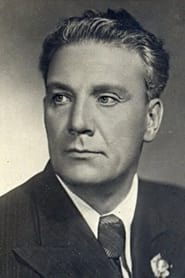
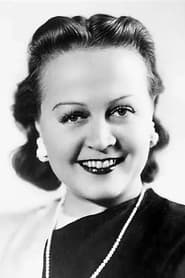
The production of 'Hectic Days' took place during a transitional period in Soviet cinema, when the strictures of socialist realism were becoming more enforced but hadn't yet eliminated lighter entertainment genres. Director Aleksandr Zarkhi, working at Lenfilm studios, had to carefully balance the romantic comedy elements with acceptable Soviet messaging. The casting of Nikolai Simonov, a respected classical actor, lent credibility to the production. Tatyana Okunevskaya's performance was particularly noted for its natural charm and wit, standing out from the more theatrical acting style common in earlier Soviet films. The workplace setting was deliberately chosen to reflect Soviet ideals of collective labor while providing a familiar backdrop for the romantic comedy elements.
What critics said
Modern retrospectives screen Hectic Days for craft context: performances, pacing, and camera choices that illustrate 1935 norms more than revolutionary leaps.
Did you know?
- Director Aleksandr Zarkhi co-directed many films with his wife Nadezhda Kosheverova, though this was one of his solo projects
- Tatyana Okunevskaya was only 19 years old when she starred in this film, early in her distinguished career
- The film was released during Stalin's regime, a period when romantic comedies were scrutinized for ideological correctness
- Nikolai Simonov was already an established stage actor at the Bolshoi Theatre before appearing in this film
- The film's theme of workplace romance was relatively novel for Soviet cinema of the 1930s
- Yanina Zheymo, who plays a supporting role, would later become one of Soviet cinema's most beloved comic actresses
- The film was shot at Lenfilm studios, one of the Soviet Union's largest film production centers
- Despite being a comedy, the film subtly promoted Soviet values of collective work and professional dedication
- The original Russian title was 'Суетные дни' (Suetnye Dni), literally meaning 'Vain Days' or 'Frivolous Days'
- The film survived World War II, when many Soviet films were lost during the siege of Leningrad
Visual style
The cinematography by Anatoli Golovnya employed the clean, bright style characteristic of Soviet film in the 1930s, with careful attention to lighting the actors in a flattering manner typical of romantic comedies. The workplace scenes were shot to emphasize the collective nature of Soviet labor while maintaining intimacy for the romantic moments. Camera work was relatively straightforward but effective, using medium shots and close-ups to capture the comic timing and romantic chemistry between the leads. The visual style balanced the modern, industrial Soviet setting with the softer, more intimate requirements of the romantic comedy genre.
Innovations
While not groundbreaking technically, 'Hectic Days' demonstrated the growing sophistication of Soviet film production in the mid-1930s. The film featured relatively advanced sound recording for its time, with clear dialogue and balanced music levels. The lighting techniques used for the romantic scenes showed the influence of Hollywood cinema on Soviet technical practices. The editing maintained good comic timing, an important technical achievement for a comedy film. The production values at Lenfilm studios were among the best in the Soviet Union, and this film benefited from that technical infrastructure.
Music
The film's score was composed in the typical style of Soviet film music of the 1930s, incorporating light, melodic themes that supported the romantic and comedic elements without overwhelming the dialogue. The music featured popular Soviet-style melodies that would have been familiar to contemporary audiences, helping to create an accessible entertainment experience. Sound recording technology was still relatively new in Soviet cinema at this time, and the film represents the growing sophistication of Soviet film audio production. The soundtrack included several musical interludes that enhanced the romantic atmosphere while maintaining the film's overall light tone.
Famous quotes
In our Soviet workplace, we build not only machines but also human relationships
True love is not a game of conquest but a meeting of equal minds
The busiest days are often the ones that matter most in life
Memorable scenes
- The opening sequence introducing Viktor as the office charmer, followed by his failed attempts to impress the new secretary Lena during her first day at work
- The climactic scene where Viktor must choose between his womanizing ways and genuine feelings for Lena during a workplace celebration
- The comedic montage of Viktor's various failed romantic strategies as Lena remains unimpressed by his usual tactics
What audiences thought
The film was popular with Soviet audiences upon its release, providing welcome entertainment during a period of intense industrialization and social transformation. Viewers appreciated the romantic elements and comedic situations, finding them relatable to their own workplace experiences. The film's success at the domestic box office demonstrated that Soviet audiences desired lighter entertainment alongside more ideologically heavy productions. In subsequent years, the film developed a reputation as a classic example of Soviet comedy, though its distribution was limited compared to more famous Soviet comedies from later periods.
Film connections
Influenced by
- Hollywood romantic comedies of the early 1930s
- Soviet socialist realist cinema
- European romantic comedy traditions
- Soviet workplace films
This film influenced
- Later Soviet romantic comedies of the 1940s-1960s
- Workplace romance films in Soviet cinema
- Films by Aleksandr Zarkhi and Nadezhda Kosheverova
Film restoration
The film is preserved in the Gosfilmofond Russian State Film Archive, though prints are rare and not widely distributed. Some restoration work has been done, but the film is not available in high-quality digital format for general viewing. The survival of this 1935 film is notable given the losses suffered by Soviet cinema during World War II.
Where to watch
- Rare screenings at film archives and specialized cinema museums
- Occasional broadcasts on Russian classic film television channels
- Available through specialized Soviet film collections in some academic institutions
- Limited availability through online classic film platforms specializing in Soviet cinema