Films
3 films
About Matvey Pavlikov
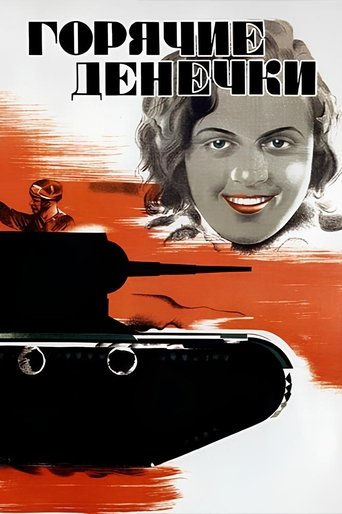
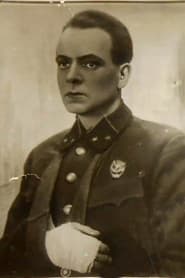
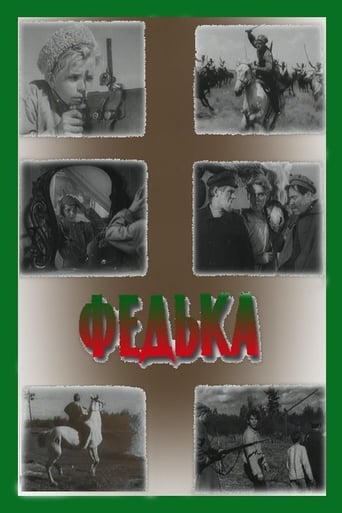
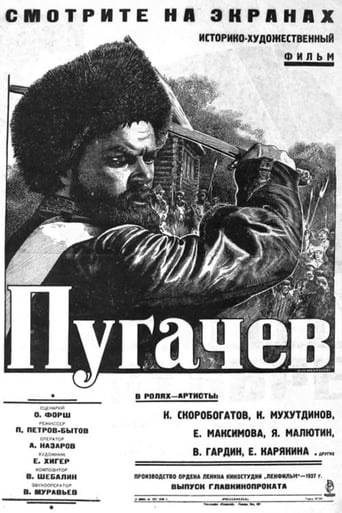
Soviet actor who had a brief but notable career during the mid-1930s, appearing in several significant films of the Stalinist era. His filmography, though short, spanned from 1935 to 1937 and included works that reflected the ideological and artistic trends of Soviet cinema during this period. Pavlikov appeared in 'Hectic Days' (1935), which was part of the socialist realist tradition that dominated Soviet filmmaking at the time. His role in 'Fedka' (1936) further established him as a character actor capable of portraying working-class heroes and revolutionary figures. Matvey Pavlikov's most significant appearance was in 'Pugachev' (1937), a historical drama about the famous 18th-century peasant rebellion leader, which was one of the major Soviet productions of its year. Despite his promising start in these notable films, Pavlikov's career appears to have ended abruptly around 1937, coinciding with the height of Stalin's Great Purge, which affected many figures in the Soviet arts. His disappearance from the film industry was not uncommon for actors of this era, as many faced political persecution or were forced out of their careers during this turbulent period.
The Craft
On Screen
Based on his filmography during the socialist realist period, Pavlikov likely employed the dramatic, ideologically-driven acting style characteristic of Soviet cinema in the 1930s, emphasizing clear character types that served the narrative goals of socialist realism.
Milestones
- Appeared in Hectic Days (1935)
- Starred in Fedka (1936)
- Featured in Pugachev (1937)
Best Known For
Iconic Roles
Must-See Films
Working Relationships
Studios
Why They Matter
Impact on Culture
Matvey Pavlikov's work, though brief, represents the typical trajectory of many Soviet actors during the Stalinist era who appeared in ideologically significant films but whose careers were often cut short by political circumstances. His participation in films like 'Pugachev' contributed to the Soviet cinematic project of creating historical narratives that aligned with communist ideology, helping to shape how Soviet audiences understood their revolutionary past through the medium of film.
Lasting Legacy
Pavlikov's legacy is primarily preserved through his surviving film performances, which serve as historical documents of Soviet cinematic production during the mid-1930s. His brief career exemplifies the precarious nature of artistic life during.
Who They Inspired
Due to the brevity of his career and limited documentation, there is little evidence of Matvey Pavlikov's direct influence on subsequent generations of Soviet actors. However, his work in the socialist realist tradition contributed to the broader cinematic language that would dominate Soviet filmmaking for decades.
Off Screen
Very little information is available about Matvey Pavlikov's personal life, which is not uncommon for Soviet actors of this era whose careers were cut short during the political upheavals of the 1930s.
Did You Know?
- His entire known filmography spans only three years from 1935 to 1937
- His career ended during the height of Stalin's Great Purge
- Pugachev (1937) was
- Like many Soviet actors of his era, detailed biographical information is scarce
- His films were made during the period when socialist realism became the official artistic doctrine in the USSR
Frequently Asked Questions
Who was Matvey Pavlikov?
Soviet with credits in this catalog. His career ended abruptly around 1937 during the turbulent political period of Stalin's Great Purge.
What films is Matvey Pavlikov best known for?
When was Matvey Pavlikov born and when did he die?
Specific birth and death dates for Matvey Pavlikov are not documented in available sources, which is common for many Soviet actors of this era whose careers were cut short during the 1930s purges.
What awards did Matvey Pavlikov win?
No awards or nominations for Matvey Pavlikov are documented in available sources, which may reflect both the brevity of his career and the limited historical records preserved for Soviet actors of this period.
What was Matvey Pavlikov's acting style?
Based on his work during the socialist realist period, Pavlikov likely employed the dramatic, ideologically-driven acting style characteristic of Soviet cinema in the 1930s, focusing on clear character types that served the narrative goals of socialist realism.