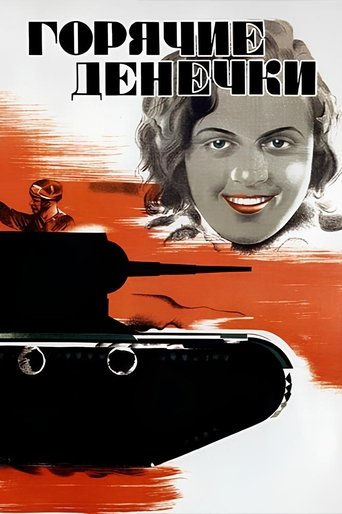
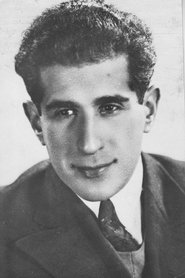
Aleksandr Zarkhi
Director
Born: February 18, 1908 in St. Petersburg, Russian Empire Died: January 27, 1997 Active: 1928-1975 Birth Name: Aleksandr Grigoryevich Zarkhi
Films
4 films
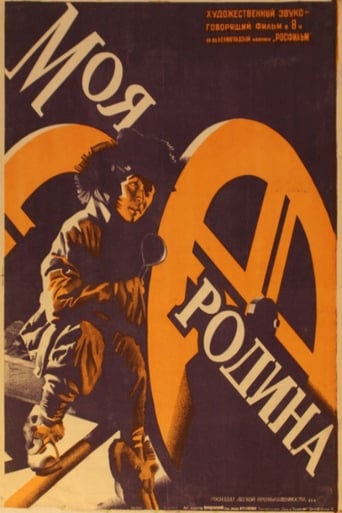
About Aleksandr Zarkhi
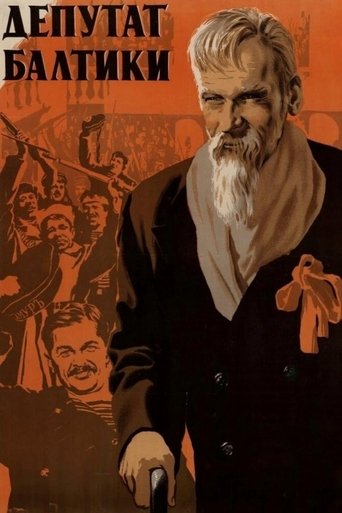
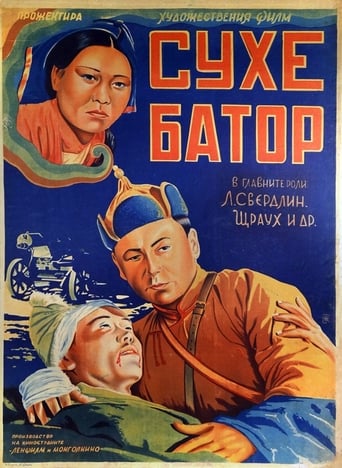
Aleksandr Grigoryevich Zarkhi — prominent Soviet film director and screenwriter who in shaping early Soviet cinema during the Stalinist era. Born in 1908, he began his career in the late 1920s and rose to prominence in the 1930s with a series of ideologically charged yet artistically compelling films that exemplified socialist realism. Zarkhi often collaborated with his wife, director Nadezhda Kosheverova, creating numerous films that balanced artistic merit with state-mandated political messaging. His most acclaimed works include 'Baltic Deputy' (1937), which celebrated Soviet scientific achievements, and 'His Name Is Sukhe-Bator' (1942), a wartime propaganda film about the Mongolian revolutionary. Throughout his career, Zarkhi navigated the complex demands of Soviet cultural policy while maintaining a distinctive directorial vision that emphasized human drama within revolutionary narratives. His films frequently featured themes of scientific progress, revolutionary heroism, and the triumph of Soviet ideology. After World War II, Zarkhi continued directing into the 1960s, adapting to changing political climates while remaining a respected figure in Soviet cinema until his death in 1997.
The Craft
Behind the Camera
Zarkhi's directing style was characterized by a blend of socialist realism principles with genuine artistic sensibility. He employed classical narrative structures while infusing his films with strong emotional cores and human drama. His visual approach often combined dynamic camera movements with carefully composed static shots that emphasized the grandeur of Soviet achievements. Zarkhi was particularly adept at creating heroic portraits of scientists, workers, and revolutionary figures while maintaining psychological depth in his characterizations. His films typically featured a balance between epic scale and intimate moments, using lighting and composition to create both documentary-like authenticity and cinematic poetry.
Milestones
- Directed 'Baltic Deputy' (1937),
- Created 'His Name Is Sukhe-Bator' (1942), a major wartime propaganda film
- Collaborated extensively with wife Nadezhda Kosheverova on numerous productions
- Received Stalin Prize for his contributions to Soviet cinema
- Transitioned successfully from silent films to sound cinema
- Directed both feature films and documentaries throughout his career
Best Known For
Must-See Films
Accolades
Won
- Stalin Prize, Second Class (1941) for 'Baltic Deputy'
- Order of the Red Banner of Labour
- Order of the Badge of Honour
- People's Artist of the RSFSR (1969)
- State Prize of the RSFSR (1971)
Special Recognition
- People's Artist of the RSFSR (1969)
- Honored Artist of the RSFSR
Working Relationships
Worked Often With
Studios
Why They Matter
Impact on Culture
Aleksandr Zarkhi made significant contributions to the development of Soviet cinema during its formative years and the Stalinist era. His films helped establish and popularize the genre of the Soviet biopic, particularly films celebrating scientists and revolutionary heroes. 'Baltic Deputy' became a template for how to portray intellectuals within the socialist realist framework, showing how scientific achievement could be harmonized with Soviet ideology. Zarkhi's work demonstrated that politically mandated cinema could still achieve artistic merit, influencing generations of Soviet filmmakers who had to balance creative expression with state requirements. His films about international revolutionary figures, particularly 'His Name Is Sukhe-Bator,' helped cement the Soviet Union's cultural connections with other socialist countries during World War II.
Lasting Legacy
Zarkhi's legacy endures as an important figure in the history of Soviet cinema who successfully navigated the treacherous political waters of Stalinist cultural policy while maintaining artistic integrity. His films remain valuable historical documents that reflect both the official ideology and the artistic aspirations of their time. The collaborative model he established with his wife Nadezhda Kosheverova influenced how creative partnerships were viewed in the Soviet film industry. Zarkhi's ability to create compelling human drama within the constraints of socialist realism demonstrated that ideological cinema could still achieve emotional resonance and technical excellence. His works continue to be studied by film historians as examples of how Soviet directors balanced artistic vision with political necessity.
Who They Inspired
Zarkhi influenced subsequent generations of Soviet and Russian directors through his demonstration of how to work within state systems while maintaining artistic quality. His approach to biographical films and his treatment of scientific subjects as heroic narratives became templates for later Soviet filmmakers. The collaborative working method he developed with his wife showed how creative partnerships could thrive within the Soviet system. His technical innovations in combining documentary realism with dramatic storytelling influenced the development of Soviet war films and biographical pictures throughout the mid-20th century.
Off Screen
Aleksandr Zarkhi was married to fellow director Nadezhda Kosheverova, with whom he frequently collaborated both personally and professionally. Their partnership was. Together they navigated the challenges of working within the Soviet film industry during some of its most restrictive periods. Zarkhi was known as a dedicated family man who maintained a relatively private personal life despite his public prominence in Soviet cultural circles.
Education
Graduated from Leningrad Institute of Screen Arts (now St. Petersburg State Institute of Film and Television) in the late 1920s
Family
- Nadezhda Kosheverova (married 1930s until his death in 1997)
Did You Know?
- Often co-directed films with his wife Nadezhda Kosheverova, though they were sometimes credited separately
- His film 'Baltic Deputy' was
- Survived the Stalinist purges that claimed many of his contemporaries in the film industry
- Worked across multiple Soviet film studios throughout his career
- His films were frequently shown in other socialist countries as examples of Soviet cultural achievement
- Continued directing well into the 1970s, adapting to the changing political climate of the post-Stalin era
- Was particularly skilled at directing non-professional actors alongside established stars
- His wartime films were used as both entertainment and propaganda during the Great Patriotic War
In Their Own Words
In cinema, as in life, the truth must serve the people
Every frame should carry the weight of our revolutionary ideals
The camera is not just a tool, but a weapon in the struggle for a better world
Frequently Asked Questions
Who was Aleksandr Zarkhi?
Prominent Soviet on YTB.my. He directed several classic Soviet films including 'Baltic Deputy' and 'His Name Is Sukhe-Bator,' often collaborating with his wife, director Nadezhda Kosheverova.
What films is Aleksandr Zarkhi best known for?
Titles linked here include Baltic Deputy (1937), His Name Is Sukhe-Bator (1942).
When was Aleksandr Zarkhi born and when did he die?
Born February 18, 1908; died January 27, 1997.
What awards did Aleksandr Zarkhi win?
Zarkhi received numerous prestigious awards including the Stalin Prize (1941) for 'Baltic Deputy,' the title of People's Artist of the RSFSR (1969), and the State Prize of the RSFSR (1971). He was also honored with the Order of the Red Banner of Labour and the Order of the Badge of Honour.
What was Aleksandr Zarkhi's directing style?
Zarkhi's directing style combined socialist realism principles with genuine artistic sensibility, featuring classical narrative structures and strong emotional cores. He excelled at creating heroic portraits while maintaining psychological depth, using dynamic camera movements and careful composition to balance documentary-like authenticity with cinematic poetry.