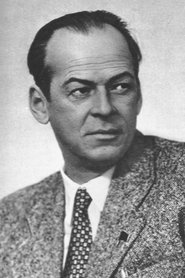
Nikolai Cherkasov
Actor
Born: July 27, 1903 in Saint Petersburg, Russian Empire Died: September 14, 1966 Active: 1927-1966 Birth Name: Nikolai Konstantinovich Cherkasov
Films
17 films
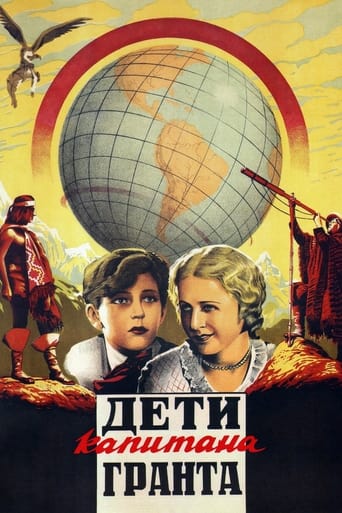
Capt. Grant's Family
1936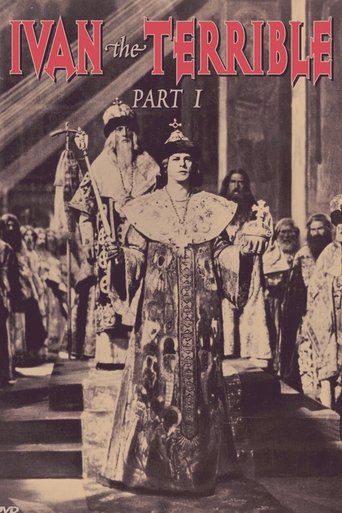
Ivan the Terrible, Part I
1944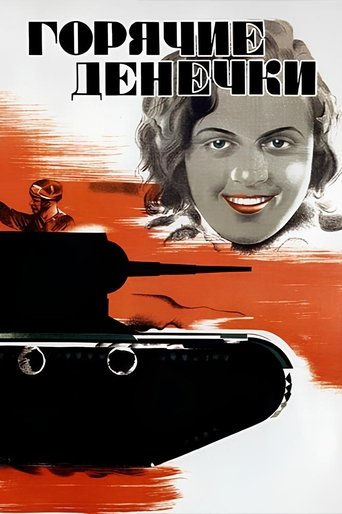
Hectic Days
1935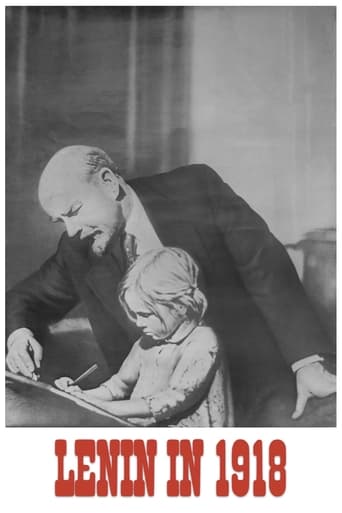
Lenin in 1918
1939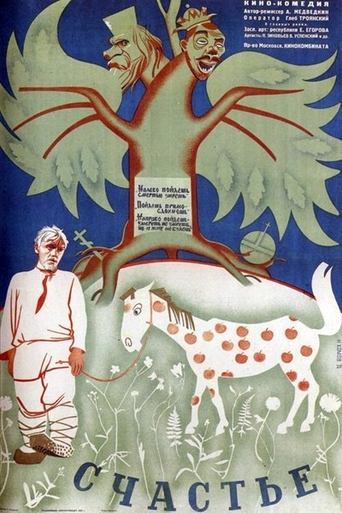
Happiness
1935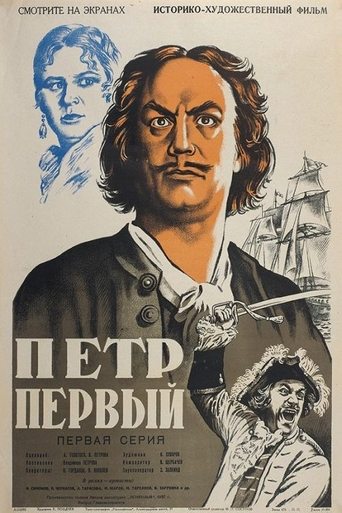
Peter the First, Part I
1937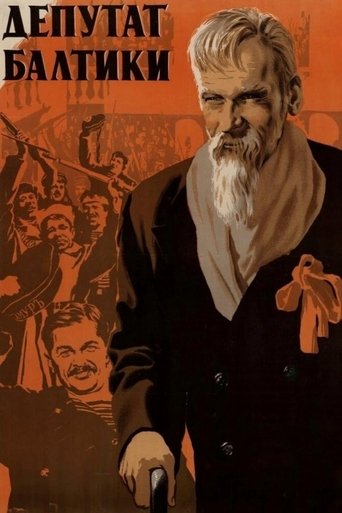
Baltic Deputy
1937
Friends
1938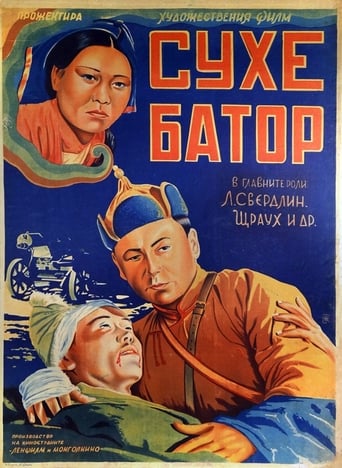
His Name Is Sukhe-Bator
1942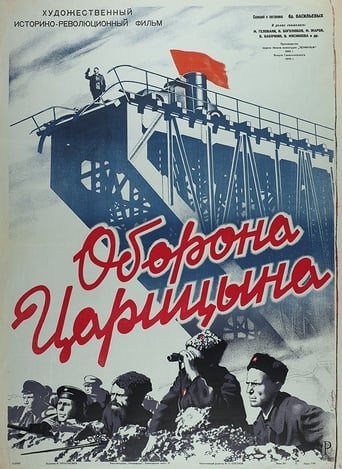
Defense of Tsaritsyn
1942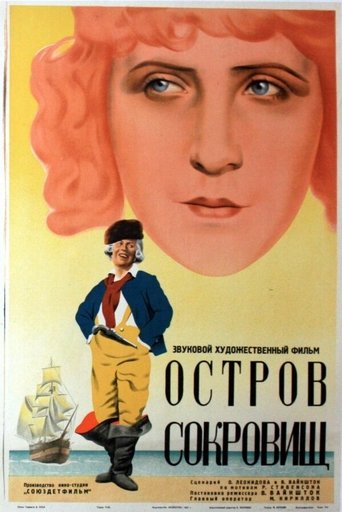
Treasure Island
1937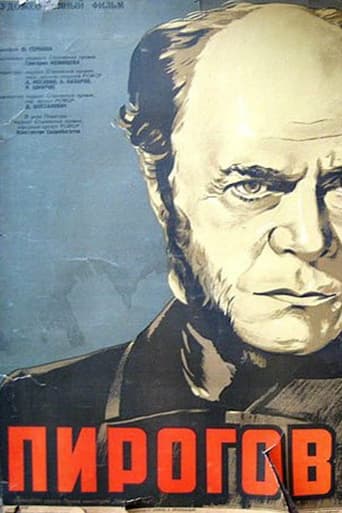
Pirogov
1947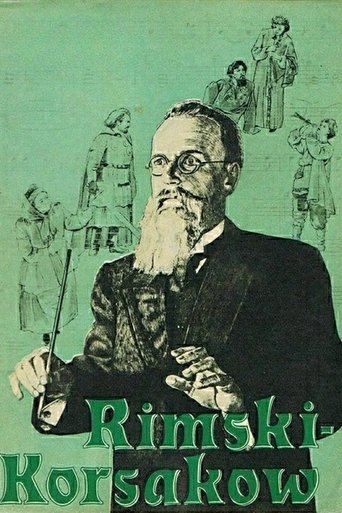
Rimsky-Korsakov
1952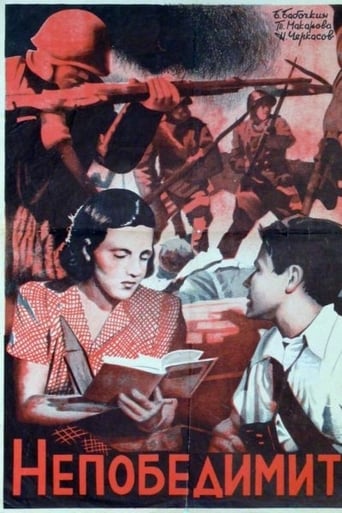
The Invincible
1942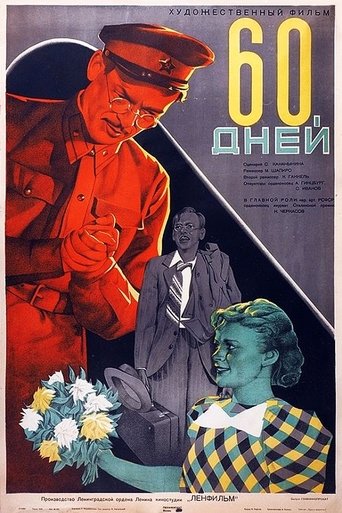
60 Days
1943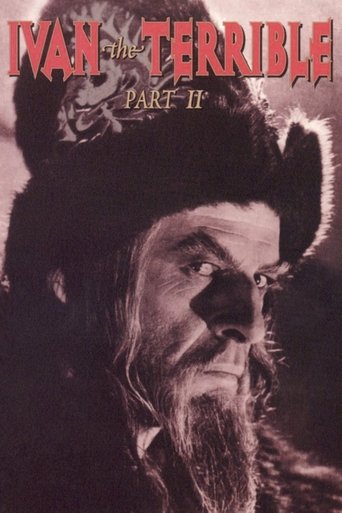
Ivan the Terrible, Part II: The Boyars' Plot
1958About Nikolai Cherkasov
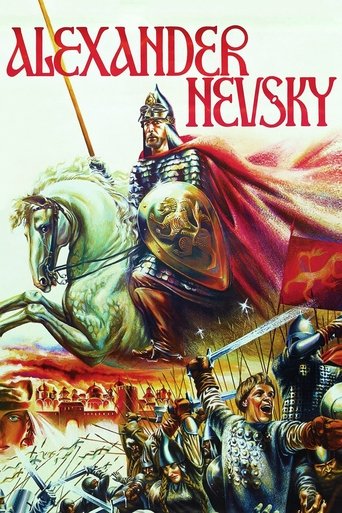
Nikolai Konstantinovich Cherkasov was actors of Soviet cinema, renowned for his powerful portrayals of historical figures and literary characters. Born into a working-class family in St. Petersburg, he initially studied at the Leningrad Institute of Performing Arts before joining the Leningrad Drama Theatre. His breakthrough came with his collaboration with director Sergei Eisenstein, beginning with 'Alexander Nevsky' (1938), where his portrayal of the medieval prince became. Cherkasov's most famous role was as Tsar Ivan IV in Eisenstein's epic 'Ivan the Terrible' (Parts I & II), a performance that showcased his remarkable ability to convey complex psychological states. Throughout his career, he appeared in over 30 films, often playing historical heroes, scientists, and revolutionary figures that aligned with Soviet ideology. His commanding presence, deep voice, and intense acting style made him the definitive face of Soviet historical cinema. Cherkasov was honored as a People's Artist of the USSR and received multiple Stalin Prizes for his contributions to Soviet art and cinema.
The Craft
On Screen
Cherkasov was known for his monumental, theatrical acting style characterized by powerful vocal delivery, intense emotional expression, and commanding physical presence. His technique blended classical theatrical training with cinematic naturalism, allowing him to portray larger-than-life historical figures with both gravitas and psychological depth. He specialized in transformation roles, often undergoing significant physical changes to embody his characters, particularly in historical epics where his performances became archetypal representations of Russian and Soviet heroes.
Milestones
- Graduated from Leningrad Institute of Performing Arts (1926)
- Joined Leningrad Drama Theatre (1926)
- Starred in Eisenstein's 'Alexander Nevsky' (1938)
- Portrayed Ivan the Terrible in Eisenstein's epic (1944-1946)
- Awarded Stalin Prize multiple times
- Named People's Artist of the USSR (1947)
- Received Lenin Prize (1964)
Best Known For
Iconic Roles
Must-See Films
Accolades
Won
- Stalin Prize (1941) for 'Alexander Nevsky'
- Stalin Prize (1946) for 'Ivan the Terrible, Part I'
- Stalin Prize (1948) for 'The Vow'
- Stalin Prize (1950) for 'The Fall of Berlin'
- Lenin Prize (1964) for lifetime achievement
- Order of Lenin (multiple times)
- People's Artist of the USSR (1947)
Nominated
- Venice Film Festival Volpi Cup nomination for 'Alexander Nevsky' (1938)
Special Recognition
- People's Artist of the RSFSR (1939)
- People's Artist of the USSR (1947)
- Hero of Socialist Labor (1964)
- Order of the Red Banner of Labour
- Medal 'For the Defence of Leningrad'
Working Relationships
Worked Often With
Studios
Why They Matter
Impact on Culture
Cherkasov became the face of Soviet historical cinema, embodying the ideal Soviet hero through his portrayals of Russian historical figures. His performances in Eisenstein's epics helped define the visual and emotional language of Soviet propaganda cinema, while also achieving artistic excellence that transcended political boundaries. His portrayal of Alexander Nevsky was particularly significant during WWII, serving as patriotic inspiration for Soviet citizens fighting against Nazi invasion. The actor's distinctive features and powerful presence made him an instantly recognizable cultural icon throughout the Soviet Union and Eastern Bloc countries.
Lasting Legacy
Nikolai Cherkasov remains. His method of combining theatrical grandeur with cinematic realism influenced generations of actors in both Soviet and international cinema. The Cherkasov Memorial Museum in St. Petersburg preserves his legacy, and his films continue to be studied in film schools worldwide. His contributions to the art of film acting, particularly in historical epics, established standards that are still referenced today. Cherkasov's work represents the pinnacle of Soviet artistic achievement during the Stalin era, balancing artistic excellence with ideological requirements.
Who They Inspired
Cherkasov's approach to historical character acting influenced numerous Soviet and Russian actors, including Oleg Yankovsky and Innokenty Smoktunovsky. His collaboration with Eisenstein helped establish techniques for epic historical filmmaking that influenced directors worldwide. International filmmakers, including Andrei Tarkovsky, cited Cherkasov's work as an inspiration for achieving both artistic merit and emotional depth in historical cinema. His method of physical transformation and psychological preparation for roles became a model for actors undertaking complex historical characters.
Off Screen
Cherkasov was married to actress Nina Veprintseva, with whom he had a son, Andrei Cherkasov, who also became an actor. Despite his immense fame, he maintained a relatively private personal life and was known for his dedication to his craft and the Soviet artistic ideals. He suffered from heart problems in his later years, which contributed to his declining health and eventual death at age 63. Cherkasov was deeply committed to the Soviet system and was an active member of the Communist Party, using his influence to promote socialist values through his work.
Education
Leningrad Institute of Performing Arts (graduated 1926)
Family
- Nina Veprintseva (1930-1966)
Did You Know?
- Was originally trained as a singer and considered an opera career before choosing acting
- Underwent extreme weight loss for his role as the aging Ivan the Terrible
- His performance in 'Ivan the Terrible, Part II' was criticized by Stalin for being too sympathetic to the tsar
- Was a close friend of composer Sergei Prokofiev, who scored 'Alexander Nevsky'
- Spent months researching historical documents before portraying historical figures
- Was one of the highest-paid actors in the Soviet Union during his peak
- His image appeared on Soviet postage stamps and currency
- Refused to leave Leningrad during the WWII siege, continuing to perform for soldiers
- Was fluent in several languages, including English and German
- His voice was considered so distinctive that he was often used for radio broadcasts and narration
In Their Own Words
The actor must disappear into the character, but the character must live through the actor
Historical figures are not statues in a museum; they were living, breathing people with the same passions and fears as we have
To portray a great man, one must understand not just what he did, but why he did it
Cinema is truth twenty-four times per second, but historical cinema is truth filtered through the artist's soul
The greatest challenge is not to imitate history, but to make it alive for today's audience
Frequently Asked Questions
Who was Nikolai Cherkasov?
Nikolai Cherkasov was. He is best remembered for his collaborations with director Sergei Eisenstein, particularly in 'Alexander Nevsky' and 'Ivan the Terrible,' where his performances became archetypal representations of Russian historical heroes.
What films is Nikolai Cherkasov best known for?
Titles linked here include Alexander Nevsky (1938), Ivan the Terrible, Part I (1944).
When was Nikolai Cherkasov born and when did he die?
Born July 27, 1903; died September 14, 1966.
What awards did Nikolai Cherkasov win?
Cherkasov received numerous prestigious awards including multiple Stalin Prizes (1941, 1946, 1948, 1950), the Lenin Prize (1964), and was named People's Artist of the USSR in 1947. He was also awarded the title Hero of Socialist Labor in 1964 and received several Orders of Lenin, making him.
What was Nikolai Cherkasov's acting style?
Cherkasov was known for his monumental, theatrical acting style characterized by powerful vocal delivery, intense emotional expression, and commanding physical presence. He blended classical theatrical training with cinematic naturalism, specializing in transformation roles where he underwent significant physical changes to embody historical figures. His technique allowed him to portray larger-than-life characters with both gravitas and psychological depth.
How did Cherkasov influence Soviet cinema?
Cherkasov became the face of Soviet historical cinema, establishing standards for portraying historical figures that influenced generations of actors. His collaborations with Eisenstein helped define the visual and emotional language of Soviet epic films, while his performances in wartime propaganda films like 'Alexander Nevsky' served as powerful patriotic inspiration. His work demonstrated how artistic excellence could coexist with ideological requirements in Soviet cultural production.
What was Cherkasov's relationship with director Sergei Eisenstein?
Cherkasov's collaboration with Sergei Eisenstein was. Their work together on 'Alexander Nevsky' and 'Ivan the Terrible' produced masterpieces of world cinema, with Cherkasov becoming Eisenstein's preferred actor for complex historical roles. Their artistic collaboration pushed both men to new creative heights, though their work on 'Ivan the Terrible, Part II' attracted political controversy.