Nikolai Simonov
Actor
Born: December 4, 1901 in Samara, Russian Empire Died: April 20, 1973 Active: 1927-1973
Films
4 films
About Nikolai Simonov
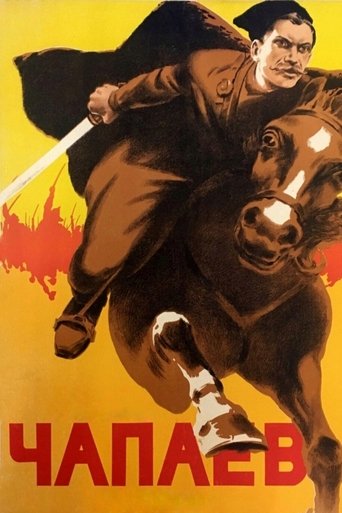
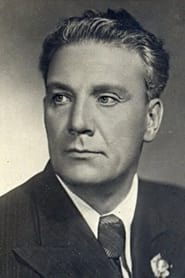
Nikolai Konstantinovich Simonov was actors of Soviet cinema and theater during the Stalinist era and beyond. After graduating from the Leningrad Institute of Stage Arts in 1927, he began his career at the Leningrad Drama Theater, where he would remain associated for most of his professional life. His breakthrough film role came in 1934's 'Chapayev,' where he portrayed the character of Petka, a performance that would become memorable in Soviet cinema history. Throughout the 1930s and 1940s, Simonov established himself excelled in portraying heroic, revolutionary, and historical figures, perfectly embodying the ideals promoted by Soviet cultural policy. His theater work was equally significant, with acclaimed performances in classical Russian plays and contemporary Soviet dramas at the Pushkin Drama Theater. Simonov continued acting through the 1950s and 1960s, transitioning successfully to more complex character roles as Soviet cinema evolved. He received the highest honors the Soviet Union could bestow upon artists, including the title of People's Artist of the USSR, cementing his status as a cultural icon of his era.
The Craft
On Screen
Simonov was known for his powerful, theatrical acting style that emphasized emotional intensity and clear characterization. His technique was rooted in the Stanislavski system but adapted for the grand, heroic style demanded by Soviet socialist realism. He excelled at portraying larger-than-life characters with conviction and authenticity, bringing both physical presence and psychological depth to his roles. His performances were marked by strong vocal projection, precise gestures, and an ability to convey complex emotions through subtle facial expressions. Simonov's style was particularly effective in historical and military roles, where he embodied the ideal Soviet hero with dignity and strength.
Milestones
- Breakthrough role as Petka in Chapayev (1934)
- Named People's Artist of the USSR (1950)
- Received Stalin Prize for acting achievements (1941, 1947)
- Leading actor at Pushkin Drama Theater for over 40 years
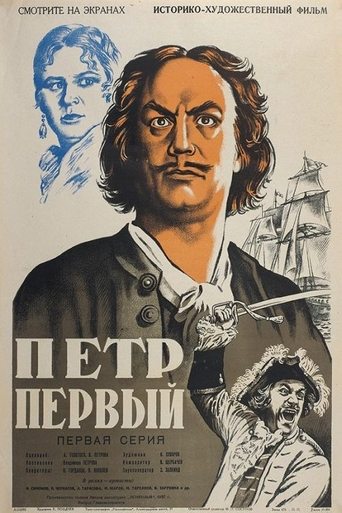
- Portrayed Peter the Great in the historical epic (1937-1938)
- Successful transition from silent films to talkies
Best Known For
Iconic Roles
Must-See Films
Accolades
Won
- Stalin Prize (1941)
- Stalin Prize (1947)
- People's Artist of the USSR (1950)
- Order of Lenin
- Order of the Red Banner of Labour
- State Prize of the RSFSR (1968)
Special Recognition
- People's Artist of the RSFSR (1947)
- Honored Artist of the RSFSR (1939)
- Named after him: Simonov Drama Theater in St. Petersburg
Working Relationships
Worked Often With
Studios
Why They Matter
Impact on Culture
Nikolai Simonov's impact on Soviet cinema was profound and lasting, particularly through his role in 'Chapayev,' which became. The character of Petka, portrayed by Simonov, became an archetypal hero in Soviet popular culture, representing the ideal revolutionary fighter. His performances helped establish the visual and behavioral template for Soviet heroes in cinema, influencing generations of actors who followed. Simonov's work in historical films, especially his portrayal of Peter the Great, contributed to the Soviet tradition of using cinema to educate and inspire audiences about national history. His theater career was equally significant, as he helped maintain high artistic standards at one of Leningrad's most prestigious cultural institutions during both wartime and peacetime.
Lasting Legacy
Nikolai Simonov's legacy endures as one of the foundational figures of Soviet cinema and theater. His portrayal of Petka in 'Chapayev' remains. The Pushkin Drama Theater in St. Petersburg was renamed in his honor, recognizing his decades of contribution to Russian theater. Simonov's approach to acting, blending theatrical grandeur with psychological realism, influenced Soviet acting pedagogy for decades. His film work continues to be studied as exemplary examples of socialist realism in cinema, while his theater performances are remembered as landmark interpretations of Russian and world dramatic literature. Simonov represents the golden generation of Soviet artists who helped shape the cultural identity of the USSR through their art.
Who They Inspired
Simonov influenced multiple generations of Soviet and Russian actors through his performances and teaching at the Pushkin Drama Theater. His technique of combining physical presence with emotional depth became a model for actors portraying heroic characters in Soviet cinema. The success of 'Chapayev' established a template for the buddy dynamic between revolutionary heroes that appeared in numerous subsequent Soviet war films. His theater work influenced the staging and interpretation of classical Russian plays, particularly in how he balanced traditional theatricality with modern psychological approaches. Younger actors who worked with him often cited his dedication to craft and his ability to maintain artistic integrity while working within the constraints of the Soviet system as inspirational.
Off Screen
Nikolai Simonov was deeply committed to his craft and maintained a relatively private personal life despite his fame. He married actress Nonna Mordyukova, though their marriage was not widely publicized. Simonov was known to be a dedicated theater professional who often spent long hours at the Pushkin Drama Theater, where he mentored younger actors. He lived through the most tumultuous periods of Soviet history, including the Stalin era, World War II, and the Khrushchev Thaw, adapting his career to the changing political and cultural landscape. His later years were marked by continued stage work and occasional film appearances, maintaining his status as one of Soviet cinema's most respected figures until his death in 1973.
Education
Leningrad Institute of Stage Arts (graduated 1927)
Family
- Nonna Mordyukova
Did You Know?
- His role as Petka in 'Chapayev' was so popular that the character became part of Russian folklore
- The film 'Chapayev' was reportedly Stalin's favorite film and was shown to Soviet troops during WWII
- Simonov continued performing on stage even during the Siege of Leningrad in WWII
- He was one of the few actors who successfully transitioned from silent films to sound films in Soviet cinema
- His portrayal of Peter the Great required extensive historical research and physical transformation
- Simonov was known for his deep, resonant voice which was particularly effective in sound films
- He turned down several offers to work in Hollywood during the 1930s, remaining loyal to Soviet cinema
- The Pushkin Drama Theater was officially renamed the 'Simonov Drama Theater' in his honor
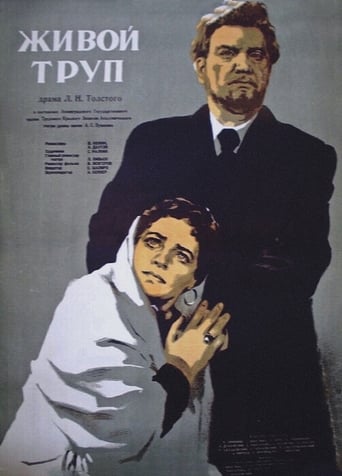
- His performance in 'The Living Corpse' was praised for bringing Tolstoy's complex character to life
- Simonov was known to rehearse his roles extensively, sometimes spending months preparing for a single part
In Their Own Words
The actor must not just play the role, he must become the role, live it, breathe it.
In every character, there must be a piece of yourself, otherwise the performance will be false.
Theater is not entertainment, it is a sacred duty to bring truth to the stage.
To play a hero, one must understand what makes a person heroic in the first place.
Frequently Asked Questions
Who was Nikolai Simonov?
Renowned Soviet with credits in this catalog. He is best known for his role as Petka in the classic film 'Chapayev' and was honored as a People's Artist of the USSR for his contributions to Soviet culture.
What films is Nikolai Simonov best known for?
Titles linked here include Chapayev (1934), Peter the First, Part I (1937).
When was Nikolai Simonov born and when did he die?
Born December 4, 1901; died April 20, 1973.
What awards did Nikolai Simonov win?
Simonov received the highest honors in Soviet arts, including two Stalin Prizes (1941, 1947), the title of People's Artist of the USSR (1950), the Order of Lenin, and the State Prize of the RSFSR (1968).
What was Nikolai Simonov's acting style?
Simonov was known for his powerful, theatrical acting style rooted in the Stanislavski system, characterized by emotional intensity, strong physical presence, and clear characterization. He excelled at portraying heroic and historical figures with conviction and authenticity.
Where did Nikolai Simonov work as a theater actor?
Simonov was primarily associated with the Pushkin Drama Theater in Leningrad (now St. Petersburg) for over 40 years, where he was a leading actor and mentor to younger performers. The theater was later renamed in his honor.
How did Nikolai Simonov influence Soviet cinema?
Simonov helped establish the archetype of the Soviet hero through his role in 'Chapayev,' influencing countless subsequent films. His performances contributed to the development of socialist realism in cinema and set standards for portraying historical and revolutionary characters in Soviet film.