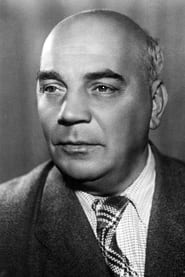
Aleksei Gribov
Actor
Born: March 28, 1902 in Moscow, Russian Empire Died: December 1, 1977 Active: 1928-1977 Birth Name: Aleksei Nikolaevich Gribov
Films
13 films
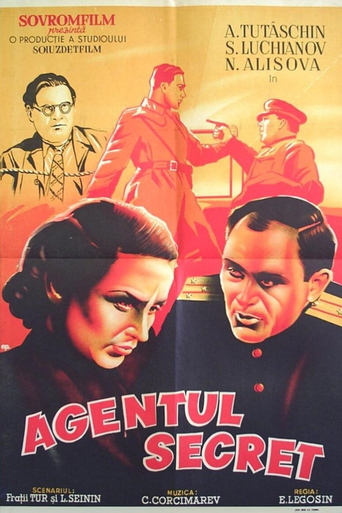
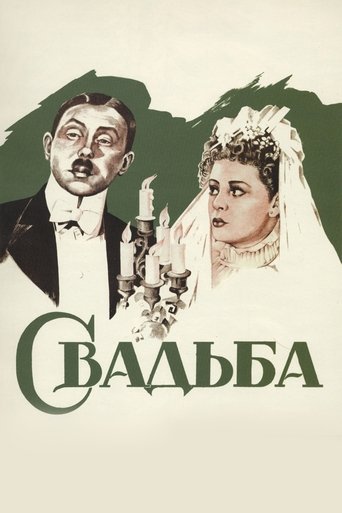
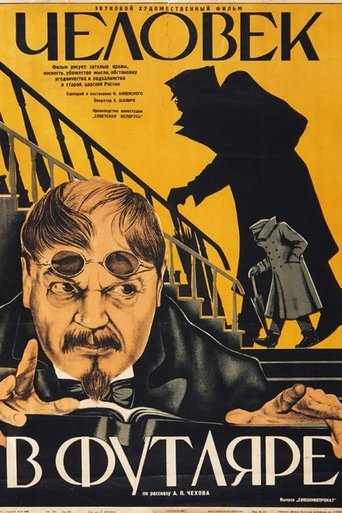
About Aleksei Gribov
Aleksei Nikolaevich Gribov was character actors of Soviet cinema and theater, renowned for his exceptional versatility and memorable performances. Born in Moscow in 1902, he began his theatrical career in the 1920s and joined the prestigious Moscow Art Theatre (MKhAT) in 1928, where he would remain for nearly five decades. His film career took off in the 1930s with roles in Soviet classics, establishing him excelled in both comedy and drama. Gribov's distinctive appearance and powerful voice made him instantly recognizable, and he became particularly beloved for his portrayals of ordinary Soviet citizens with remarkable depth and humanity. During World War II, he contributed to the war effort through patriotic films and performances, earning recognition for his artistic contributions. His later years saw him receiving the highest honors in Soviet arts, including the title of People's Artist of the USSR. Gribov's legacy endures through his extensive filmography and his influence on generations of Soviet actors who followed his example of dedication to the craft.
The Craft
On Screen
Gribov was known for his naturalistic and deeply humanistic approach to character acting, specializing in portraying ordinary Soviet citizens with remarkable authenticity and warmth. His technique combined subtle physical comedy with profound emotional depth, allowing him to seamlessly transition between humorous and dramatic roles. He possessed a distinctive voice and commanding presence that made even minor characters memorable, often using minimal gestures to maximum effect. His performances were characterized by their psychological realism and ability to find the universal in the everyday.
Milestones
- Joined Moscow Art Theatre (MKhAT) in 1928
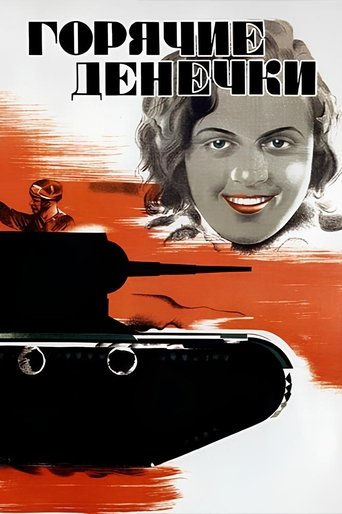
- Breakthrough film role in 'Hectic Days' (1935)
- Received Stalin Prize for artistic achievements (1942)
- Awarded title of People's Artist of the USSR (1948)
- Received Order of Lenin for contributions to Soviet art (1967)
- Completed over 50 film appearances by retirement
Best Known For
Iconic Roles
Must-See Films
Accolades
Won
- Stalin Prize (1942)
- People's Artist of the USSR (1948)
- Order of Lenin (1967)
- Order of the Red Banner of Labour (1948)
- Order of the October Revolution (1972)
Nominated
- State Prize of the RSFSR (1971)
Special Recognition
- Honored Artist of the RSFSR (1938)
- People's Artist of the RSFSR (1945)
- Moscow Art Theatre Lifetime Achievement Award
Working Relationships
Worked Often With
Studios
Why They Matter
Impact on Culture
Aleksei Gribov played a significant role in shaping Soviet cinema's portrayal of the common man, helping to create a new archetype of the Soviet everyman that resonated with audiences across the USSR. His performances contributed to the development of socialist realism in film, balancing ideological requirements with genuine human emotion and humor. Through his work at the Moscow Art Theatre, he helped preserve and evolve the Stanislavski system for new generations of Soviet actors. His films became part of the cultural fabric of Soviet life, with many of his characters entering the popular consciousness as representations of Soviet values and ideals.
Lasting Legacy
Gribov's legacy endures through his extensive body of work that continues to be studied by actors and film scholars interested in Soviet cinema. He is remembered as. The Moscow Art Theatre continues to honor his memory, and his films remain important documents of Soviet cultural history. His approach to character acting influenced generations of Soviet and Russian performers who followed in his footsteps.
Who They Inspired
Gribov influenced Soviet cinema by demonstrating how character actors could become cultural icons through consistent excellence and authenticity. His naturalistic style helped move Soviet film acting away from theatrical mannerisms toward greater realism. He mentored numerous actors who would become major figures in Soviet and Russian cinema and theater, passing on the traditions of the Moscow Art Theatre. His ability to find humanity in ideological characters set a standard for actors working within the Soviet system.
Off Screen
Gribov was known as a private individual who dedicated most of his life to his craft at the Moscow Art Theatre. He married fellow actress Valentina Tokarskaya in 1934, and their marriage lasted until his death in 1977. Despite his fame, he maintained a modest lifestyle and was respected for his humility and dedication to theatrical education. He was known to mentor young actors at MKhAT and was deeply involved in the theater's educational programs.
Education
Graduated from Moscow Art Theatre School (MKhAT School) in 1928 under the tutelage of Konstantin Stanislavsky and Vladimir Nemirovich-Danchenko
Family
- Valentina Tokarskaya (1934-1977)
Did You Know?
- Despite his fame, Gribov never owned a car and preferred using public transportation in Moscow
- He was known for his photographic memory and could recite entire plays from memory
- Gribov — close friend of composer Dmitri Shostakovich and appeared in several films featuring his music
- He continued performing at the Moscow Art Theatre even after being diagnosed with a serious heart condition
- His distinctive voice made him a popular choice for radio dramas and voice-over work
- Gribov was known for his extensive collection of theatrical memorabilia
- He turned down several offers to direct films, preferring to focus on acting
- During World War II, he performed for frontline soldiers despite the dangers
- His final stage performance was just months before his death in 1977
- Gribov was known for his modesty and often gave his best lines to younger actors in ensemble pieces
In Their Own Words
The stage is not a place for showing off, but for revealing truth.
Every character, no matter how small, deserves the same respect and preparation.
The audience can always tell when an actor is lying to them, even in comedy.
To be a good actor, you must first be a good observer of human nature.
The Moscow Art Theatre taught me that there are no small roles, only small actors.
Frequently Asked Questions
Who was Aleksei Gribov?
Renowned Soviet with credits in this catalog. He was particularly celebrated for his character roles and naturalistic acting style, earning the title of People's Artist of the USSR for his contributions to Soviet culture.
What films is Aleksei Gribov best known for?
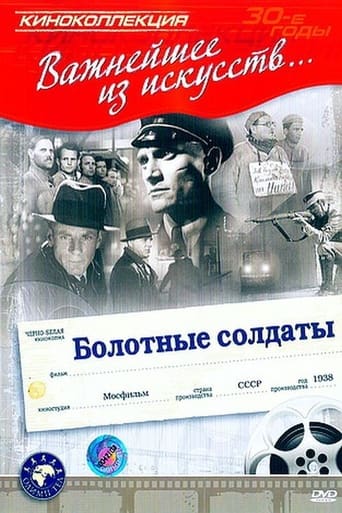
Titles linked here include Hectic Days (1935), Peat-Bog Soldiers (1938).
When was Aleksei Gribov born and when did he die?
Born March 28, 1902; died December 1, 1977.
What awards did Aleksei Gribov win?
Gribov received numerous prestigious awards including the Stalin Prize in 1942, the title of People's Artist of the USSR in 1948, the Order of Lenin in 1967, and the Order of the October Revolution in 1972. He was also named Honored Artist of the RSFSR in 1938 and People's Artist of the RSFSR in 1945.
What was Aleksei Gribov's acting style?
Gribov was known for his naturalistic and deeply humanistic approach to character acting, specializing in portraying ordinary Soviet citizens with remarkable authenticity. His style combined subtle physical comedy with profound emotional depth, using minimal gestures to maximum effect and creating psychologically realistic performances.
Where did Aleksei Gribov receive his theatrical training?
Gribov graduated from the Moscow Art Theatre School (MKhAT School) in 1928, where he studied under the legendary theater practitioners Konstantin Stanislavsky and Vladimir Nemirovich-Danchenko. This training formed the foundation of his entire career.
Did Aleksei Gribov work primarily in film or theater?
While Gribov had an extensive and successful film career, his primary affiliation was with the Moscow Art Theatre, where he worked for nearly five decades from 1928 until his death. He successfully balanced both mediums, considering the theater his artistic home while making significant contributions to Soviet cinema.