



Man in a Shell
"When teacher turns"
Keys: Space play/pause · ←/→ 10s · F fullscreen · M mute · </> speed
About this film
The Greek teacher Belikov, who works in a rural gymnasium, loved to keep things in cases, was afraid of everything and lived himself, as if in a case, on the principle: “no matter what happens”. By this principle, he literally "terrorized" the gymnasium and the villagers. Hope appeared when Varenka arrived in the village - “not a girl, but marmalade”, although she was already aged, and “did not mind being married, even if only to a teacher of the Greek language”.
Cast & crew
More Comedy films
View all →






More from Isidor Annensky
View all →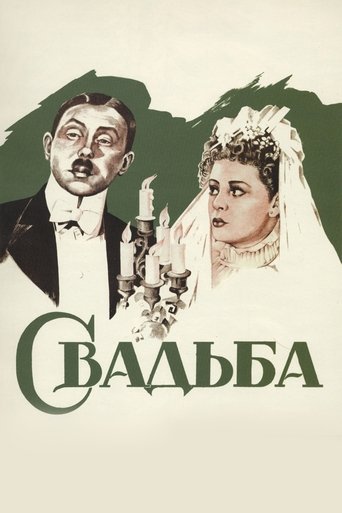
More about this film
About the production
Release date1939
ProductionMosfilm Studios
Filmed inMoscow, Soviet Union
This adaptation of Chekhov's classic short story was filmed during a particularly complex period in Soviet cinema, just before World War II. Director Isidor Annensky faced the challenge of adapting Chekhov's subtle psychological narrative to the cinematic medium while navigating the strict ideological requirements of Soviet filmmaking in the late 1930s. The production emphasized the satirical elements of the story while maintaining its deeper philosophical themes about fear and isolation. The film's visual style incorporated elements of socialist realism while preserving the intimate, character-focused nature of Chekhov's original work.
Themes
Fear and isolationConformity vs. individualityThe prison of routineLove as liberationSocial pressure and expectation
Themes & topics
teacherfearisolationmarriagesmall townpsychological dramacomedy19th centuryRussian literatureadaptationlonelinesssocial pressuretransformation
Historical background
Made in its country of production around 1939, Man in a Shell belongs to the early sound era. Its story of the greek teacher belikov, who works in a rural gymnasium, loved to keep things in cases, was afraid of everything and lived himself, as if in a case, on the principle: “no matter what happens” spoke to audiences of the day through familiar genres and topical settings.
Why this film matters
Archivists and historians still cite Man in a Shell when tracing how the early sound era filmmakers staged greek and teacher on screen.
Making of
The production of 'Man in a Shell' took place during a tumultuous period in Soviet history. Director Isidor Annensky, known for his literary adaptations, approached Chekhov's story with careful consideration of the political climate. The casting of Mikhail Zharov as Belikov was particularly inspired, as Zharov brought both comedic timing and tragic depth to the role of the reclusive teacher. The film's production design emphasized the claustrophobic nature of Belikov's world, with careful attention to the props that symbolize his isolation - his umbrella, galoshes, and glasses all serving as visual metaphors for his self-imposed prison. The screenplay adaptation had to balance Chekhov's nuanced psychological portrait with the demands of cinematic storytelling and the ideological constraints of Soviet filmmaking in the late 1930s. The collaboration between Annensky and the cast, particularly the Faina Ranevskaya, resulted in a film that managed to preserve Chekhov's delicate irony while making the story accessible to contemporary Soviet audiences.
What critics said
Reviews from 1939 weighed Man in a Shell on pacing, performance, and novelty. Later criticism reads its emphasis on greek, teacher, belikov through modern standards of craft and representation.
Did you know?
- This is one of the earliest film adaptations of Anton Chekhov's short story 'The Man in a Case' (Человек в футляре), originally published in 1898
- Director Isidor Annensky was known for his adaptations of Russian literary classics, having previously worked on films based on works by Gogol and Dostoevsky
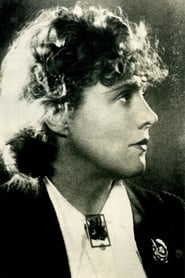
- Faina Ranevskaya, who plays a supporting role, would become one of Soviet cinema's most celebrated character actresses, famous for her wit and memorable one-liners
- The film was made at Mosfilm, the Soviet Union's most prestigious film studio, which was established in 1924
- 1939 was a particularly dangerous year for Soviet artists, as it fell during the Great Purge, making any artistic production politically risky
- The film's release coincided with the 40th anniversary of Chekhov's death in 1904
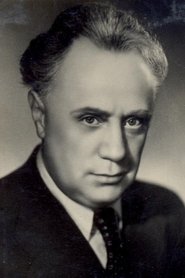
- Mikhail Zharov, who plays Belikov, was already a well-established actor in Soviet theater and cinema before this role
- The adaptation emphasizes the comedic elements of Chekhov's story more than the original text, possibly to make it more accessible to Soviet audiences
- The film's title in Russian is 'Человек в футляре' (Chelovek v futlyare), which literally translates to 'Man in a Case'
- This version predates the more famous 1960 Soviet television adaptation of the same story
Visual style
The cinematography by Yuri Razumov employed careful composition to emphasize Belikov's psychological imprisonment. The camera work frequently used framing devices to visually represent the character's self-imposed isolation - shooting through doorways, windows, and other barriers to create a sense of separation. The lighting design contrasted the dim, enclosed spaces of Belikov's world with the brighter, more open environments associated with Varenka, visually representing the possibility of liberation. The film used relatively static camera work for scenes featuring Belikov, reinforcing his rigid, unchanging nature, while employing more dynamic movement for sequences involving other characters. The visual style incorporated elements of socialist realism while maintaining the intimate, psychological focus of Chekhov's original story. Close-ups were used strategically to reveal the characters' inner emotions, particularly in moments of Belikov's psychological crisis.
Innovations
The film demonstrated notable technical achievements in adapting literary material to the cinematic medium, particularly in its use of visual metaphors to represent psychological states. The production design successfully created a believable 19th-century Russian provincial setting while working within the constraints of Soviet film production. The film's editing rhythm effectively conveyed the contrast between Belikov's measured existence and the more dynamic world around him. The sound recording and mixing techniques of the period were employed to create subtle psychological effects, particularly in scenes representing Belikov's internal experience. The film's makeup and costume design effectively conveyed character through visual means, with Belikov's appearance carefully crafted to reflect his psychological state. The technical team succeeded in creating a cohesive visual language that supported the film's thematic concerns while maintaining the naturalistic style appropriate to a Chekhov adaptation.
Music
The musical score was composed by Lev Shvarts, who created a soundtrack that balanced the film's comedic and tragic elements. The music incorporated elements of Russian folk melodies and classical influences appropriate to the story's 19th-century setting. The score used leitmotifs to represent different characters and psychological states, with Belikov's theme characterized by careful, measured orchestration that reflected his cautious nature. The soundtrack included diegetic music that reflected the cultural context of the story, such as piano pieces that might have been played in a provincial Russian town of the period. The music subtly underscored the film's emotional shifts without overwhelming the naturalistic performances. Sound design was used to enhance the sense of Belikov's isolation, with careful attention to how ambient sounds were filtered or muffled in scenes representing his subjective experience of the world.
Famous quotes
'No matter what happens' - Belikov's life principle
'Not a girl, but marmalade' - description of Varenka
'Even if only to a teacher of the Greek language' - Varenka's attitude toward marriage
'He lived as if in a case' - description of Belikov's existence
'Anything might happen' - Belikov's constant fear
Memorable scenes
- The opening sequence establishing Belikov's ritualistic preparation for leaving his home, showing his systematic donning of protective gear including galoshes, umbrella, and glasses
- The scene where Belikov first encounters Varenka and his carefully constructed world begins to crack
- The climactic moment where Belikov's fear completely overcomes him after considering marriage
- The final scene showing Belikov's complete withdrawal from life, lying in his coffin-like bed
- The sequence where Belikov attempts to court Varenka but is paralyzed by his own caution
What audiences thought
The film found appreciative audiences among Soviet viewers who valued literary adaptations and recognized Chekhov's importance in Russian culture. Many viewers connected with the character of Belikov, seeing in his excessive caution a reflection of their own experiences living in a society that demanded conformity. The film's blend of comedy and tragedy appealed to audiences who appreciated sophisticated storytelling. The performances by well-known actors like Faina Ranevskaya drew theater-goers to the cinema. While the film may not have been a blockbuster by Soviet standards, it developed a reputation as a quality literary adaptation that rewarded thoughtful viewing. In the decades following its release, the film became part of the canon of classic Soviet cinema, frequently shown in retrospectives and film clubs dedicated to preserving Russia's cinematic heritage.
Film connections
Influenced by
- Anton Chekhov's short story 'The Man in a Case'
- Russian literary tradition of psychological realism
- 19th-century Russian provincial literature
- Soviet tradition of literary adaptations
This film influenced
- Later Soviet adaptations of Chekhov works
- 1960 Soviet television version of 'The Man in a Case'
- Soviet psychological dramas of the 1940s-1950s
Film restoration
The film has been preserved in the Gosfilmofond of Russia, the state film archive that maintains Soviet and Russian cinematic heritage. While the original nitrate prints have naturally deteriorated over time, the film exists in preserved copies and has been digitized as part of efforts to save classic Soviet cinema. The preservation status is considered good, with the film being periodically screened at retrospectives and film festivals dedicated to classic Russian cinema.
Where to watch
- Available through Russian film archives and specialized streaming services that feature classic Soviet cinema
- Screened occasionally at film festivals and retrospectives focusing on Russian/Soviet cinema
- Accessible through some academic film collections and university libraries specializing in Russian studies
- May be available through specialized DVD releases of classic Soviet films