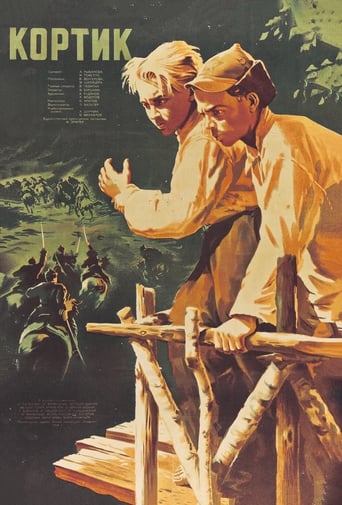
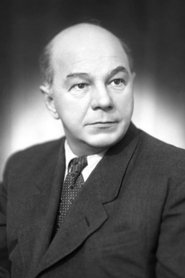
Konstantin Adashevsky
Actor
Born: May 21, 1908 in Saint Petersburg, Russian Empire Died: June 28, 1987 Active: 1928-1987 Birth Name: Konstantin Yuryevich Adashevsky
Films
6 films
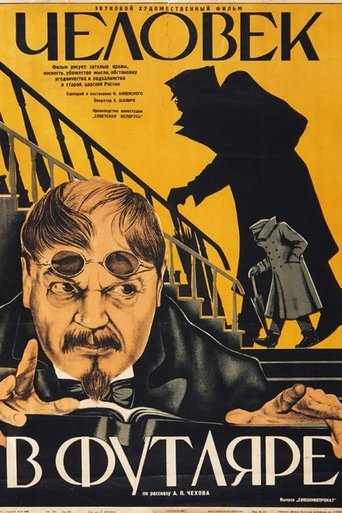
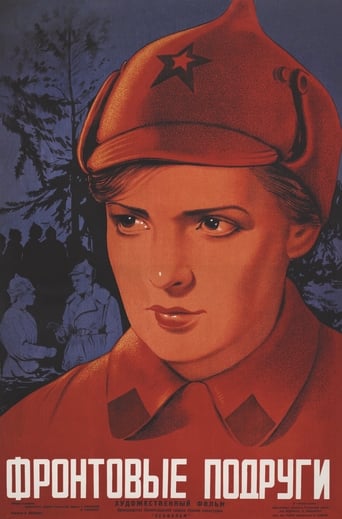
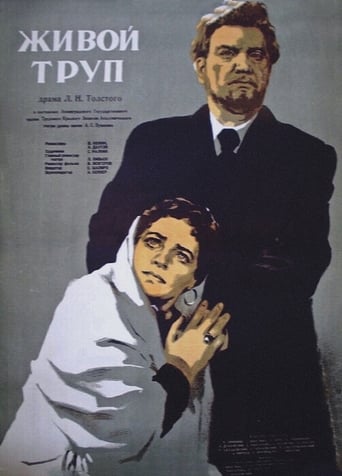
About Konstantin Adashevsky
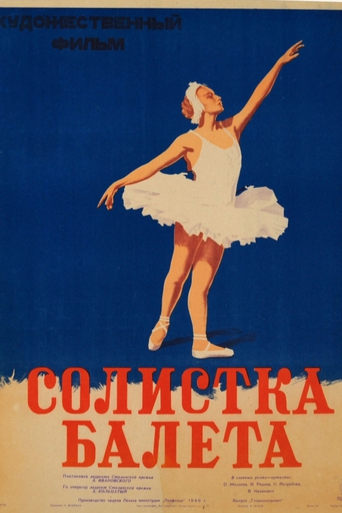
Konstantin Yuryevich Adashevsky — Soviet Russian actor whose over five decades, primarily associated with the Leningrad Comedy Theater. Born into a theatrical family in Saint Petersburg, he developed his craft at the Leningrad Institute of Performing Arts and made his film debut in 1938. Adashevsky quickly established himself as one of the Soviet Union's most versatile character actors, excelling in both dramatic and comedic roles. His film career flourished during the 1940s and 1950s with memorable performances in classics like 'The Girl from Leningrad' and 'Ballerina.' Despite the political pressures of the Stalin era, he maintained his artistic integrity and continued to deliver nuanced performances that resonated with Soviet audiences. Later in his career, he became a respected acting teacher and mentor to younger generations of performers. His contribution to Soviet theater and cinema was officially recognized with the highest honors, including the title of People's Artist of the USSR.
The Craft
On Screen
Adashevsky was known for his remarkable versatility and naturalistic approach to character acting. He possessed the rare ability to seamlessly transition between comedic and dramatic roles, bringing depth and authenticity to every performance. His technique emphasized psychological realism, often using subtle facial expressions and body language to convey complex emotions. He was particularly adept at portraying ordinary Soviet citizens with dignity and humanity, making his characters relatable to mass audiences.
Milestones
- Graduated from Leningrad Institute of Performing Arts (1930)
- Joined Leningrad Comedy Theater (1934)
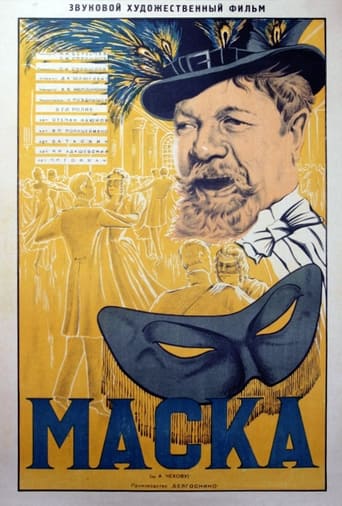
- Film debut in 'The Mask' (1938)
- Awarded People's Artist of the RSFSR (1957)
- Received People's Artist of the USSR (1970)
- Honored Artist of the RSFSR (1946)
Best Known For
Iconic Roles
Must-See Films
Accolades
Won
- People's Artist of the USSR (1970)
- People's Artist of the RSFSR (1957)
- Honored Artist of the RSFSR (1946)
- Order of the Red Banner of Labour (1968)
- Order of the Badge of Honour (1939)
Nominated
- Stalin Prize nomination for acting (1946)
Special Recognition
- Lenin Prize (1982)
- State Prize of the RSFSR (1975)
- Order of Lenin (1978)
- Order of the October Revolution (1983)
Working Relationships
Worked Often With
Studios
Why They Matter
Impact on Culture
Konstantin Adashevsky played a significant role in shaping Soviet cinema and theater during the mid-20th century. His performances helped define the archetype of the Soviet Everyman, characters who embodied the values and struggles of ordinary citizens. Through his work at the Leningrad Comedy Theater, he contributed to the development of a distinctly Soviet theatrical tradition that balanced entertainment with ideological messaging. His films, particularly those made during World War II, served as important morale boosters and cultural touchstones for Soviet audiences. Adashevsky's ability to maintain artistic integrity while working within the constraints of the Soviet system made him a model for subsequent generations of actors.
Lasting Legacy
Adashevsky's legacy endures through his extensive filmography and the generations of actors he influenced through his teaching. He is remembered as. The Leningrad Comedy Theater, where he worked for over 50 years, continues to honor his memory as one of its most artists. His films remain part of the classic Soviet cinema canon and are regularly featured in retrospectives and film studies programs. Adashevsky's approach to character acting influenced the development of method acting techniques in Soviet theater and cinema.
Who They Inspired
Adashevsky influenced Soviet acting through his emphasis on psychological realism and his ability to find humanity in every character. Many prominent Soviet actors, including Oleg Yankovsky and Innokenty Smoktunovsky, cited him as an influence on their work. His teaching at the Leningrad Institute of Performing Arts helped shape the next generation of Soviet performers. His technique of blending comedy with drama became a hallmark of Soviet character acting throughout the 1960s and 1970s.
Off Screen
Adashevsky was deeply devoted to his family and maintained a relatively private personal life despite his public fame. He married fellow actress Maria Ivanovna in 1935, and their marriage lasted until her death in 1979. The couple had one son, Yuri, who later became a theater critic. Adashevsky was known for his modest lifestyle and remained in Leningrad (now St. Petersburg) throughout his life, even when offered opportunities to move to Moscow. He was respected by colleagues for his professionalism and dedication to his craft.
Education
Leningrad Institute of Performing Arts (graduated 1930)
Family
- Maria Ivanovna Adashevskaya (1935-1979)
Did You Know?
- Was one of the few Soviet actors to successfully work in both theater and film throughout his entire career
- Refused to join the Communist Party until 1954, maintaining his artistic independence
- Spent the entire Siege of Leningrad (1941-1944) performing for troops and civilians
- His performance in 'The Girl from Leningrad' was filmed during actual bombing raids on the city
- Was known for his photographic memory and could recall entire plays after a single reading
- Maintained a personal library of over 5,000 books on theater and acting
- Never owned a car, preferring to walk or take public transport throughout his life
- His final film appearance was in 1982, five years before his death
- Was fluent in three languages: Russian, French, and German
- Donated his entire personal archive to the Russian State Library of Arts
In Their Own Words
The actor's greatest responsibility is to find the truth in every character, no matter how small the role
Theater is not a building, it's the relationship between the actor and the audience
Comedy and tragedy are two sides of the same coin - both require absolute honesty from the actor
In every character, no matter how villainous, there must be something the actor can love
The best acting happens when the audience forgets they're watching an actor at all
Frequently Asked Questions
Who was Konstantin Adashevsky?
Renowned Soviet Russian with credits in this catalog. He was particularly associated with the Leningrad Comedy Theater and appeared in classic Soviet films like 'The Girl from Leningrad' and 'Ballerina.' He was honored with the title People's Artist of the USSR, the highest artistic recognition in the Soviet Union.
What films is Konstantin Adashevsky best known for?
Titles linked here include The Girl from Leningrad (1941), Ballerina (1947).
When was Konstantin Adashevsky born and when did he die?
Born May 21, 1908; died June 28, 1987.
What awards did Konstantin Adashevsky win?
Adashevsky received numerous prestigious awards including People's Artist of the USSR (1970), People's Artist of the RSFSR (1957), the Lenin Prize (1982), the State Prize of the RSFSR (1975), and multiple Orders including the Order of Lenin and Order of the Red Banner of Labour.
What was Konstantin Adashevsky's acting style?
Adashevsky was known for his naturalistic, psychologically realistic acting style. He excelled at creating complex, multi-dimensional characters and could seamlessly transition between comedy and drama. His approach emphasized finding the humanity in every role and using subtle techniques rather than overt theatricality.
Where did Konstantin Adashevsky primarily work?
Adashevsky was primarily associated with the Leningrad Comedy Theater, where he worked for over 50 years. He also appeared in films produced by major Soviet studios like Lenfilm and Mosfilm. Despite offers to move to Moscow, he remained loyal to Leningrad throughout his career.
How did Konstantin Adashevsky contribute during World War II?
During the Siege of Leningrad, Adashevsky remained in the city and performed continuously for troops and civilians, helping maintain morale during. His film 'The Girl from Leningrad' was actually filmed during active bombing raids, making it a powerful testament to the city's resilience.